Ecological Performance Criteria
In order to
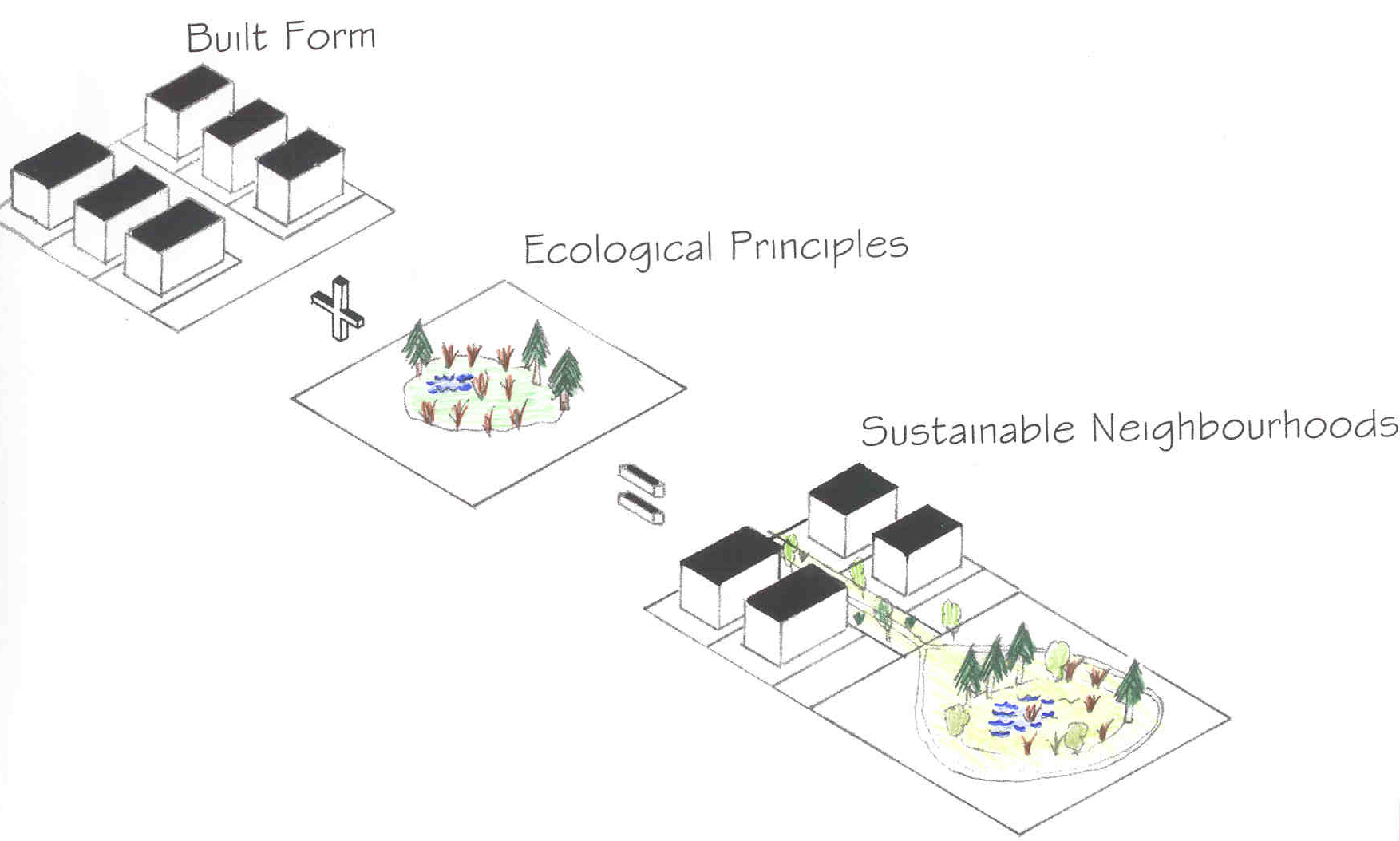
integrate the natural with the built, it is necessary to establish what
performance criteria you are going to use. Based on our analysis
of what was lacking on page 1, we decided upon the 3 following criteria.
Water Movement
There is a
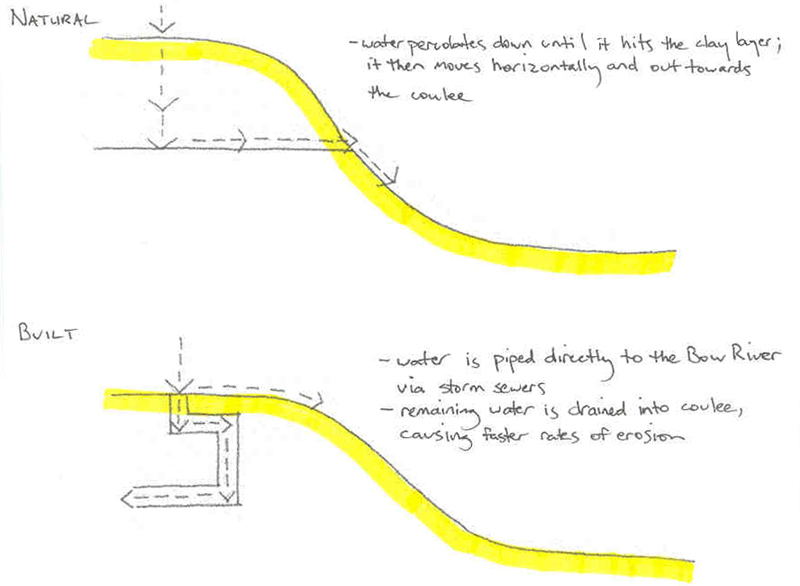
very limited supply of water at the project site. Typically in an
urban setting, water is piped directly away from the site via storm sewers,
limiting the amount of useable water on-site and creating a huge flow at
the end of the pipe (into the Bow River). The design should help
to utilize water on site as much as possible.
Nutrient Cycling
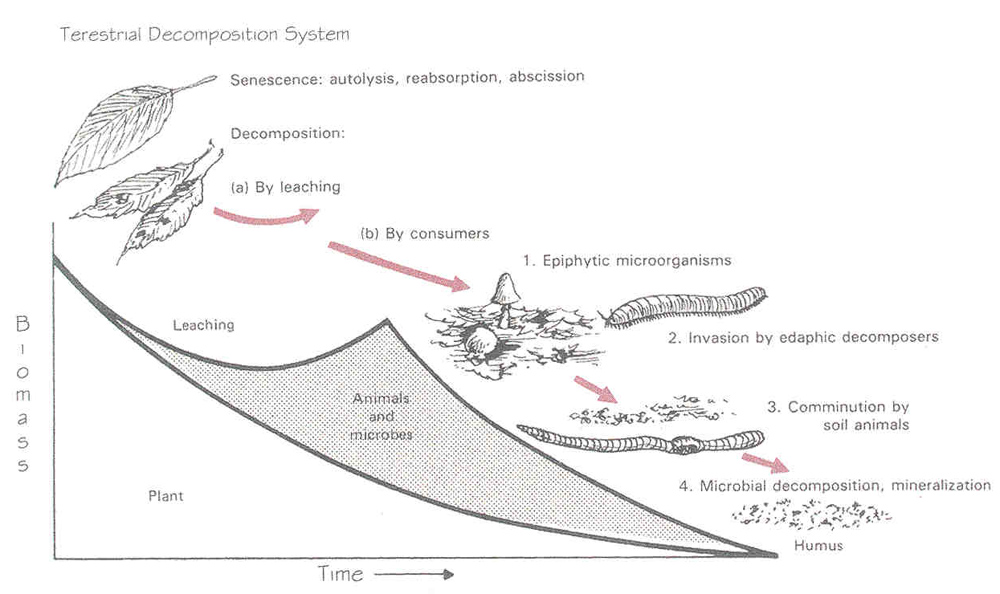
Nutrient cycling
is not allowed to occur in urban situations very often (removal of leaves,
grass clippings, etc.). This makes any plant growth in the area dependent
upon unnatural assistance, such as fertilizers and pesticides. It
is important for the design to allow this nutrient cycling to take place.
Vertical and Horizontal Stratification
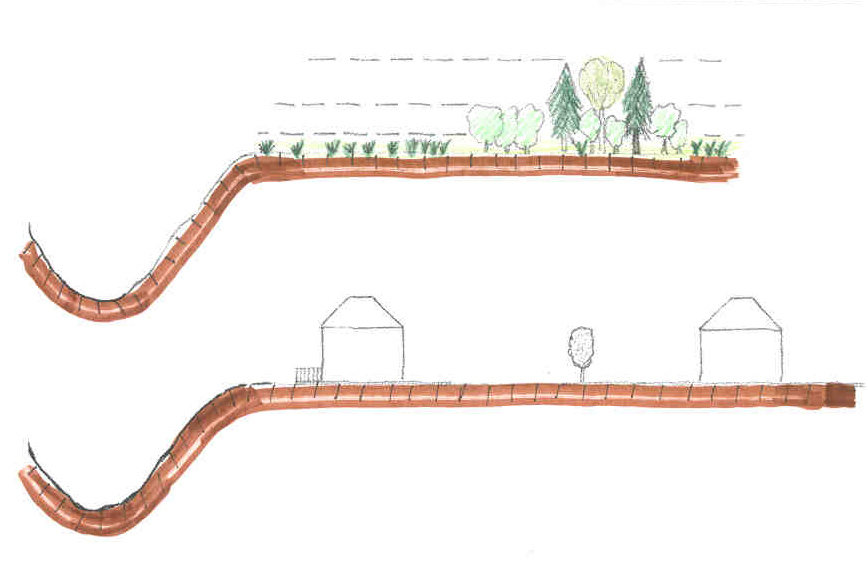
Naturally,
vegetation grows in different layers. This allows for nutrient cycling,
retention of water, provides habitat...the list goes on. Urban vegetation
is only allowed to grow at one layer. Consider the difference between
the undergrowth in a forest, compared with an urban park - highlighted
by trees and fertilized grass, with no in-between layers of vegetation.
The new design should incorporate vertical and horizontal stratification.
Spatial Design Components
Green Entry Points - where do parts of the coulee already enter into the site?
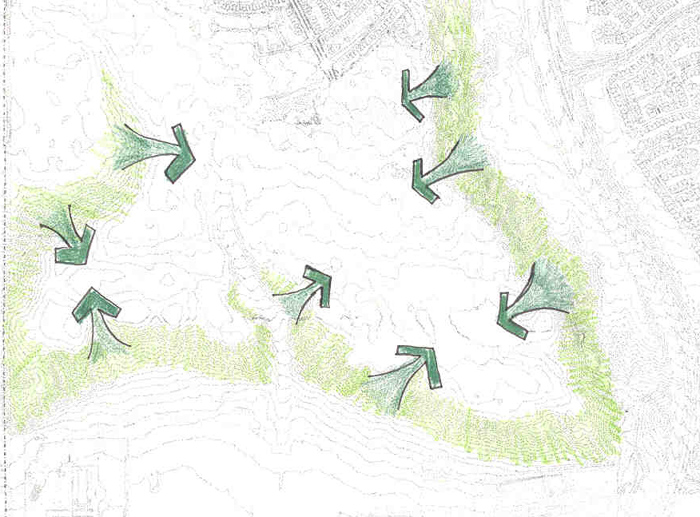
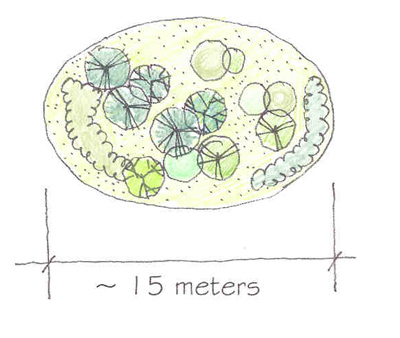
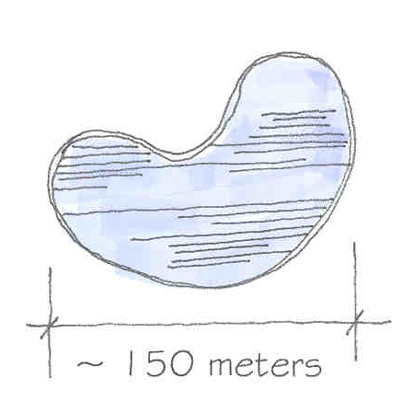
Pond and Patch Dimensions - taken from naturally occurring examples nearby
What will this hopefully accomplish?