Home
Image Processing
Zooming Theory
Computer Vision
New Technologies
Portuguese version
Image Processing


The Image Processing theory allow us to manipulate images in order to improve their quality, to extract information (statistical, morphological, geometric) for human or machine interpretation, to treat their size (compression) or to reconstruct them (noise, interference, distortion).

The idea is to acquire a digital image by video cameras or scanners, after that processing that image using techniques for enhancing contrast, removing noise etc. and finally displaying the result.

The term image refers to a two-dimensional ligth-intensity function, denoted by f(x,y), where x and y are the axis, and the value or amplitude of f gives the intensity of the image at that point.

We can use programming languages as MATLAB, Maple, C/C++ to manipulate matrices.

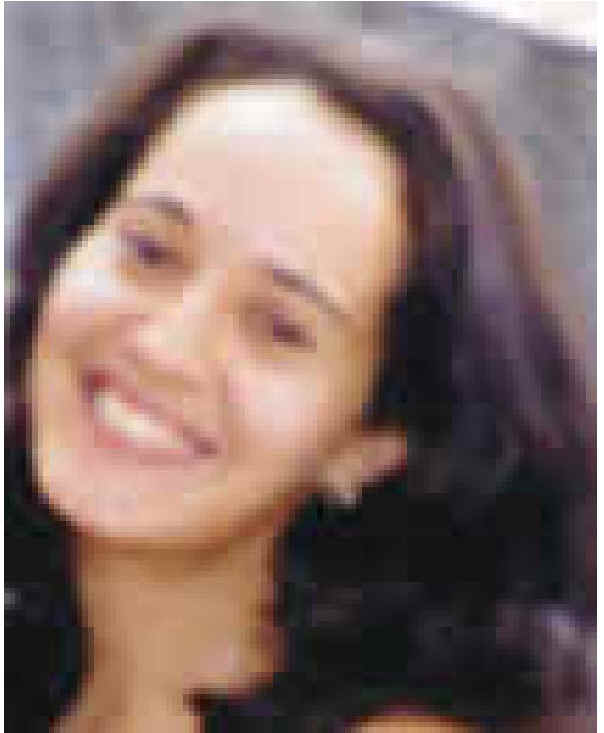
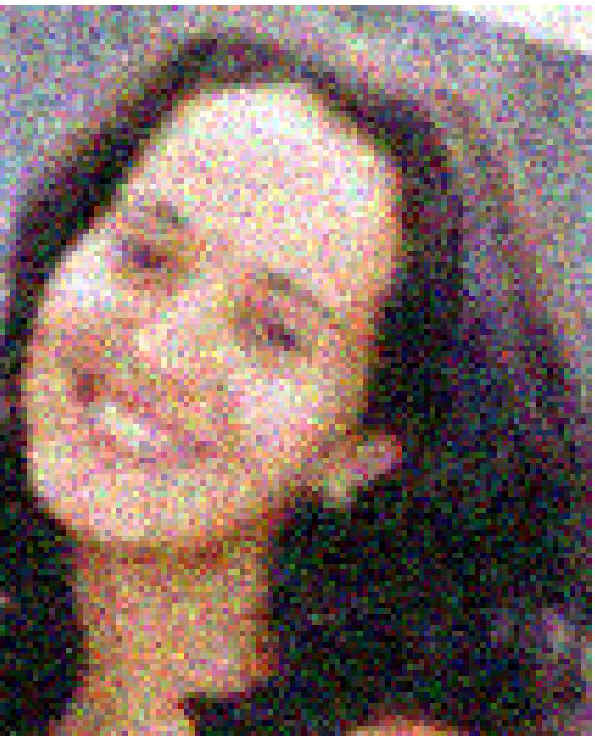
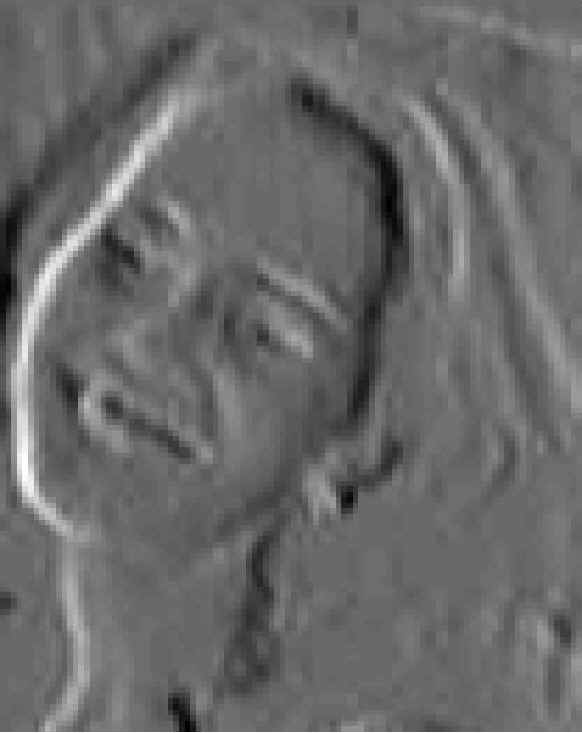
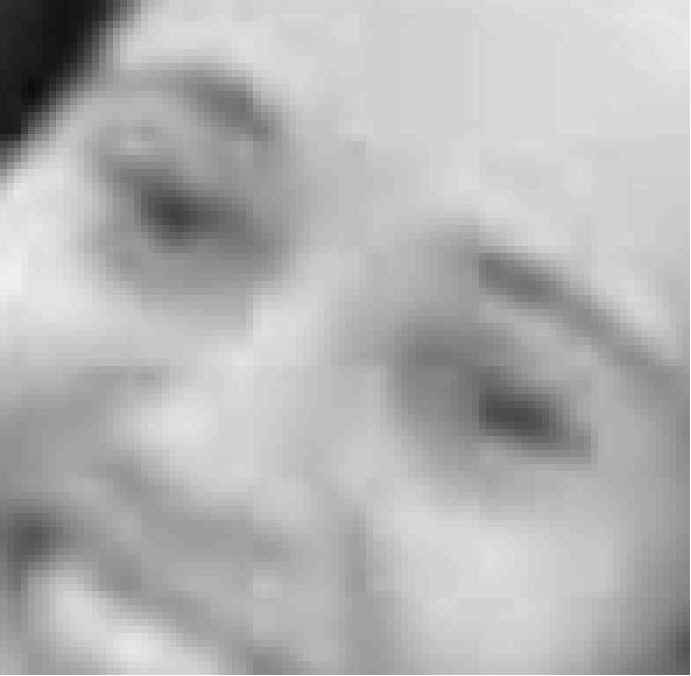
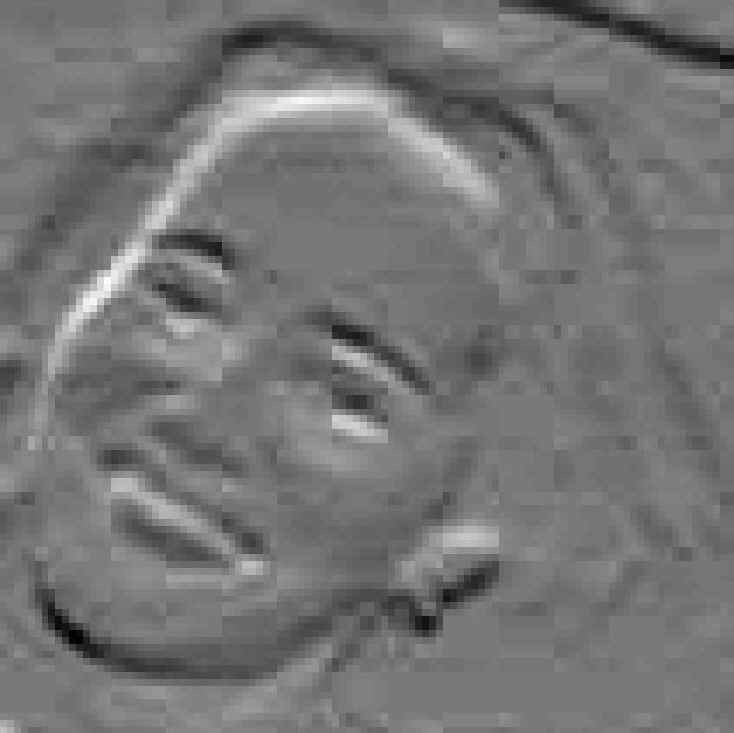
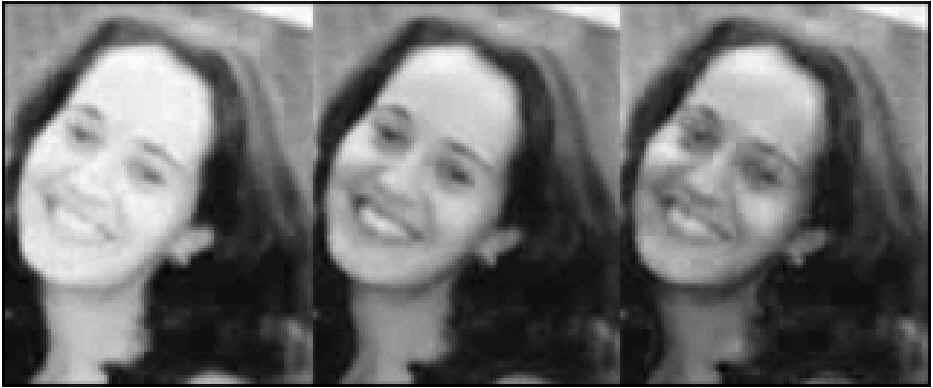
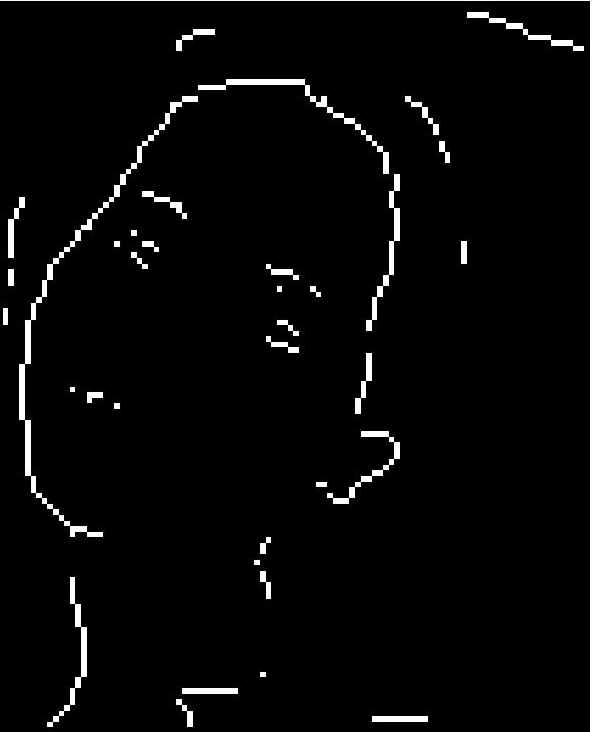
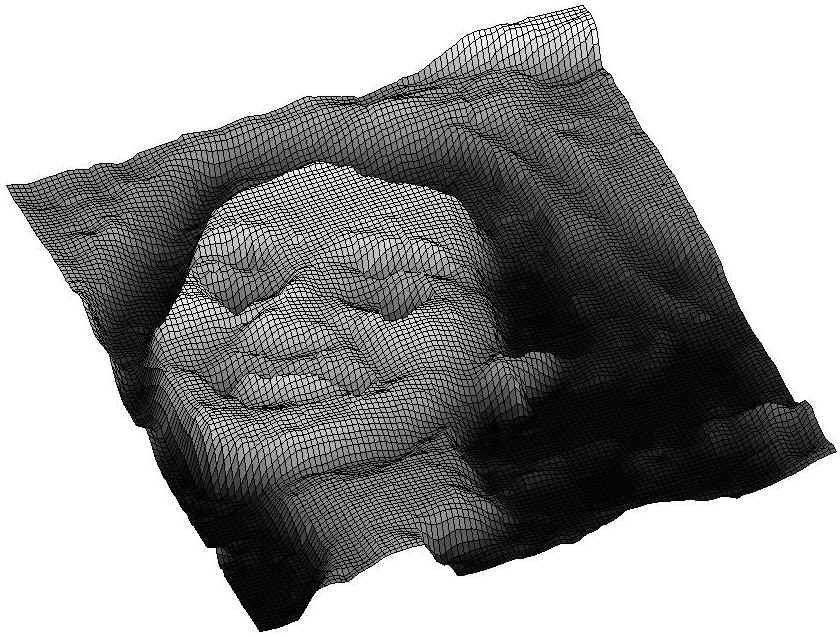
RGBGaussian NoiseSobel Gradient FilterResampling using Cubic InterpolationGradient Magnitude of Sobel FitlerContourContour
Surface (x,y,z)

Links

  • Image Processing
    http://www.efg2.com/Lab/Library/Delphi/Graphics/ImageProcessing.htm 

  • Computer Vision Source Code
    http://www-2.cs.cmu.edu/afs/cs/project/cil/ftp/html/txtv-source.html

    • General Algorithms
      http://www.efg2.com/Lab/Library/ImageProcessing/Algorithms.htm
      #GeneralAlgorithms

    • Programs for image manipulation
      [1http://mystic.imagemagick.org/www/Magick++/
      [2] http://www.ph.tn.tudelft.nl/Courses/FIP/noframes/fip--7.html
      [3] http://www.fh-furtwangen.de/~dersch/
      [4] http://www.algorithms.org/MoinMoin/wiki-moinmoin/moin.cgi/FrontPage
      [5] http://www.gu.edu.au/school/eng/mmt/ImProc.html

Hosted by www.Geocities.ws

1