 |
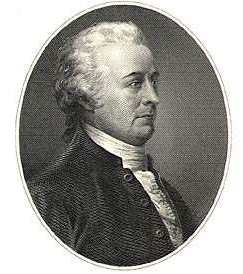
| Chief Justice John Rutledge |
|
| Rutledge Court: |
| Biography: |
| Major Cases: No major cases |
 |
|
|
 |
 |
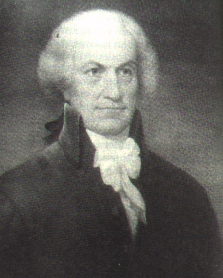 |
| 2nd Chief Justice of the United States Supreme Court |
| Born: September 18, 1739 in Charleston, South Carolina Died: June 21, 1800 in Charleston, South Carolina Education: 1760 Middle Temple London, England Employment: 1760 private practice in Charleston, South Carolina 1761-1776 Member of the South Carolina House of Commons 1764-1765 Attorney General pro tem for the State of South Carolina 1765 member of the Stamp Act Congress 1774-1776 member of the Continental Congress 1776 member of the South Carolina Council of Safety 1776-1778 elected president of the South Carolina General Assembly 1779-1782 elected state governor of South Carolina 1782 Member of the South Carolina House of Representatives 1782-1783 memeber of the Continental Congress 1784-1790 member of the South Carolina House of Representatives 1784-1790 judge of the Chancery Court of South Carolina 1787 delegate to the Constitutional Convention 1788 member of the South Carolina convention to ratify the United States Constitution 1789-1791 appoined Justice to the United States Supreme Court by President Washington 1791 resinged from office 1791-1795 appointed Chief Justice of South Carolina Court of Common Pleas 1795 appointed interim Chief Justice of the United States Supreme Court by President Washington 1795 was not confirmed by the Senate and his position was terminated (Virtualology, 2002) |
| This Chief Justice could bee seen as the shortest live Justice in Supreme Court history. In July President Washington appointed Rutledge as an emergency chief justice or interm chief justice. In December when the Senate was in they decided not to confirm him because of his attacks on Jay�s Treaty. (Encyclopedia, 2002) For the five months that he was in office he either couldn�t get on a court cases because it had already started or he had to leave the Supreme Court in the middle of it because the Senate didn�t confirm his appointment. He was a chief justice regardless of how long he spent in the position and that is why he is included. |