

La Mancha Raptor Banding Station

This raptor banding project enhances Pronatura's autumn raptor migration count in coastal Veracruz, which is home of the world's biggest raptor migration, with about 4.5 million raptors tallied each year.


|
|
|
|
|
|
|
|
|
|
|
|
|
|
|
|
|
|
|
|
|
|
|
|
|
|
|
|
|
|
|
|
|
|
|
|
|
|
|
|
|
|
|
|
|
|
|
|
|
|
|
|
|
|
|
|
|
|
|
|
|
|
|
|
|
|||||||||||||||||||||||||||||||||||||||||||||||||||||||||||||||
| Welcome to La Mancha Raptor Banding Station |
|||||||||||||||||||||||||||||||||||||||||||||||||||||||||||||||
|
|||||||||||||||||||||||||||||||||||||||||||||||||||||||||||||||
|
|||||||||||||||||||||||||||||||||||||||||||||||||||||||||||||||
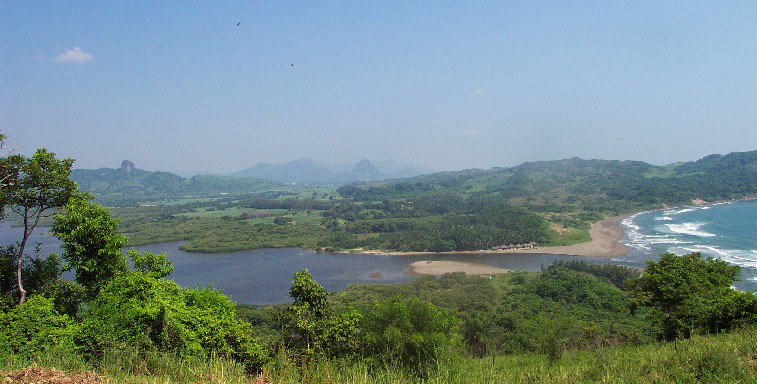
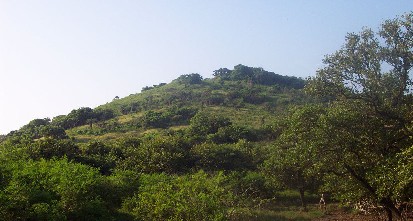
| View to the north from trapping blind at La Mancha | |||||||||||||||||||||||||||||||||||||||||||||||||||||||||||||||
| The La Mancha Raptor Banding Station is a project of Pronatura Veracruz and is part of an annual autumn study of migrating raptors through central Veracruz, México. This raptor banding project enhances Pronatura's autumn raptor migration count in coastal Veracruz, which is home of the world's biggest raptor migration, with about 4.5 million raptors tallied each year. |
|||||||||||||||||||||||||||||||||||||||||||||||||||||||||||||||
| In the autumns of 1998 through 2003 Pronatura Veracruz operated a raptor banding station at La Mancha on the Gulf Coast about 50 km north of Veracruz. We have banded 2332 raptors of 18 species, establishing the site as a productive banding location. | |||||||||||||||||||||||||||||||||||||||||||||||||||||||||||||||
|
|||||||||||||||||||||||||||||||||||||||||||||||||||||||||||||||
| Why we band birds | |||||||||||||||||||||||||||||||||||||||||||||||||||||||||||||||
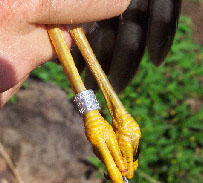
| We band birds in order to gain information about where they travel on migration, where they spend the winter, and where they nest. After we trap the bird, we place a small aluminum band on one leg. We then weigh the bird and measure its wing, tail, and leg. We release the bird within 30 minutes of trapping it, so that it can continue its migration. | |||||||||||||||||||||||||||||||||||||||||||||||||||||||||||||||
|
|||||||||||||||||||||||||||||||||||||||||||||||||||||||||||||||
| If you find a banded bird, whether it's a raptor or any other kind of bird, please report it to your local wildlife agency, or report it directly to the US Fish and Wildlife Service at their website. | |||||||||||||||||||||||||||||||||||||||||||||||||||||||||||||||
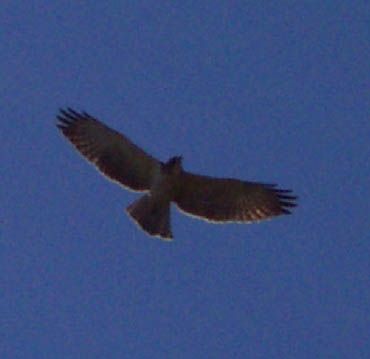
| Short-tailed Hawk | |||||||||||||||||||||||||||||||||||||||||||||||||||||||||||||||
| Science and Conservation | |||||||||||||||||||||||||||||||||||||||||||||||||||||||||||||||
| Banded leg of Sharp-shinned Hawk | |||||||||||||||||||||||||||||||||||||||||||||||||||||||||||||||
| Currently, migration pathways and wintering ranges of many North American migratory raptor are not well understood. However, this information is essential to organizations and goverments making wildlife conservation decisions. Banding migrant raptors is one way to collect this data. Using information from banded raptors found months or years later on wintering or breeding grounds, we will begin to see a pattern of migratory routes, breeding ranges, and wintering ranges used by the various species. Pronatura's goal is to run the La Mancha Raptor Banding Station for several decades in order to provide a solid base of data for use in conservation efforts. | |||||||||||||||||||||||||||||||||||||||||||||||||||||||||||||||
| It is generally necessary to conduct a decade or two of banding before information from a raptor banding station is complete enough for use in conservation decisions. For example, a detailed analysis of morphological measurements, health of the raptors, and future band recoveries, will be only possible after several thousand raptors have been trapped and banded. We have, however, already made some useful observations about the raptors migrating through Veracruz. For example, information about 11 raptors trapped at La Mancha indicate that they originated in the northern United States and southern Canada, east of the Rocky Mountains. | |||||||||||||||||||||||||||||||||||||||||||||||||||||||||||||||
| Why La Mancha is a unique Raptor Banding Station | |||||||||||||||||||||||||||||||||||||||||||||||||||||||||||||||
| La Mancha is the only raptor banding station in Mexico. Most efforts in banding raptors in the Americas is focused on the raptors' breeding grounds or their migration pathways inside the United States and Canada. There are few banding stations operating in Central or South America, where some of the raptors spend twice as much time each year as they spend in the north. | |||||||||||||||||||||||||||||||||||||||||||||||||||||||||||||||
|
|||||||||||||||||||||||||||||||||||||||||||||||||||||||||||||||
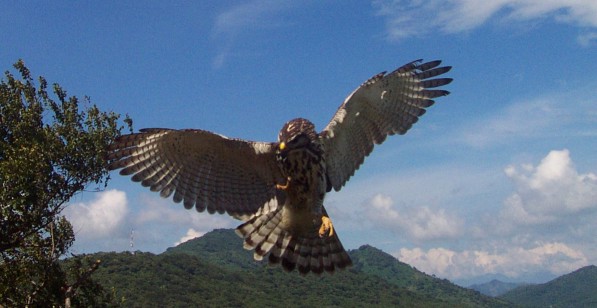
| Gray Hawk. Alexaldo Garcia, 2002 | |||||||||||||||||||||||||||||||||||||||||||||||||||||||||||||||
| That is why banding efforts like La Mancha Raptor Banding Station are so important for the conservation and understanding of wintering raptors in the Americas. In addition, the trapping effort at La Mancha gathers information about resident raptors which are exposed to the same problems and threats as the migrants in this coastal habitat. | |||||||||||||||||||||||||||||||||||||||||||||||||||||||||||||||
|
|||||||||||||||||||||||||||||||||||||||||||||||||||||||||||||||
| The La Mancha Raptor Banding Station also provides access for other researchers to study the migrating raptor. To date, researchers from Mexico, Canada, and the United States have taken blood and feather samples from raptors trapped at La Mancha to study DNA and pesticides. | |||||||||||||||||||||||||||||||||||||||||||||||||||||||||||||||
|
|||||||||||||||||||||||||||||||||||||||||||||||||||||||||||||||
| View of trapping blind at La Mancha | |||||||||||||||||||||||||||||||||||||||||||||||||||||||||||||||
| Peregrine Falcon | |||||||||||||||||||||||||||||||||||||||||||||||||||||||||||||||
| La Mancha: Banding on the beach | |||||||||||||||||||||||||||||||||||||||||||||||||||||||||||||||
| The Raptors | |||||||||||||||||||||||||||||||||||||||||||||||||||||||||||||||
| The People | |||||||||||||||||||||||||||||||||||||||||||||||||||||||||||||||
| Photo Gallery | |||||||||||||||||||||||||||||||||||||||||||||||||||||||||||||||
| Support La Mancha | |||||||||||||||||||||||||||||||||||||||||||||||||||||||||||||||
|
|
|||||||||||||||||||||||||||||||||||||||||||||||||||||||||||||||
| Have comments? please | |||||||||||||||||||||||||||||||||||||||||||||||||||||||||||||||
|
|||||||||||||||||||||||||||||||||||||||||||||||||||||||||||||||
| All contents in this website are property of Pronatura A. C. and must not be used without proper permission. Text by Eduardo Martinez and Karen Scheuermann, all art by Eduardo Martinez except when specified. 2003 | |||||||||||||||||||||||||||||||||||||||||||||||||||||||||||||||