 |
|
|
|
|
|
|
|
|
|
|
|
|
|
|
|
|
|
|
|
|
|
|
|
|
|
|
|
|
|
La Mancha: Banding on the beach |
|
|
|
 |
|
|
|
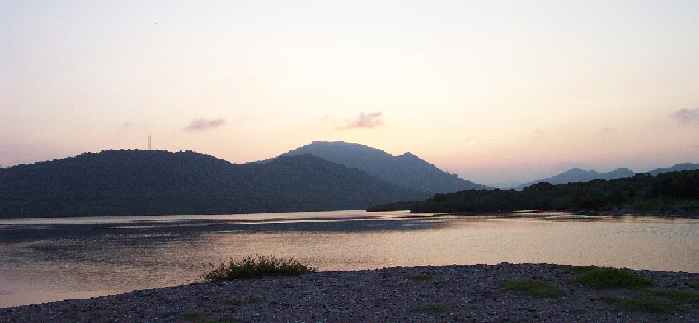
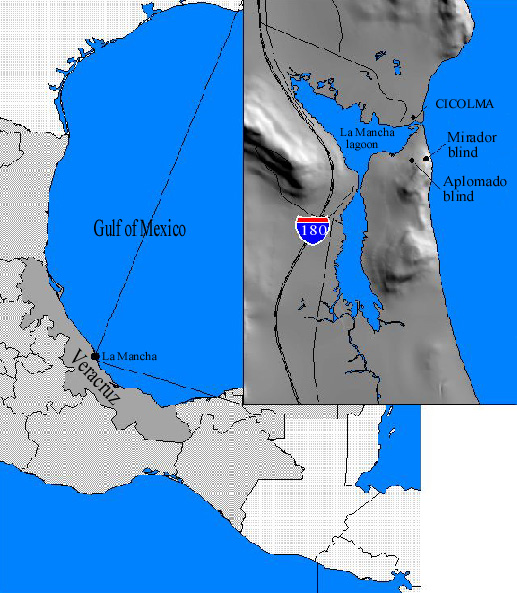
The La Mancha Raptor Banding Station is located on a seaside hill on the southeast side of the La Mancha lagoon, about 50 km north of Veracruz City, where the Sierra de Manuel Días reach the coast of the Gulf of Mexico. The latitude and longitude are 96° 22' west, 19° 36' north. |
|
|
|
As the migrating raptors fly south, they encounter increasingly narrow coastal plains between the Sierra and the sea. In the vicinity of La Mancha, this "bottle neck" between the hill and the sea forces the birds migrating south to fly in big numbers through this relatively narrow space. |
|
|
|
Although the raptor migration at La Mancha is large, it is a small percentage of the 4.5 million raptors that Pronatura counts each season at their main count stations 30 km to the south west at Cardel and Chichicaxtle. And raptors are not the only migrants passing through La Mancha. The passerine, swallow, and waterbird flights at La Mancha are very impressive and some days the sky is filled with millions of migrating butterflies and dragonflies. |
|
|
|
 |
|
|
|
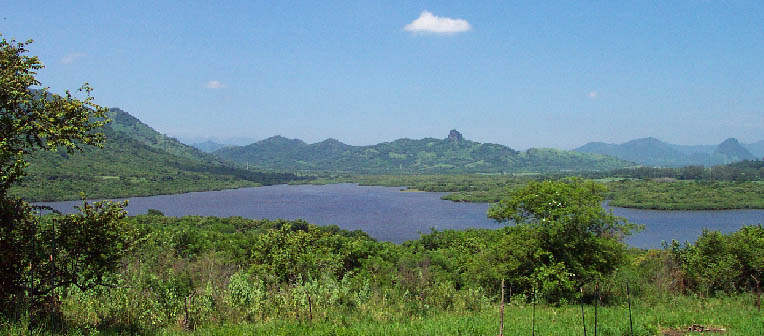
The La Mancha lagoon is part of a federal reserve of about 70 hectares of low forest, mangroves, wetlands, dunes and crop fields. And if we add the fresh water lagoon, and the sandy beach, we have a wonderful landscape for all kind of birds, including raptors, water birds, and passerines. |
|
|
|
|
|
The La Mancha Coastal Research Center (CICOLMA), is also located at the La Mancha lagoon. CICOLMA is managed by the Institute of Ecology and is an excellent center for field researchers studying everything from the mangroves to the ants, to the sea turtles. CICOLMA also provides lodging for the La Mancha raptor banding crew. |
|
|
|
|
|
The La Mancha lagoon is also a recreational place, with beautiful beaches of white and fine sands, and rustic seafood restaurants called "palapas" at the mouth of the lagoon. The palapas are part of a management plan of natural resources between the Institute of Ecology and a local cooperative of fishermen. |
|
|
|
 |
|
|
|
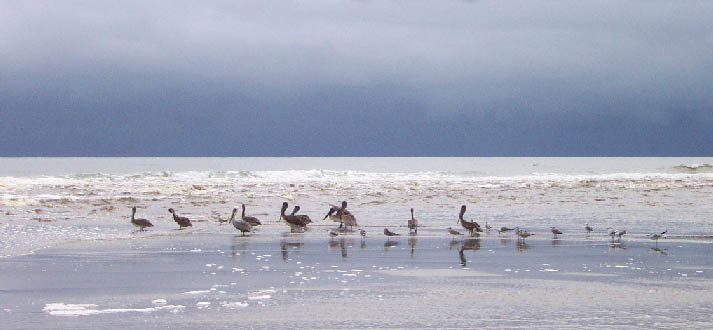
Brown Pelicans and Laughing Gulls at La Mancha |
|
|
|
If you come to La Mancha, you can enjoy (besides the excitement of birding) wonderful sunny days, fresh and tasteful "mariscos", and the warm people and waters of coastal Veracruz. Also, a strong plus when visiting is the presence of some beautiful precolombian ruins near La Mancha, and the awesome capital city of the ancient Totonaca culture, El Tajín, about two and half hours driving north. Of course, you will have to pass through some annoying mosquitoes and other bugs, and also some rainy and windy days, but believe me, it all will prove to be worthwhile. |
|
|
|
 |
|
|
|
If you would like to visit La Mancha |
|
|
|
The La Mancha Raptor Banding Station is a working research center, and our highest priority is to gather information about migrating raptors. We welcome visitors, but must have advance notice before visitors arrive. If you are interested in visiting the La Mancha Raptor Banding Station, please contact Bob Straub at Pronatura Veracruz. |
|
|
|
Pronatura asks for a small donation per day from visitors to the trapping blinds. With advance notice, we can also make arrangements for lodging either at the La Mancha Research Station, or in the nearby town of Cardel. |
|
|
|
We invite interested travelers to visit us and see the raptor migration up close! |
|
|
|
Back to main page |
|