Intermountain:
The Pomo
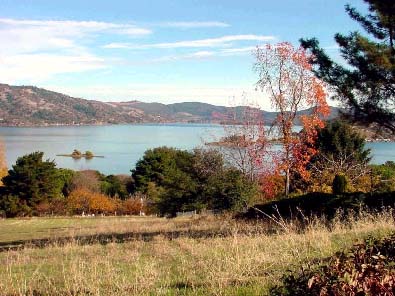
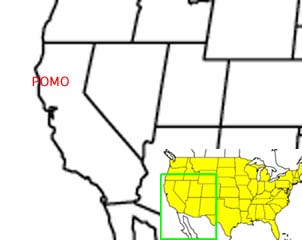
Geography: Location and Environment
|
Intermountain: The Pomo Geography: Location and Environment |
|
Science Plants: There are many tall forests in northern California. The most used plant is the acorn, the fruit of the oak tree. Wild plant foods can be found there including berries, nuts, seeds, greens, roots, bulbs and tubers. Animals: There were many small mammals, fowls, and fish. There were deer, and rabbits. Waterfowl such as ducks, geese, swans and other birds migrated from the North. The lakes, rivers and the sea had clams, oysters, mussels, abalones, scallops, seals and sea otters. Insects included grubs and caterpillars, grasshoppers, and aphids.
|
|
|
Basic Needs: |
|
Other: The Pomo are known for their native basketry. Men and women make baskets.
Literature - To understand more of the culture of the Pomo people read an original story by clicking on the following site.
The Pomo Today:
Men: Because of the warm climate men wore little clothing or they wore simple animal-skin or bark breechcloths.
Women wore fringed aprons in the front and back made from animal skins or shredded willow bark.
For more information on clothes:
Regional Overview of Native American Clothing and Regalia
Map of North America with Native American Varieties of Moccasins
NATIVE AMERICAN CLOTHING Overview of Footwear: Moccasins
NATIVE AMERICAN CLOTHING Leather Bags and Pouches
Tanning Deer Hides and Small Fur Skins
Shelters:
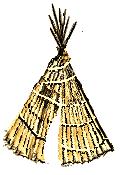
The Pomos made two different kinds of houses. The Pomos who lived along the Pacific Coast built cone shaped structures about 8 feet in diameter at the base. It was constructed from a center poles that was covered with piles of redwood bark large enough for one family.
The Pomos who lived some distance inland starting about 50 miles north of San Francisco Bay built another type of house. Their small villages were located as far as Clear Lake and along the Russian River. The land in Northern California received a greater amount of rain than Southern California. The Clear Lake and Russian River Pomos built wood plank pole-framed and thatched-covered rectangular structures that housed several families.
Site for Literature:
POMO (CALIFORNIA) sites
2000 Population
In the 1990 US census there were 53,000 Pomos living in the United States.
All of the Pomos do no not live on reservations.
Pinoleville.org
Encyclopedia Britannica: Pomo