sio.jpg
Plains:
The Lakota Sioux

Geography: Location and Environment
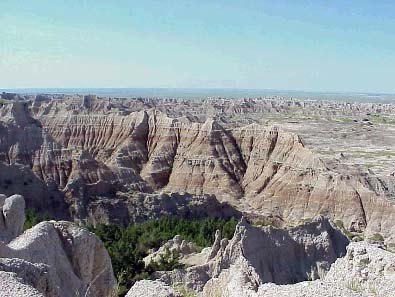
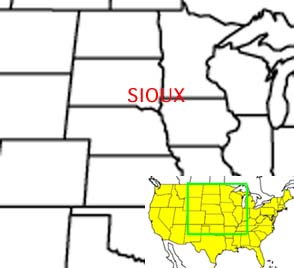
The plains cover an area from the Mississippi River to the Rocky Mountains and from Canada to Texas. The Black Hills are over one hundred miles from north to south.

The People:
The Sioux have 3 groups or divisions, the Western division Teton (Lakota), the Middle division -Yankton (Nakota), and the Eastern division Santee (Dakota).
The Teton or Lakota of Western Dakota settled near the Black Hills of South Dakota after they left their old homeland near the Great Lakes (Minnesota). They left a land of woodland hunting and gathering to live a life of roaming for buffalo.
Science
Plants:
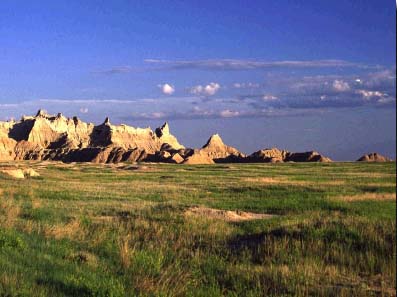
Most of the area is grassland with no trees. There are two types of grassland here. One is near the Mississippi Valley called the prairie. The grass is tall because there is more rain. The other area that has less rain and shorter grass is called the Great Plains. The plains and prairies sometimes have a few willows and cottonwoods along the rivers. There are also some mountains, hills and plateaus that have pine trees, but most of the land in the plains is grassland.
Seeds, wild fruits (cherries, berries and plums) and vegetables such as potatoes and prairie turnips are found here.

bad2.jpg

Animals:
Antelope, Deer, elk and bear, wolves, coyotes and rabbits were in the forest. Wild turkeys and hens were eaten also. Buffalo or bison fed on the tall grass prairie. Dogs were used to carry or pull loads and also for protection.

Basic Needs:
Foods:
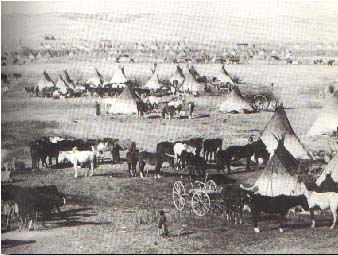
The Lakota followed the migrating herds of buffalos most of the year. Plains Indians hunted buffalo. They spent the winters in the sheltered canyons. Each spring they moved to the prairie to live in tipis. Most of the food came from buffalo meat. The rest of the animal (the bones, hides and horns.) was used for tipi covers, clothing, tools and utensils. To catch the buffalo they drove them over cliffs or surrounded them with grass fires. They later rode on horsed and shot them with an arrow. Buffalo meat was cut into thin strips and hung on frames to dry. It was called jerky. It could be pounded into a powder called pemmican.

camp.jpg

Clothes:
Men:
wore buckskins breechcloths. Men wore feathered headdresses at special times to show they had performed a brave deed. Women wore one piece belted dresses and moccasins.
Clothes for cold temperatures: When the weather turned cold the Sioux added leggings and buffalo robes.

For more information on clothes:
Plains Region: REGIONAL OVERVIEW OF NATIVE AMERICAN CLOTHING STYLES
Clothing: Truth and fiction in frontier clothing
Plains Region Overview of Footwear; Moccasins
Regional Overview of Native American Clothing and Regalia
Map of North America with Native American Varieties of Moccasins
NATIVE AMERICAN CLOTHING Overview of Footwear: Moccasins
NATIVE AMERICAN CLOTHING Leather Bags and Pouches
Tanning Deer Hides and Small Fur Skins

Shelters:
The Lakota spent the winters in the sheltered canyons. During the spring the Sioux moved to the plains to live in skin-covered tipis (also spelled teepee). Tipis are cone shaped dwellings, made of skins of animals or cloth wrapped around a wooden frame. Tipis can also be moved and set up in another area. To see the inside of a tipi click here.
For more information on Shelters:
Tipi of Dakota
Tipi of Dakota

Transportation: The Spanish brought horses to North America in the 1500s. The horse arrived in the plains in the early 1700s. The Sioux learned how to use the horse to help them have a better life. For more information on Transportation:

Literature - To understand more of the culture of the Sioux people read an original story by clicking on the following site.
Sites for Literature:
Origin of the Lakota Peace Pipe
Lakota Mythology: Cetan-maza (Iron Hawk: Oglala Culture Hero)

bad.jpg
The Sioux Today
2000 Population
In the 1990 US census there were 107,321 Sioux living in the United States.
A few Sioux live in Canada
Of these 107,321 Sioux there are about 59,000 Lakota that live on one of 6 Reservations and hold jobs in US cities.

Social Studies- Reservation Locations Descendants of the Lakota live on several small reservations in South Dakota. The Largest Lakota population lives on the Pine Ridge Reservation in South Dakota. There are 23,000 Oglala on the Pine Ridge Reservation.
The Sioux live in North and South Dakota, Nebraska, Montana and on a small reservation in Minnesota.
All of the Sioux do no not live on reservations.

Site for school on a reservation or in the area that has Native American Students:
Lakota Local School District

For more information on the Sioux:
A Guide to the Great Sioux Nation
Lakota na Dakota Wowapi Oti Kin Lakota Dakota Information Home Page
Rosebud Sioux Tribe
SD tribes and reservations
Links to Sioux webpages
CHEYENNE RIVER SIOUX TRIBE GEOGRAPHICAL INFORMATION
History & Culture of the Sisseton-Wahpeton Sioux Tribe.
Sioux
Buechel Memorial Lakota Museum
GREAT SIOUX NATION PICTURE GALLERY
Landmarks and Legends

Return Me to the First Page What is Culture?
Native American Early History Native American Contributions
I want to take Quiz 1 I want to take Quiz 2
I want to take Quiz 3 Dictionary
References and
More Information

Hosted by www.Geocities.ws

1