The Chinook
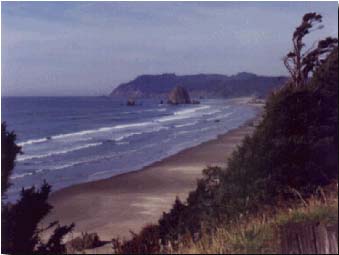
Geography: Location and Environment
|
The Chinook Geography: Location and Environment |
|
Warm ocean currents (called Chinook winds) from the west created mild yearlong temperatures. It was a land of heavy rainfall along the northern Pacific coast.
Science
|
|
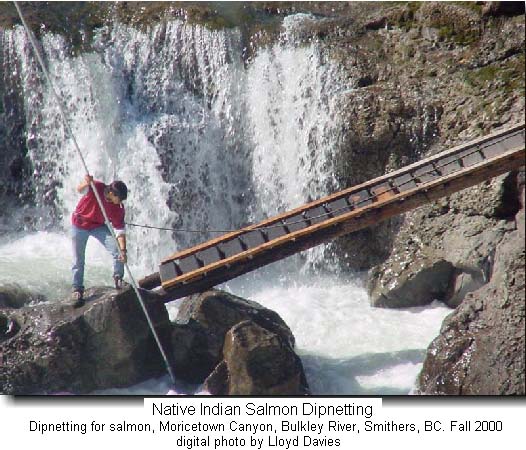
| Animals: The oceans and the rivers were rich with fish. The area had several varieties of salmon, trout, halibut, cod, sole, and herring, plus other fish. The ocean had otters, sea lions, and seals along the coast. The sand had shellfish. Inland there were mammals such as rabbit, goats, sheep, elk, bear, and deer. There were also birds.
Basic Needs:
|
|
Clothes:
For more information on clothes:
Literature - To understand more of the culture of the Chinook people read an original story by clicking on the following site.
The Chinook Today
Men: Because of the warm climate men wore little clothing. When hunting the men wore skin moccasins and leggings.
Women wore grass and bark. They had fringe skirts and raincoats made from the inner bark of the cedar.
Men and women both wore blankets of rabbit skin or dog hair, cedar-bark hat and rain capes. The Chinook developed the use of bark fibers and mountain-goat wool to make clothing and blankets.
REGIONAL OVERVIEW OF NATIVE AMERICAN CLOTHING STYLES
: California, Northwest Coast and Sub-Arctic Regions
Regional Overview of Native American Clothing and Regalia
Map of North America with Native American Varieties of Moccasins
NATIVE AMERICAN CLOTHING Overview of Footwear: Moccasins
NATIVE AMERICAN CLOTHING Leather Bags and Pouches
Tanning Deer Hides and Small Fur Skins
Transportation:
The woods of the forests were used to make large cedar dugout canoes for river travel.
Shelters:
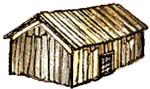
The Chinook lived in plank houses - These are large, rectangular houses of cedar planks. The giant red cedar was very easy to cut. Plank houses are gable-roofed houses framed with posts and covered with cedar planks. They placed them partly underground over pits. When traveling they built temporary mat shelters.
Site for Literature:
The Legend of the Chinook Indians
2000 Population
The 2,000 member Chinook tribe lives south of Seattle, in Washington State.
This is a recent article:
US recognizes Chinook tribe.
The 2,000 members of the tribe will now be eligible for more government money and the chance to apply for reservation lands near their traditional home.
All of the Chinook do no not live on reservations.
Britannica.com: Chinook
A Book called: Naked Against the Rain: Chinook Indians