 |
 |
| The Geography and scenery of Kurdistan |
 |
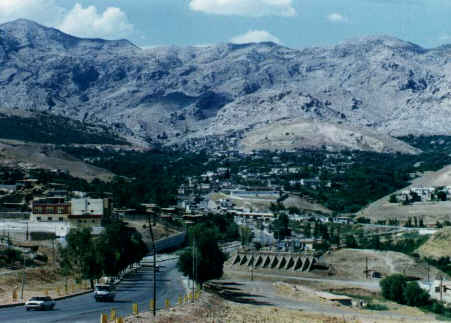
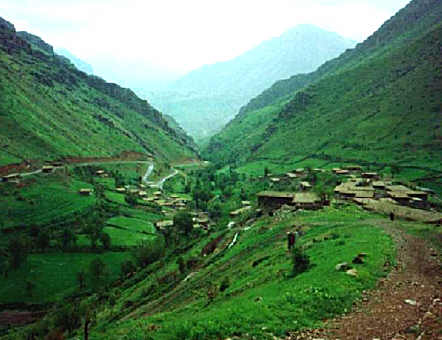
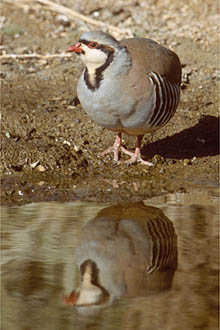
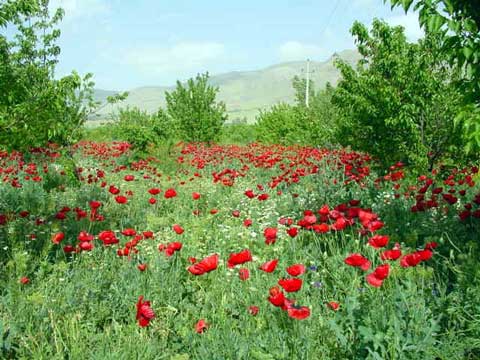
| The Kurdish areas consist of approximately 200,000 square miles. Kurdistan is defined as areas in which the Kurds are the ethnic majority of the region. The land borders in Turkey, Syria, Iran, Iraq and Armenia. The most prominent feature of Kurdistan is the vast mountainous region in which it is contained. Kurdistan is composed mainly of the Central & Northern Zagros, the eastern two thirds of the Taurus and Pontus and the Northern half of the Amanus Mountains. The mountains of Kurdistan are synonomous with the Kurds. They are what have, for thousands of years made the Kurdish people, history and culture what it is today. The climate of Kurdistan varies with elevation levels. Higher elevations being cooler and lower levels warmer and drier. Winters in the northern regions are very cold and snowy. The colders regions of Northern Kurdistan are in Anatolia, with temperatures well below the freezing level. The winter seasons being colder tha Ancorage Alaska and having snow up to 7 months a year. The more pleasant areas are in Southern Kurdistan. The mean annual temperatures ranging from 10-15 degrees celsius or 48-57 degrees farenheit. These regions can see snow for up to 4 months a year. The warmest zone has temperatures ranging from 15-20 degrees celsius or 57-65 degrees farenheit. This area is all of Syrian Kurdistan and half of central Kurdistan in Iraq. 15% of Kurdistan is located in this "warm" zone. These regions can expect up to 2 months of snow. In contrast to most other parts of the Middle East, precipitation in Kurdistan can be expected regularily and it is plentiful. Winter and spring are the peak seasons for precipitation. Most precipitation falls in the form of snow. The average accumulation annually is 50- 80 inches in the higher elevations and 20- 40 inches in the lower levels. Kurdistan is home to many different animal life and vegetation. Trees like: Oak, Dwarf Oak, Juniper, Chestnut, Pine, Cedar and wild fruit trees are in exsistance today. Oak and Dwarf Oak being the most common trees in the Zagros forests of today. In the Oak forests you can find an abundance of prized fungi including Truffles, which are considered food of the poor in Kurdistan. Also found are wild nuts, fruits and berries like: grapes, cherries, pears, quince, mullberries, blackberries, hazelnuts, walnuts and almonds. Kurdistan is also home to many luxurious flowers including: Tulips, Hyacinths, Gladioli and Daffodils. There are medicinals hebs like: Valerian and Cowslip. Several animal species live in Kurdistan's forests as well. Some of these include: black bears, brown bears, wolves, hyenas, boars, foxes, beavers, jackals, cheetahs & leopards. Migratory and resident birds include: eagles, larks, bluebirds quail and partridge. Reptiles include: turtles, lizards and snakes. There are freshwater fish such as: carp,and trout and 40 different cave fish including blind fish are found locally. Ancient Kurdistan may have included elephants, ostriches, tigers and lions. |
 |
 |

|
   |