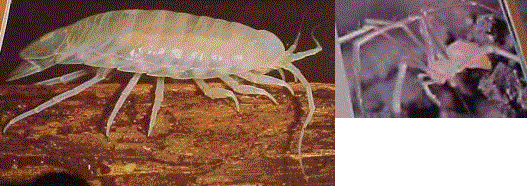
Left: This inch-long troglobitic isopod is a
marine relict inhabiting Mexican caves along a former seacoast. Its possible ancestors were ocean-dwellings which invaded fresh-water caves when the ancient coastline
retreated. Right: A predatory white
spider prowls through the dark interior of a cavern on the Edwards Plateau.
Troglobitic spiders usually stalk their prey instead of engaging in the
energy-consuming practice of spinning webs.
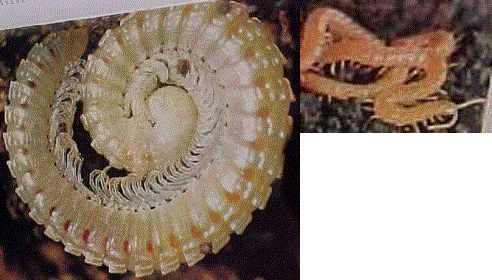
Left: Blind but mysteriously sensitive to
light, a cave-dwelling millipede curls helplessly in the glare of a flashlight
beam. As it becomes more fully adapted to life in the cave over the years, it
may lose even this feeble response to the intrusion of light into its nighttime
world.
Right: At a length of three and a half
inches, this cave-dwelling centipede is a giant of its kind; most of its kin
average about two inches in length. Eyeless centipedes inhabit many Texas
caves, but they are rarely abundant.
Page 5.
Useful Links:
Research on Intelligent Design
Tasters of the Word (YouTube), videos recientes: "Astronomía y Nacimiento de Jesucristo: Once de Septiembre Año Tres A.C.", "Estudio sobre Sanidades" (en 20 episodios), "Jesus Christ, Son or God?":
Tasters of the Word (the blog, with: "Astronomy and the Birth of Jesus Christ"):