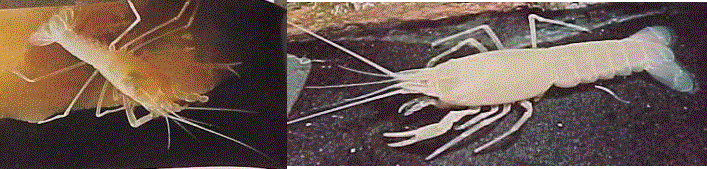
Left: Spidery Troglocambarus
habitually clings to the undersides of ledges and floating sticks. Never more
than an inch and a half long, this translucent featherweight can even hang from
the water-surface film. The “hairy” legs extended beneath its head are actually
oversized feeding appendages. Right: Troglocambarus
waxy three- to four-inch-long relative Procambarus, like most crayfish,
spends its life creeping slowly across the bottom of pools. Notice its
relatively small feeding appendages.
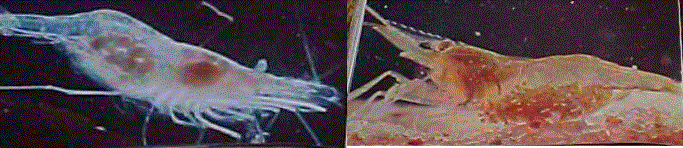
This two fresh-water shrimp illustrate a common
adaptation of cave animals. The cave species (left) lays only a few
large-yolked eggs at a time. Thus the young cave shrimp will be relatively well
developed when they have to find food for themselves. The surface species (right)
lays many small eggs. Once deposited, the incubating eggs are attached beneath
the mother´s body.
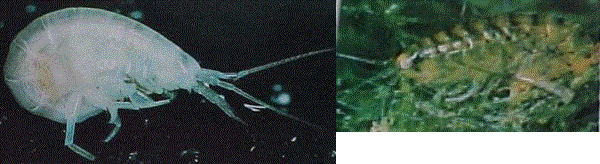
Two closely related Texas amphipods, a blind
white cave dweller (left) and an eyed surface dweller (right), are each about a
quarter of an inch long. Floods carry surface amphipods over wide areas, but
cave amphipods tend to be restricted to single cave systems.
Page 4.
Useful Links:
Research on Intelligent Design
Tasters of the Word (YouTube), videos recientes: "Astronomía y Nacimiento de Jesucristo: Once de Septiembre Año Tres A.C.", "Estudio sobre Sanidades" (en 20 episodios), "Jesus Christ, Son or God?":
Tasters of the Word (the blog, with: "Astronomy and the Birth of Jesus Christ"):