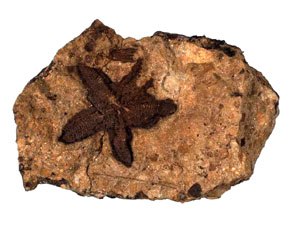
Invertebrate- An animal that does not have a backbone.
Groups of invertebrates
For information about any group, just click on it!
Sponges: The body of a sponge is covered with interconnecting tiny pores; this gives this phylum its name, porifera. Sponges are asymmetrical and have very primitive tissues. Many sponges reproduce asexually which means they produce both eggs and sperm to reproduce. This also classifies them as hermaphrodites.
Cnidaria: This phylum of water-dwelling invertebrates are radially symetrical and have two distinct cell layers. Thie phylum consists of two body forms, polyp and medusa.
>WORMS< Worms are long invertebrates that split up into many different classes and forms. All of the worms have somewhat the same body form but are all different looking. Worms produce sexually as opposed to asexually.
Mollusks come in many different forms, and are grouped into three classes:
Gastropoda- This is the largest class in the Mollusk phylum, infact there are over 35,000 species of gastropods. To break it down, basically this class consists of slugs and snails. Some of these species live on land. However most live in the water.Pelecypoda- These mollusks have two shells, or valves. Because of this they are called bivalves. They are born with this trait to protect them from predators. Species such as oysters, clams, scallops, and mussels belong to this class.
Cephalopoda= This class mainly consists of squids and octopuses.
ECHINODERMS- In this phylum there are over 5000 species and all of them live in water, including species such as the starfish, sea urchins, sea cucumbers, sand dollars, and many more. The class asterodia is also known as the starfish or seastars. These sea creatures have five thick arms that extend from a platelike body. They usually move by using their feet, and live off of the resources of the water.
ARTHROPODS - This is the largest phylum, containing over 800,000 species and making up almost 80% of the animal kingdom. Their common characteristics are an exoskeleton and jointed appendages.
For information about any group, just click on it!
For information about animals with backbones, click HERE
Return to top To New Trier Home Page To Living Things Home Page E-mail: [email protected]