| Page 2 |
 |
 |

|
 |
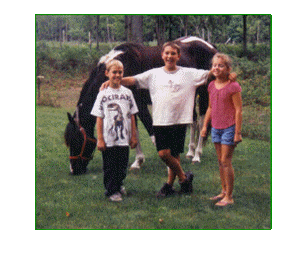
| Above: Beauty and kids in our back yard. Learn more on MFT Horse's on MFT page and other links for MFT Horse's |
 |
| DID YOU KNOW? The first Shetland Sheepdog registered by the American Kennel Club (1911) was Lord Scott, a sable imprted from Shtland, Scotland by John G. Shermand, Jr. of NewYork. The American Shetland Sheepdog Association, parent club of the breed, was organized at the Westminster Kennel Club show in 1929, and held its first specialty in 1933. |
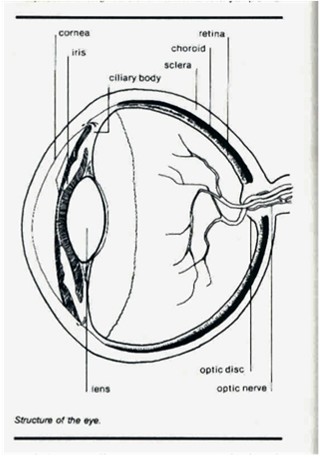
| information below is taken from Sheltie Talk book, please see book for more details. EYE DEFECTS Eye defects, which have plagued Collie breeders for years, are also present in Shetland Sheepdogs. Although veterinarians report that the incidence of eye anomalies in Shelties effects only a small percent of the total Sheltie population, there is always reason to be sure of what you are breeding. Sheltie Eye Syndrome SES describes condition in which there is no reflective material on the fundus, or material is partially damaged, or optic nerve is underdeveloped. SES can usually be detected in a five to six week old puppy. SES is not progressive , so a dog certifies normal at eight weeks can be expected to remain free of this defect. SES and Inheritance It is usually believed to be controlled by a single recessive gene. So it can be carried by 2 normal eye parents and if both have this gene it can produce pups with the SES. So Sheltie breeders need to look hard at what is being bred and need to have an Ophthamologist check parents, but also need to have a eye checkup done on pups to know if parents carry the SES recessive gene. Being recessive means both parents have to have the gene to produce SES. When eye checks are done the eye needs to be dialated by an Ophthamologist, which is not a regular vet. Ask your breeder to show your their eye check papers done on their dogs. This is a special paper that just has information on the Sheltie Eye, either normal eye or effected eye. A puppy check-up by a Veterinarian can tell if a retina is detatched but cannot tell SES. The dogs eye needs to be dialated and examined by an Ophthamologist. Progressive Retinal Atrophy Two hereditary retinal atrophohies have been identified, One is Progressive Retinal Atrophy or referred to as PRA, and the other is Central Progressive Retinal Atrophy or CPRA, Both diseases are progressive and eventually result in blindness. PRA usually comes on between 3 to 6 years of age. CPRA is the more common form seen in Shelties. The first sign is the dog has difficulty picking out objects right in front of him, but still have good peripheral vision. Total blindness may or may not result. CPRA is thought to be inherited as a genetic dominant, thus at least one parent would have to have it to be affected. PRA is seen more in Collies than Shelties. Diagnosis. There is only one positive diagnotic method capable of detecting PRA in puppies and is not widely available --that is the electroretinograph or ERG. The puppy must be anesthetized and a special contact lens fitted over each eye connected to an electrical recording device. The test is certainly recommended if you know that CPRA or PRA has occurred in the ancestors of your puppy, or if either parent has produced an affected Sheltie. I must add, I have not seen any Shelties with either of these 3 conditions, but this information is the reason why, as breeders we count on our puppy buyers to keep in touch to KNOW what we are truely breeding. Distichiasis Congenital eyelash disease affects many breeds, including Shelties. The eyelashes grow around the tear duct or on the inside of the eyelid where they touch and irritate the cornea, Surgery can remove lashes. Any sheltie producing this or having this condition should not be bred with. More information on eye problems in Sheltie Talk book. |
 |
 |