
Turbo Parts
We've heard people talking about turboa nd their gadgets, but do we really know the usage of every single part????IS it just there for estatical value or it is meant to be there for some reason..here it goes....
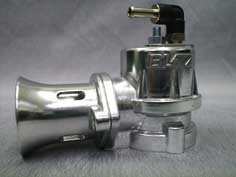
When the boost is increased on a modified turbo car, the standard dump valve usually cannot cope with the extra air it has to release when the throttle is shut. This can lead to permanent damage to the turbo as the air is forced back through the inlet blades.
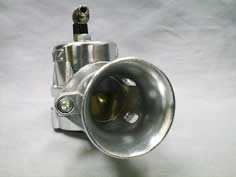
These dump valves are designed to improve the response of the turbo and are made from polished aluminium with a brass piston. Boost pressures of over 2 bar are dealt with without any effort, and the resulting sound is similar to the current breed of Group 'A' turbo rally cars
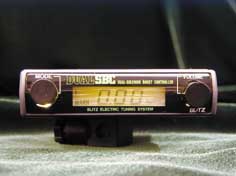
The most common way of increasing power on turbo engines is to increase the boost pressure. This increases the amount of air going into the engine, and providing there is sufficient fuel to accompany the boost pressure, the resultant charge is much denser and provides more power.
Standard Engine Management systems have built in boost limits, which turn the fuel injectors off if the boost rises a certain amount over standard.
The boost pressure can usually be raised a small amount before the limit starts to activate. On some cars this can result in 10-15 BHP increase. To remove the boost limit, an upgraded ECU needs to be fitted (see Access computer upgrades). This will usually allow a 30-50% increase in boost pressure with corrected fuelling for the increased boost. Increasing the boost without increasing the fuelling will cause the engine to run lean, which can be fatal for the engine
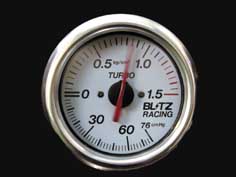
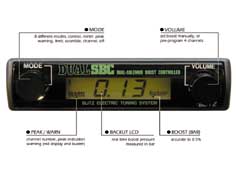
The best way of controlling boost pressure is electronically, using a solenoid valve to accurately control the pressure to the wastegate(s). This solenoid valve diverts air to the wastegate(s) making them open at a higher pressure. The more air than can be diverted, the more boost can be achieved,
