|
7th International Conference of IFAT - June 2003 |
James Farrugia will be representing
Koperattiva Kummerċ
Ġust
at the
VII
International Conference of IFAT, the International Federation for
Alternative Trade, to be held in Newcastle in the last week of June,
2003. For more information about the conference on the IFAT website
click
One of the protagonists of the conference will be
IFAT represents over 160 Fair Trade organisations in 50
"I am a true believer in
the power
of Fair Trade!" says Carol Wills. "The Fair Trade Movement judged in
terms of its turnover (compared with conventional trade) remains small,
but our ideas are BIG and have had enormous influence. I am convinced
that it has been the noise made by Fair Trade Organisations that has
caused businesses to review their trading practices and become more
socially and environmentally responsible."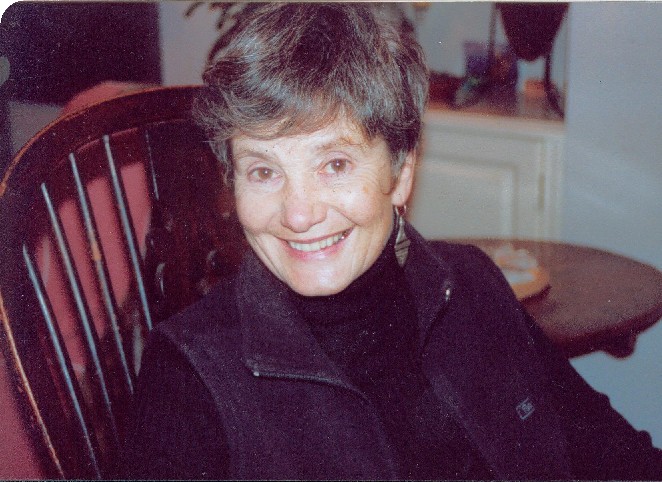 Carol
Wills (right), Exe
Carol
Wills (right), Exe countries.
It aims to improve the livelihoods of disadvantaged people in developing
countries and to change the unfair structures of international trade. It
achieves this by linking and promoting the organisations that practice
Fair Trade.
countries.
It aims to improve the livelihoods of disadvantaged people in developing
countries and to change the unfair structures of international trade. It
achieves this by linking and promoting the organisations that practice
Fair Trade.
A view from the players on the ground
The international Fair Trade community will converge on the British city of Newcastle upon Tyne later this month for the largest international conference on Fair Trade in history. The event, running from 23-28 June at Newcastle University, will coincide with the '24 Hours for Trade Justice' nationwide event organised by supporters of Trade Justice in the UK.
The 250 conference delegates 155
from developing countries are members of IFAT - the International
Federation for Alternative Trade a global network of Fair Trading
organisations with members in more than 55 countries of the world.
Nations represented by the delegates include:
Africa: Cameroon; Egypt; Eritrea; Ghana; Kenya; Malawi; Namibia; Senegal; Tanzania; Uganda; Zambia.
Asia: Bangladesh; India; Indonesia; Nepal; Pakistan; Philippines; Sri Lanka; Vietnam; Thailand.
Latin America:
Bolivia; Brazil; Chile; Ecuador; Peru.
Delegates will also be arriving from
Europe, the United States, Japan,
and Australasia.
The
daily work of IFAT members is on the ground, giving practical support to
farmers and workers in developing countries to get their goods to market on
fairer terms of trade. When trade is fair, it can make a sustainable and
significant contribution to poverty reduction. It¹s estimated that more than
five million producers around the world benefit from Fair Trade and the
technical support provided by Fair Trading partners.
"The issue how trade can support sustainable development is the idea at
the heart of Fair Trade," says Carol Wills, Executive Director of IFAT,
"Now- at last it is on the international agenda. But as the 5th WTO
Ministerial draws near, policy makers persist with a programme of full-scale
trade liberalisation - despite the harm this has had for poorer countries.
Fair Trade companies know first hand the conditions under which trade can be
a force for development. The experience that IFAT members will share at
Newcastle will be a real contribution to these debates." Her message is
reflected in the conference theme, “Speaking Out for Fair Trade.”
The conference has been organised jointly by
IFAT members Traidcraft and Shared Interest, UK Fair Trade organisations
based in the heart of urban Tyneside. Shared Interest has provided
accessible finance to Fair Trade organisations since 1990, whilst Traidcraft
has been a leading member of the Fair Trade movement for more than two
decades.
Paul Chandler, Chief Executive of Traidcraft, said: “The success of the Fair
Trade movement is amply demonstrated in its rising sales and the increasing
impact we¹re having on government policy and business practice. This
conference will celebrate that achievement and commit us to challenging the
systems and tearing down the barriers which deny South partners the
opportunity to trade on equal terms.”
Stephanie Sturrock, Managing Director of Shared Interest, said: “All those
attending are committed to making trade fair in very practical ways and
their work is an inspiration to consumers and investors who want to make a
difference at a global level.”
The six-day programme, running from 23 to 28 June at the University of
Newcastle, aims to provide practical support to IFAT members, bringing them
together for sharing, discussion and action. Delegates will explore Fair
Trade issues through workshops and seminars on market development,
monitoring and advocacy.
Keynote speakers at the opening ceremony on 23 June include Terry Hudghton,
Head of Corporate Brand Management for the Co-operative Group; Dr Alan
Knight OBE Head of Social Responsibility for Kingfisher Group; Francisco
Vanderhoff, founder of UCIRI in Mexico (one of the largest fair trade coffee
producer organisations with more than 4000 members) and the Max Havelaar
fair trade label in the Netherlands, and Richard Adams OBE, founder of
Traidcraft and the Out of this World chain of co-operative ethical
supermarkets.
For a full conference
programme visit www.ifatconference2003.org
Fair Trade:
Fair Trade is a trading partnership, based on dialogue, transparency and
respect, that seeks greater equity in international trade. It contributes to
sustainable development by offering better trading conditions to, and
securing the rights of, marginalized producers and workers especially in
the South.
Fair Trade organisations (backed by consumers) are engaged actively in
supporting producers, awareness raising and in campaigning for changes in
the rules and practice of conventional international trade.
IFAT:
The International Federation for Alternative Trade is a global network
of over 180 Fair Trade organisations in more than 50 countries, which works
to improve the livelihoods and well-being of disadvantaged people in
developing countries and to change the unfair structures of international
trade. See www.ifat.org/dwr
Shared Interest Society Ltd
Shared Interest is a co-operative lending society with around 8,350
investors. One of the biggest problems faced by producers in the developing
world is getting access to credit. Shared Interest provides accessible
finance to fair trade organisations, offering credit to producers and buyers
against their fair trade orders. See www.shared-interest.com
Traidcraft
Traidcraft is the UK¹s leading fair trade organisation which, in 2004,
will celebrate 25 years of fighting poverty through trade. Traidcraft¹s
trading company and linked development charity work with IFAT members and
other organisations to help poor producers use their skills to build
sustainable businesses. See www.traidcraft.co.uk
Conference donors include:
Commonwealth Foundation, Fair Trade Assistance, Netherlands, Brot fur
Alle, Switzerland, Novib Oxfam Netherlands, Traidcraft, UK, Oxfam Ireland,
Ten Thousand Villages, Canada, Ten Thousand Villages, USA
The Trade Justice Movement:
The Trade Justice Movement is a fast growing group of organisations
including aid agencies, environment and human rights campaigns, Fairtrade
organisations, faith and consumer groups. The movement is supported by more
than 40 member organisations that have over 9 million members, and new
organisations are joining every month.
Together, we are campaigning for trade justice - not free trade - with the
rules weighted to benefit poor people and the environment. We are calling on
world leaders to:
-
stop forcing poor countries to open their markets; and champion their right to manage their own economies
-
regulate big business and their investments to ensure people and the environment come before profits
-
stop rich countries promoting the interests of big business through trade interventions that harm the poor and the environment
-
ensure trade policy is made in a fair, transparent and democratic
IFAT Secretariat
10 June 2003
