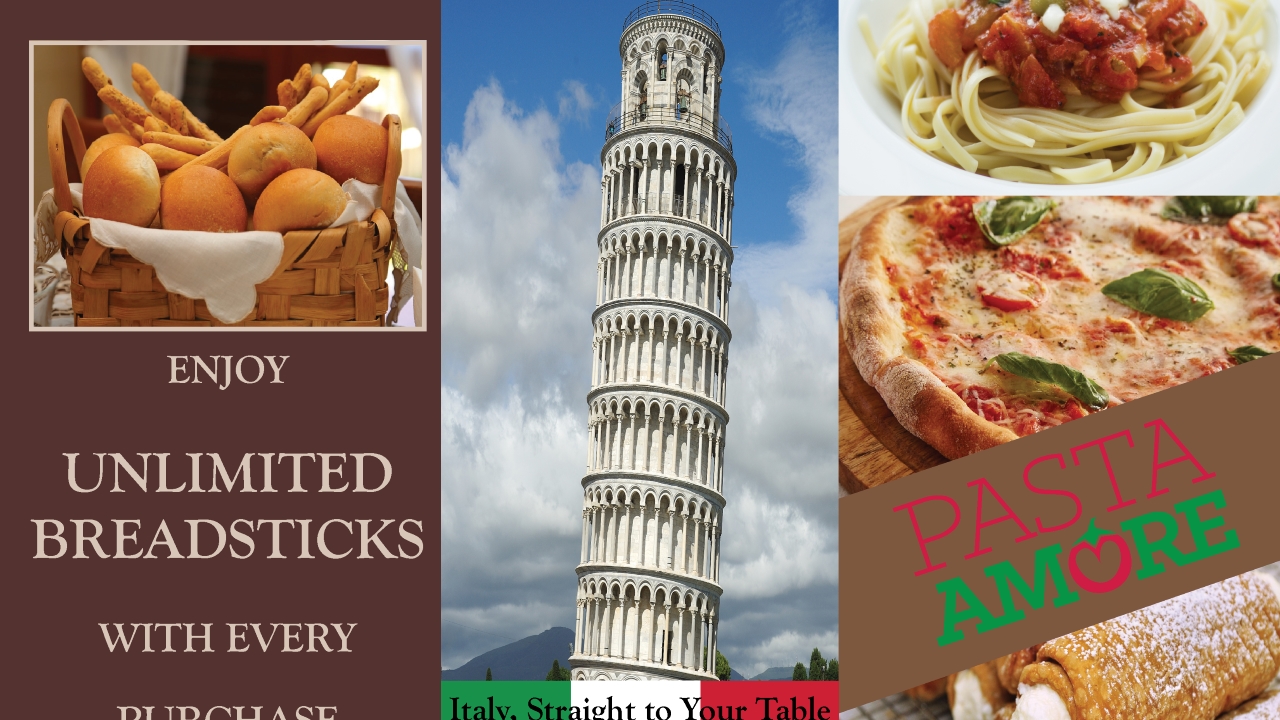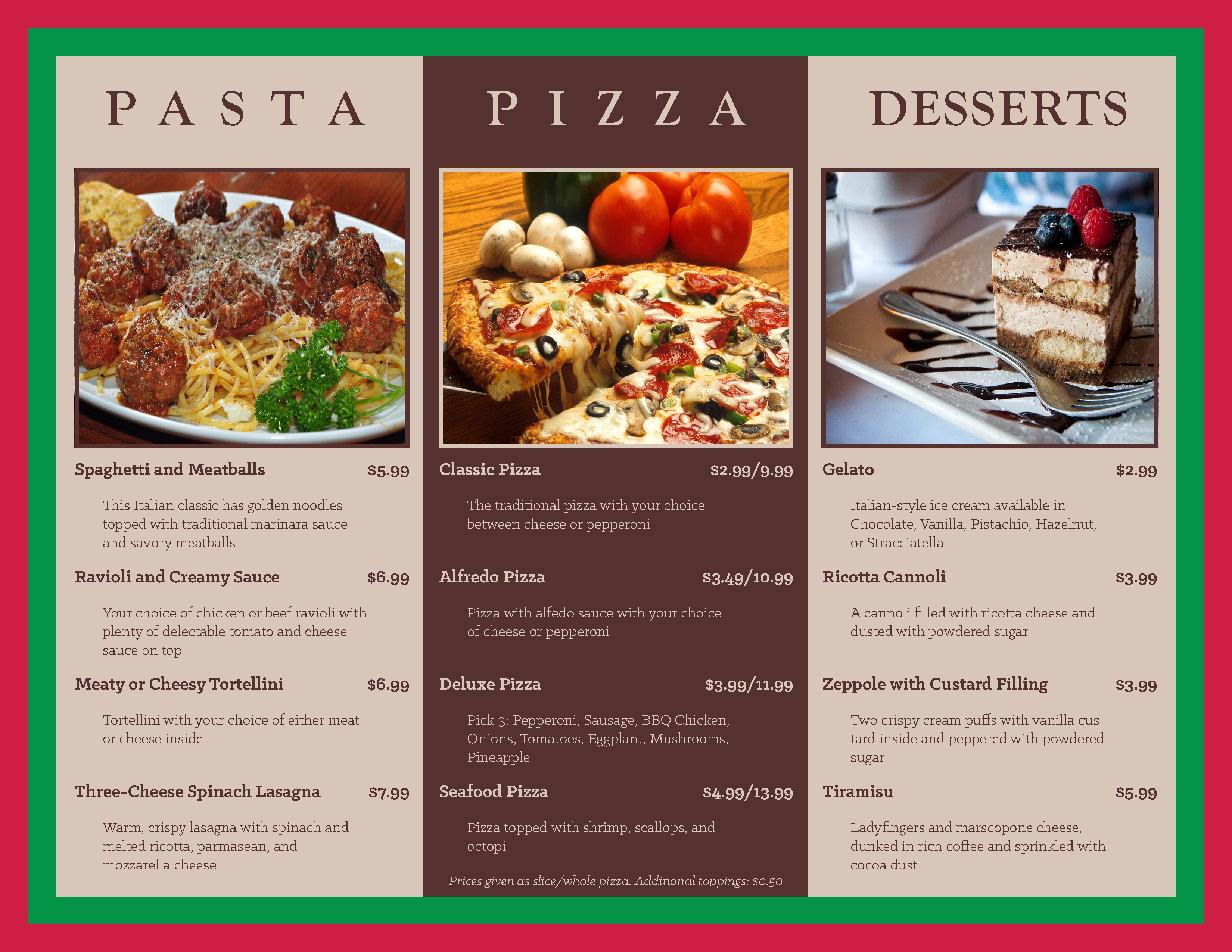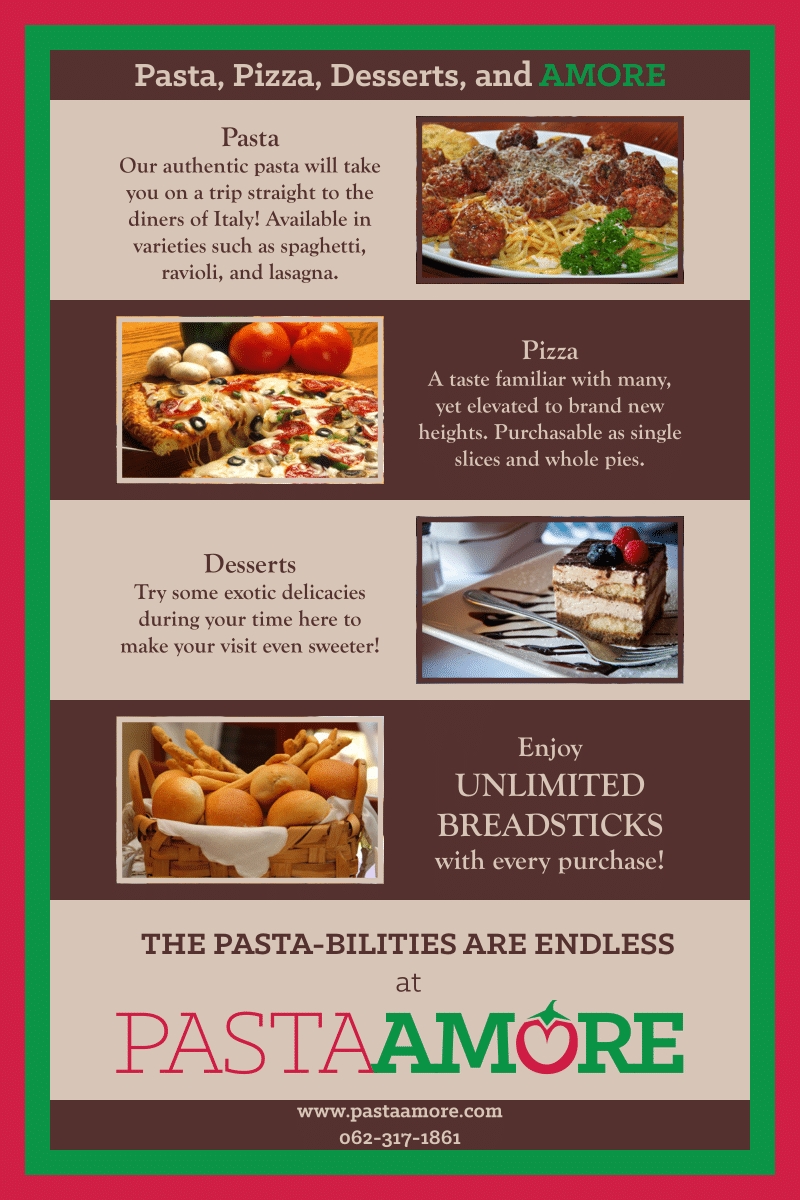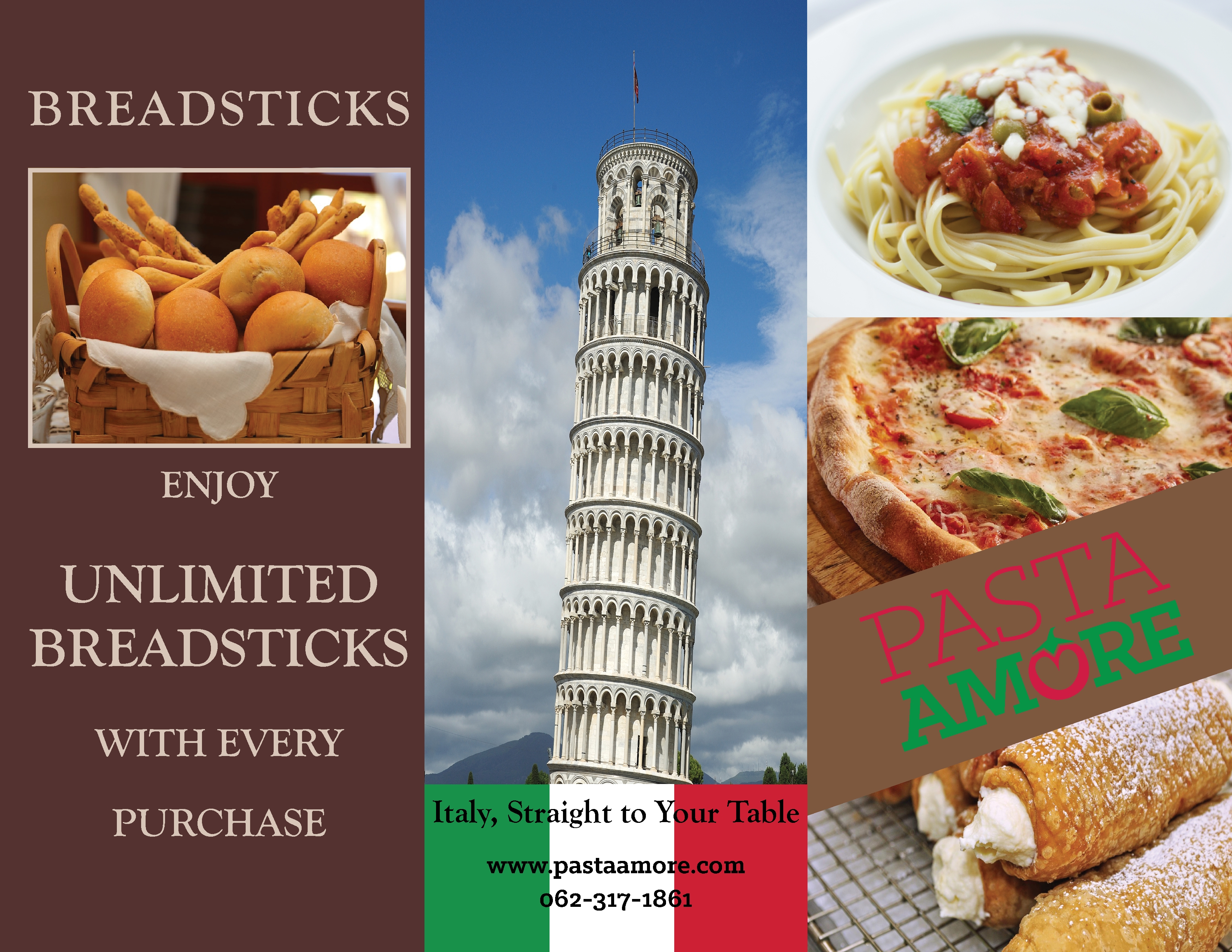
This brochure for Pasta Amore promotes some of its food options in an appealing way to draw in customers while maintaining the brand’s image. From the color scheme, to font, to images, to content, even the tone, it all keeps proper representation of Pasta Amore as the top priority. As Pasta Amore appeals to families, this piece was designed to be somewhat casual, which can be seen in details such as the diagonal shape underneath the logo.

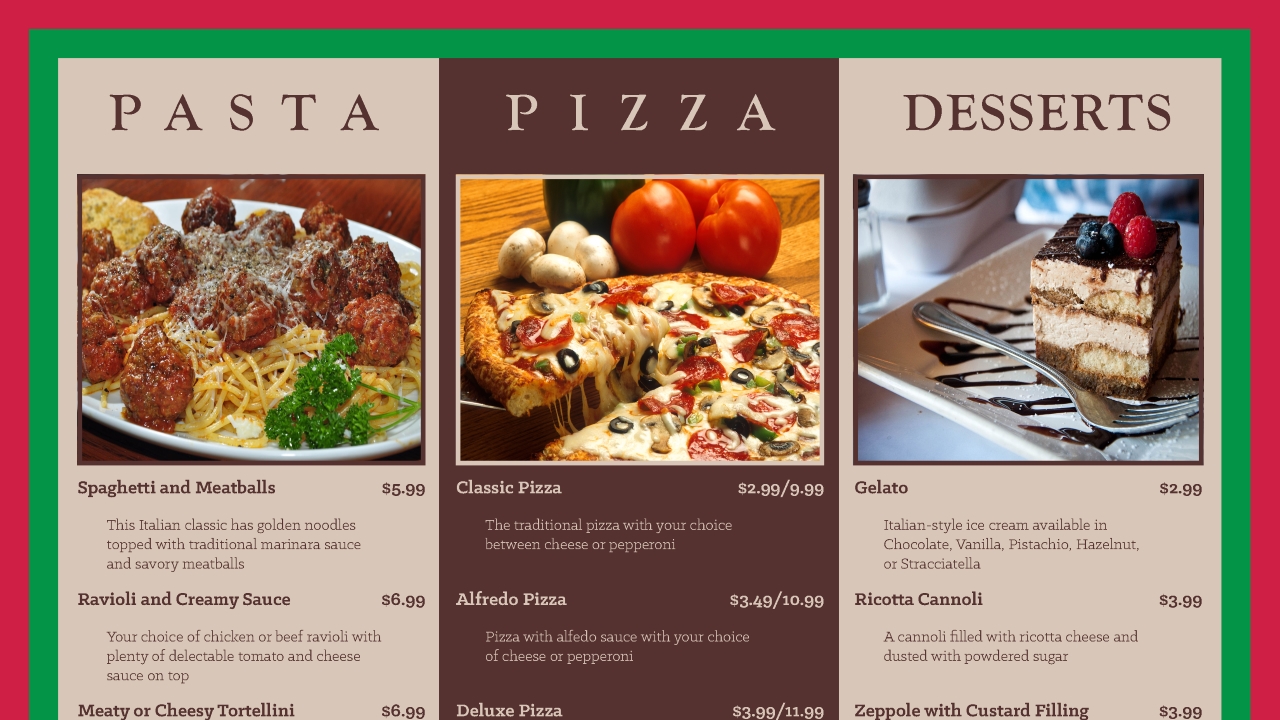
The interior of the brochure continues to emphasize Pasta Amore’s brand such as with the borders helping to reinforce the brand’s identity and connect various sections of the interior. The large images serve as instant eye-catchers which pulls in the viewer’s eye and encourages them to read the section it’s contained within. An engaging, repetitious pattern is developed as the sections cycle between dark text on a light background and vice versa. The color choice maintains high contrast between the text and background color. Overall, the entirety of the brochure is meant to seem friendly and fun while also being exceptionally effective.
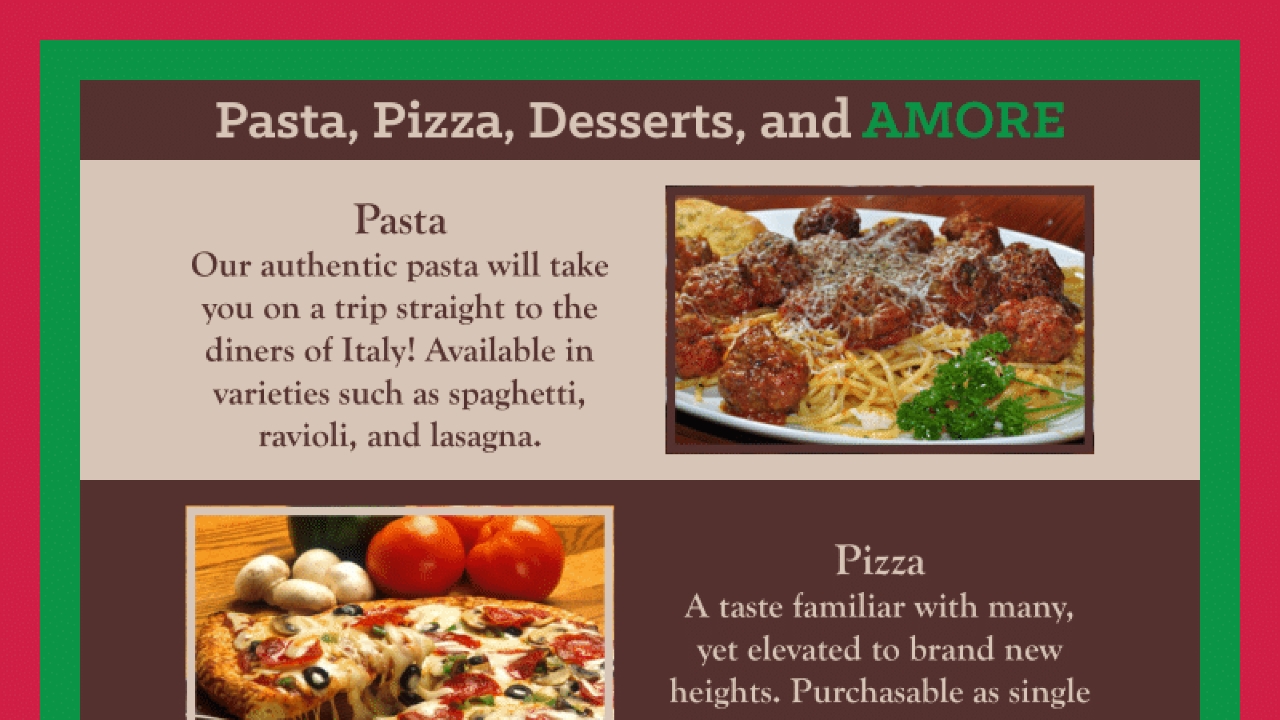
This piece is meant to show my ability to create designs that suit a number of different mediums and maintain consistency as I do so. Unity among pieces is evident through the presence of the border, color scheme, and alternating pattern of colors which relates to the brochure design. A flyer encourages much less concrete detail and is more suited to attracting customers with quick statements and images that pique their interest which led to the use of quicker, “snappier” statements. In the development of this piece, I have adapted the brochure design to suit the requirements of this new form of branding material.
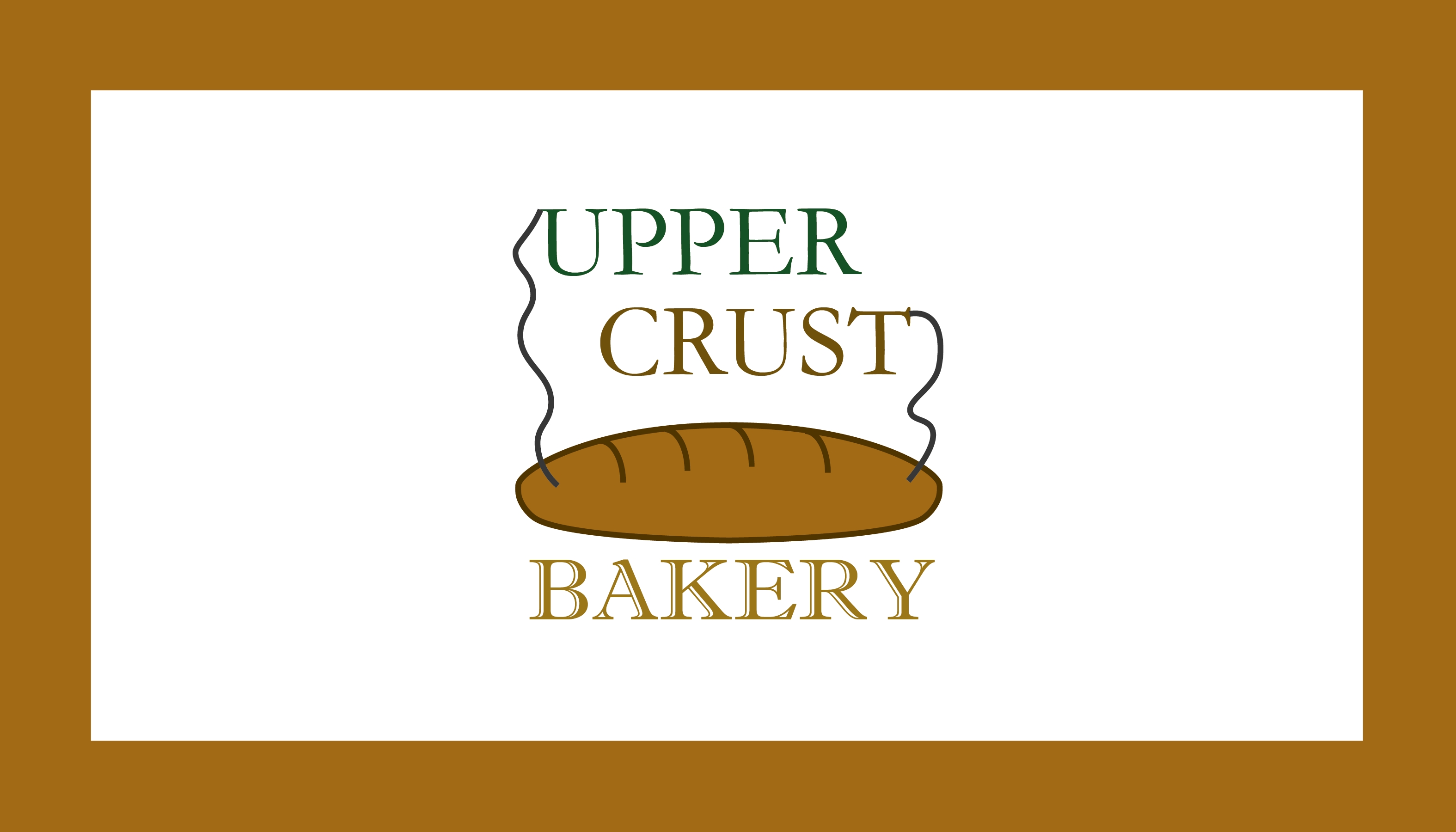
Not only did I develop the business card, but the logo itself was custom-designed by me. The logo was designed to be simplistic, yet charming and memorable. The top priority for me in developing the business card was ensuring consistency. This was achieved by using the same color scheme as the logo and a similar font. I also made sure that the most important pieces of information were given focus (in this case, the name).
The back of the business card does not have many extra details which allows the logo to stand out well. Due to the name being the main focal point for the front of the card, I had desired for the logo to be emphasized on the back. The brown border of this side allows for some additional minor interest to allow even a simple presentation of a logo to be engaging.
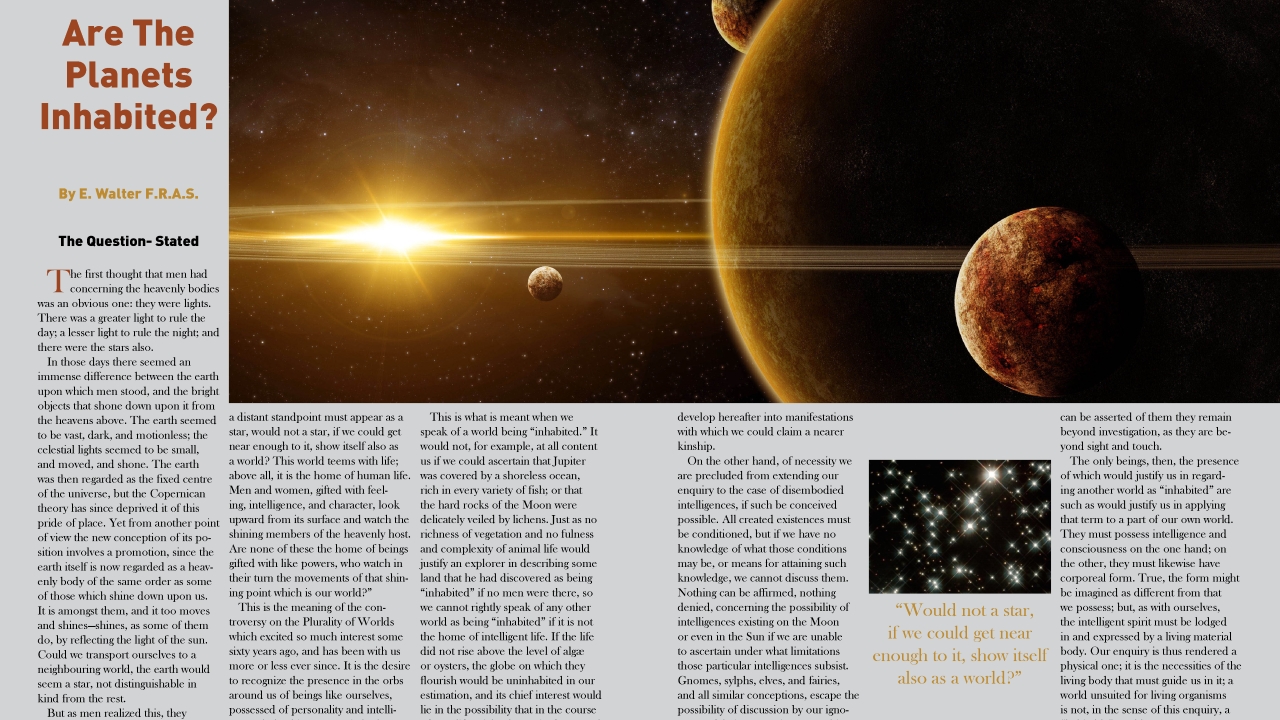
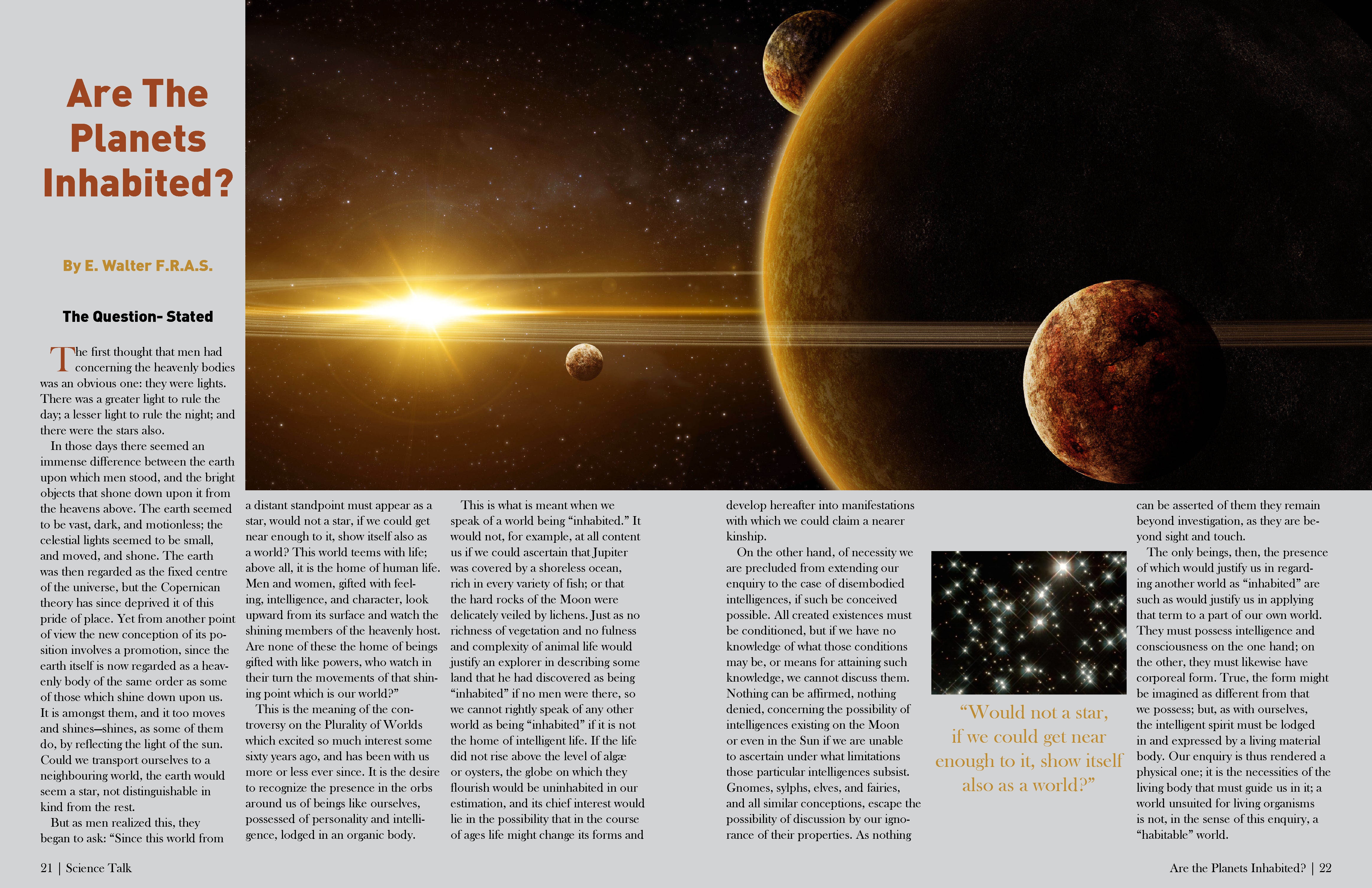
This magazine spread discusses the possibility of alien life within a scientific journal. Because of how it caters to educated individuals, it is light on excess details and focuses on the content of the article, only interrupting it to generate extra engagement and to serve as a necessary reprieve from the text. This large image is eye-catching and helps set the tone of the article. Few colors are used to avoid becoming distracting from the main content. This image and quote break up the text to create a small bit of interest without standing out too much.
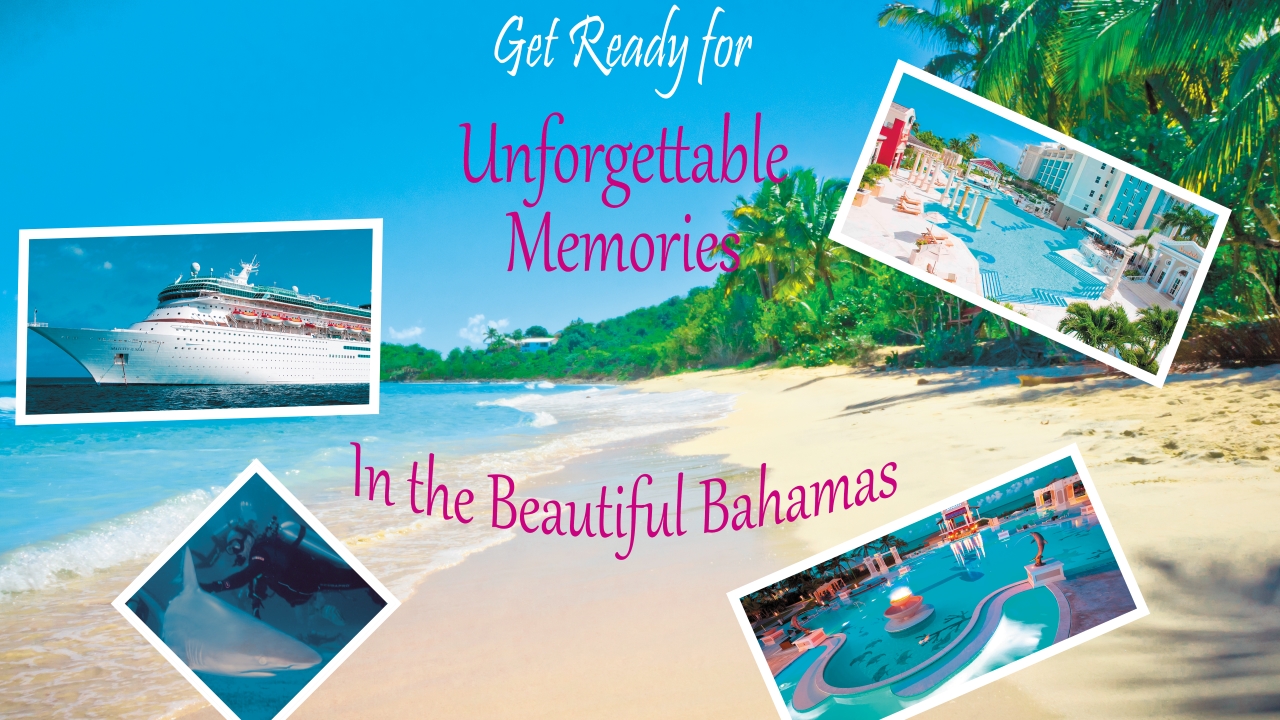
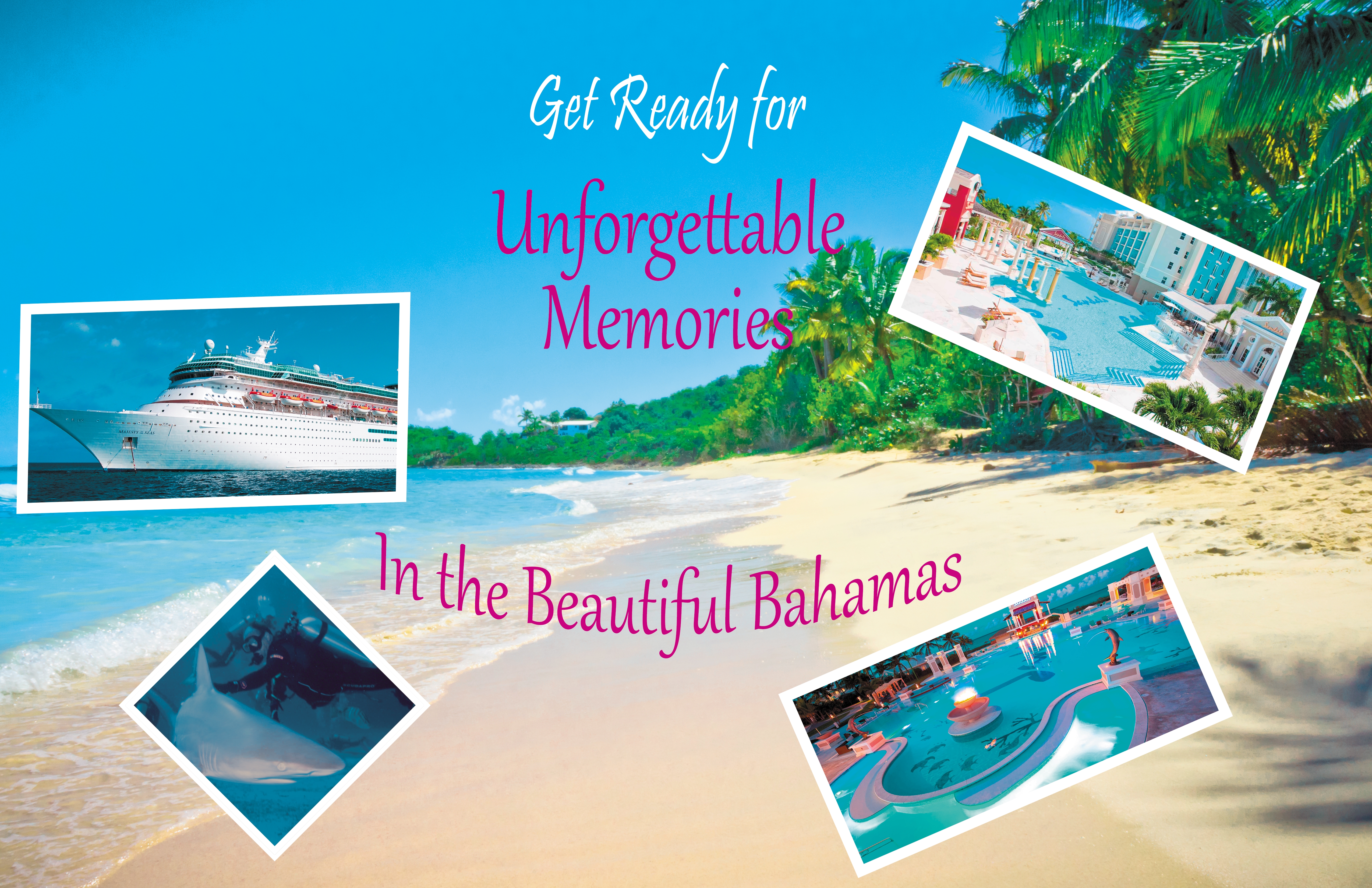
This image is meant to persuade viewers to want to purchase a particular cruise vacation package. The details in this image were all carefully put together. The color scheme is meant to vary between vibrant and more peaceful (with the latter mainly being for the nighttime resort and scuba diving image). This is accomplished through image editing each photo, typically by increasing or decreasing the hue, saturation, and value. The positioning of the elements, as well as the font (which was deliberately selected to represent a tropical theme) were refined several times during production to ensure the persuasiveness of this ad was as effective as possible.
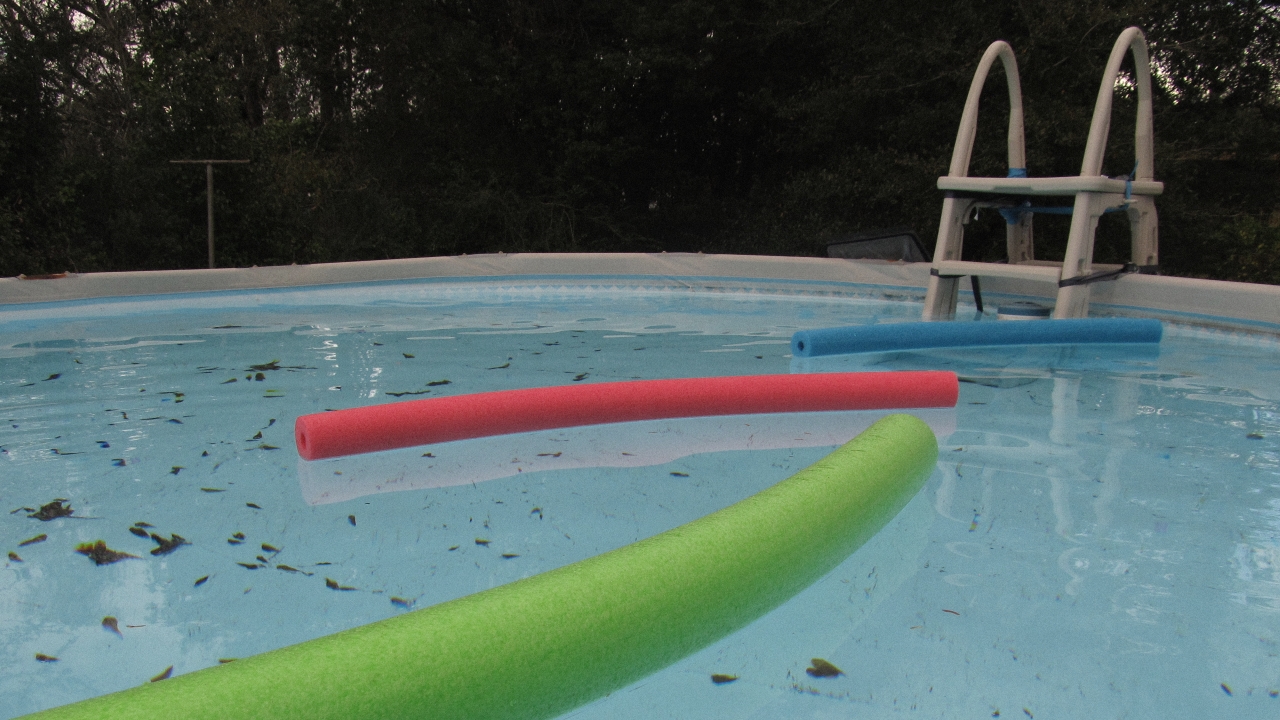
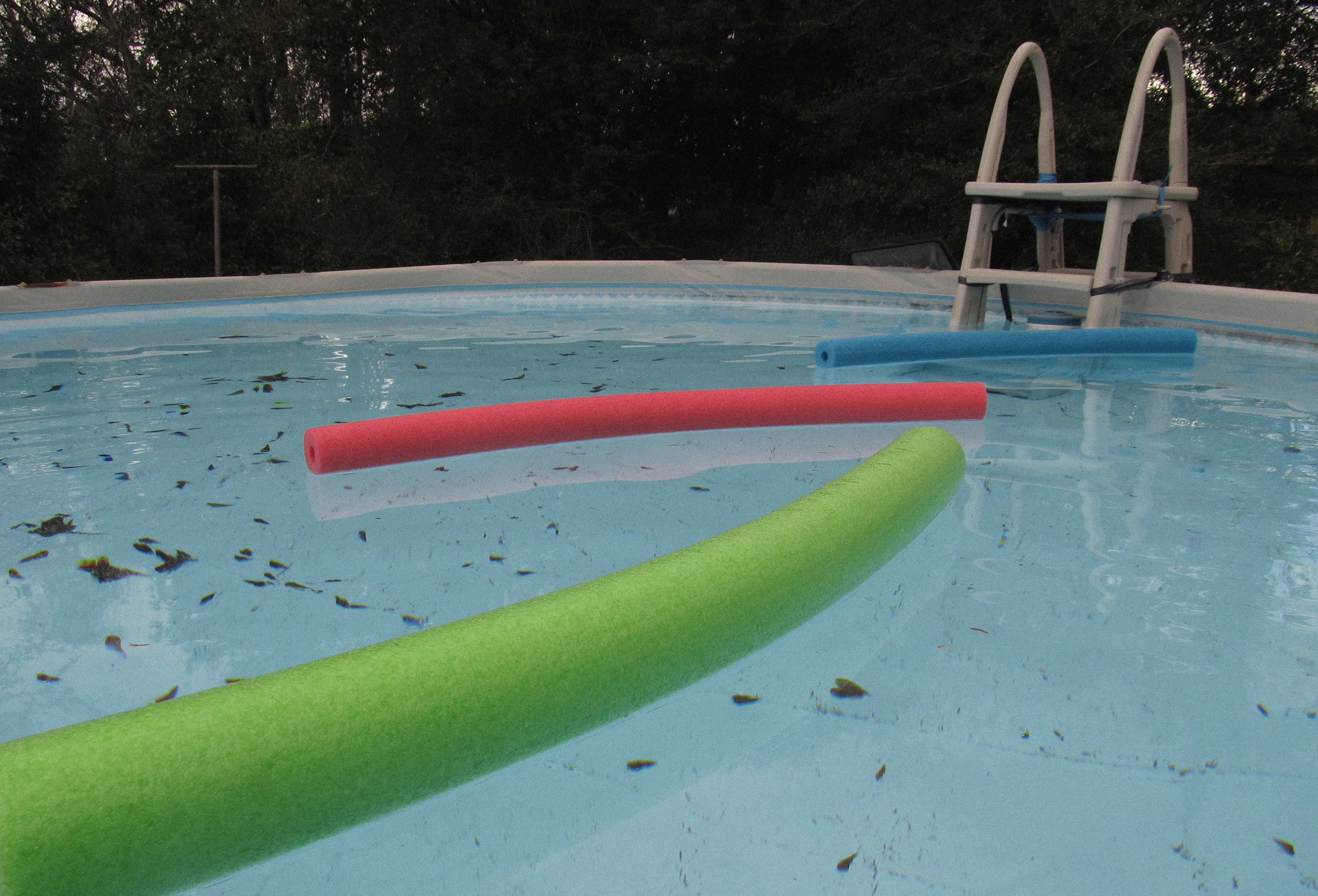
This was part of a photographic essay that I titled “Lost Childhood”. It contained photos that were arranged and then edited to seem depressing, isolated, and abandoned. Great care was taken to place the elements within the scene before shooting any photographs and then many adjustments were made afterwards to achieve the lonely tone I was going for. For example, the pool noodles were arranged to lead the viewer’s eye across the page towards the focal point that is the pool ladder. A grainy texture made of visual noise as well as reducing the value and saturation was applied to the entire image and luminescence was added to the pool noodles for subtle emphasis.
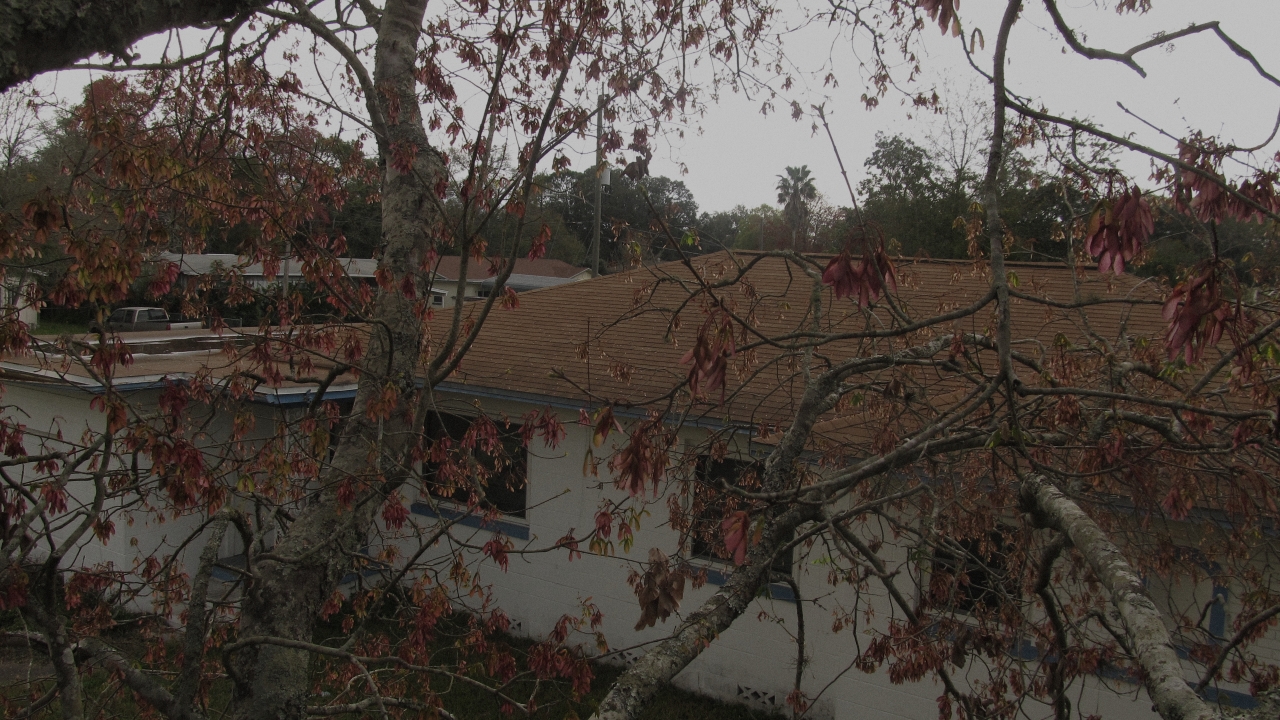
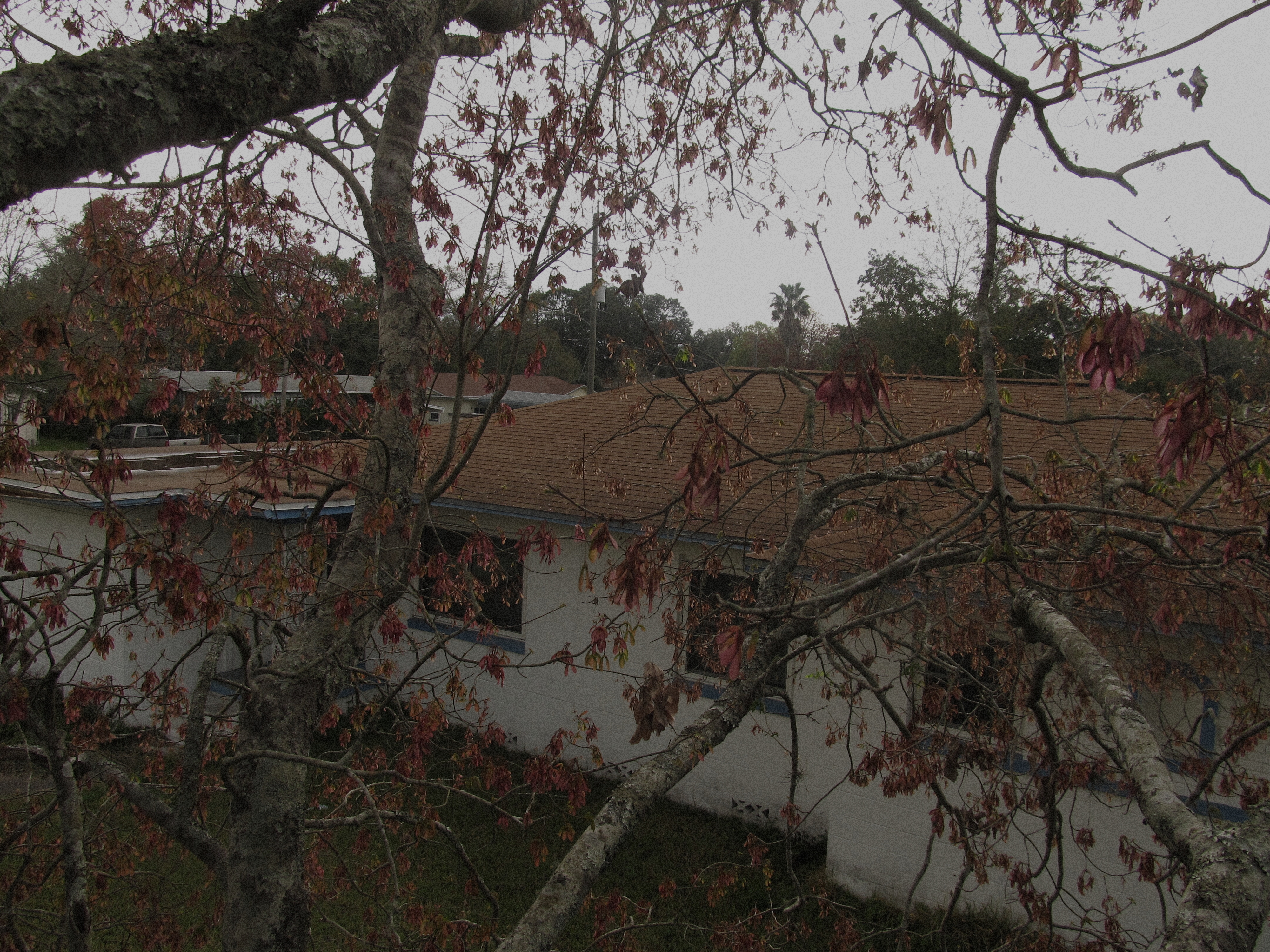
This image was the final image in my “Lost Childhood” photographic essay and I wanted the photo framed in such a way that it was clearly taken from a tree through the presence of branches but not in an obtrusive way. After many attempted shots, I finally took one I was quite satisfied with where the branches help lead the viewer’s eye towards the focal point that is the gap in the branches (around the center of the image). Like the tree photo, this image has been photo-edited to have a grainy texture and reduced value and saturation.
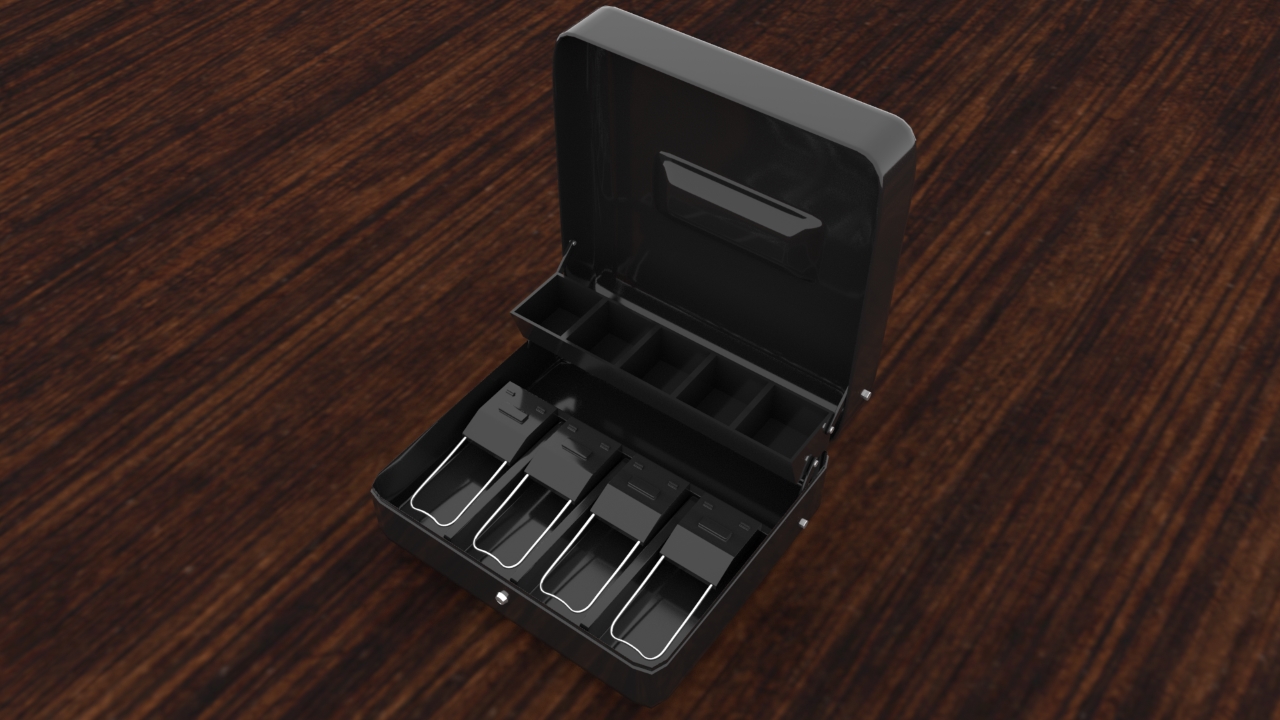
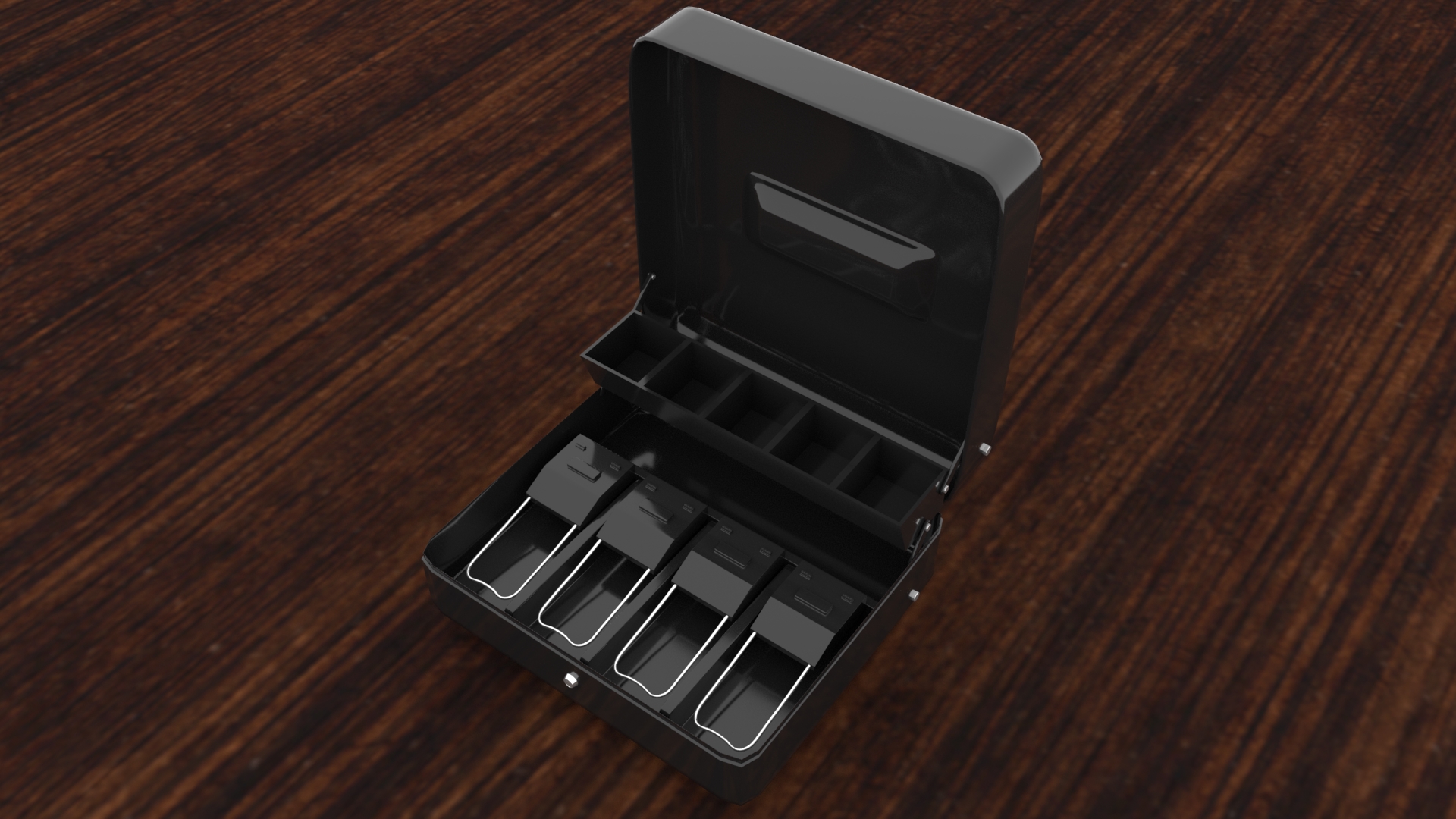
This is a 3D model meant to seem realistic as if it could be seen in the real world. From minor bumps to small bolts, I wanted my result to resemble the original object as closely as possible. I finely-tuned the objects positioning to present the model in an engaging way that also best allows one to fully view the model. I also made sure the lighting was as effective as it could be through the adjustment of angle and intensity to help one see how shadows are affected by this object.
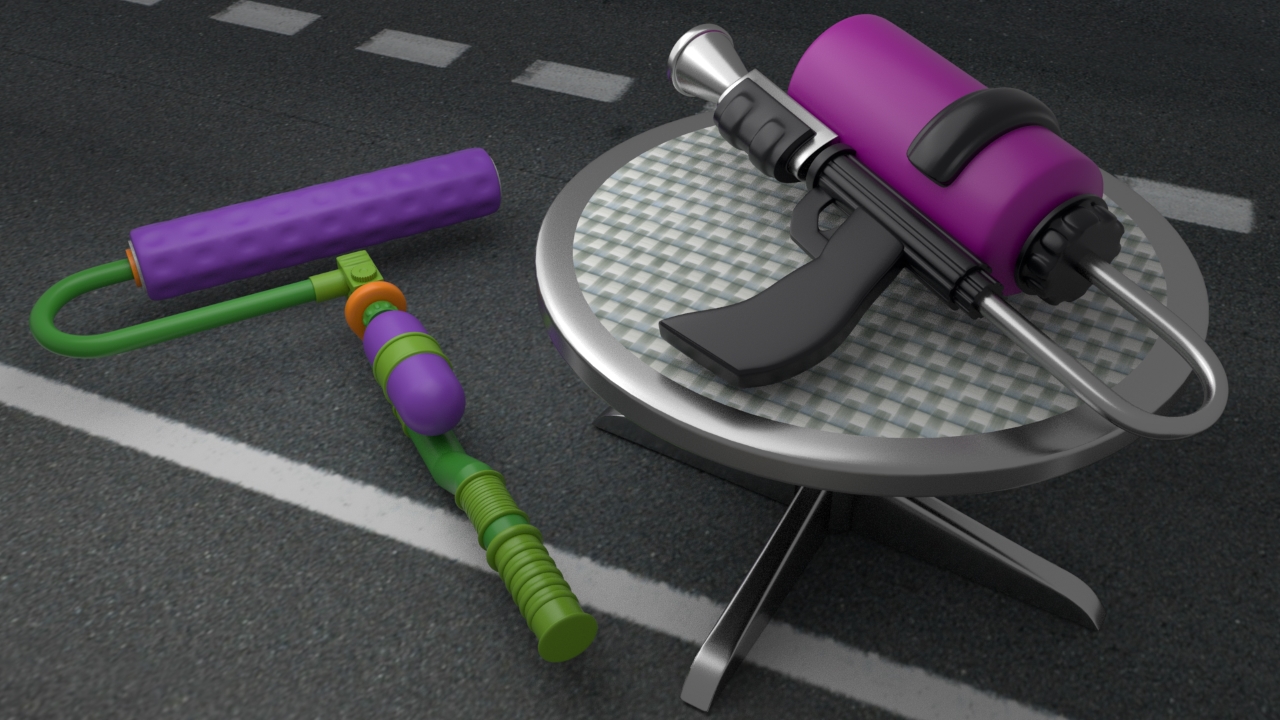
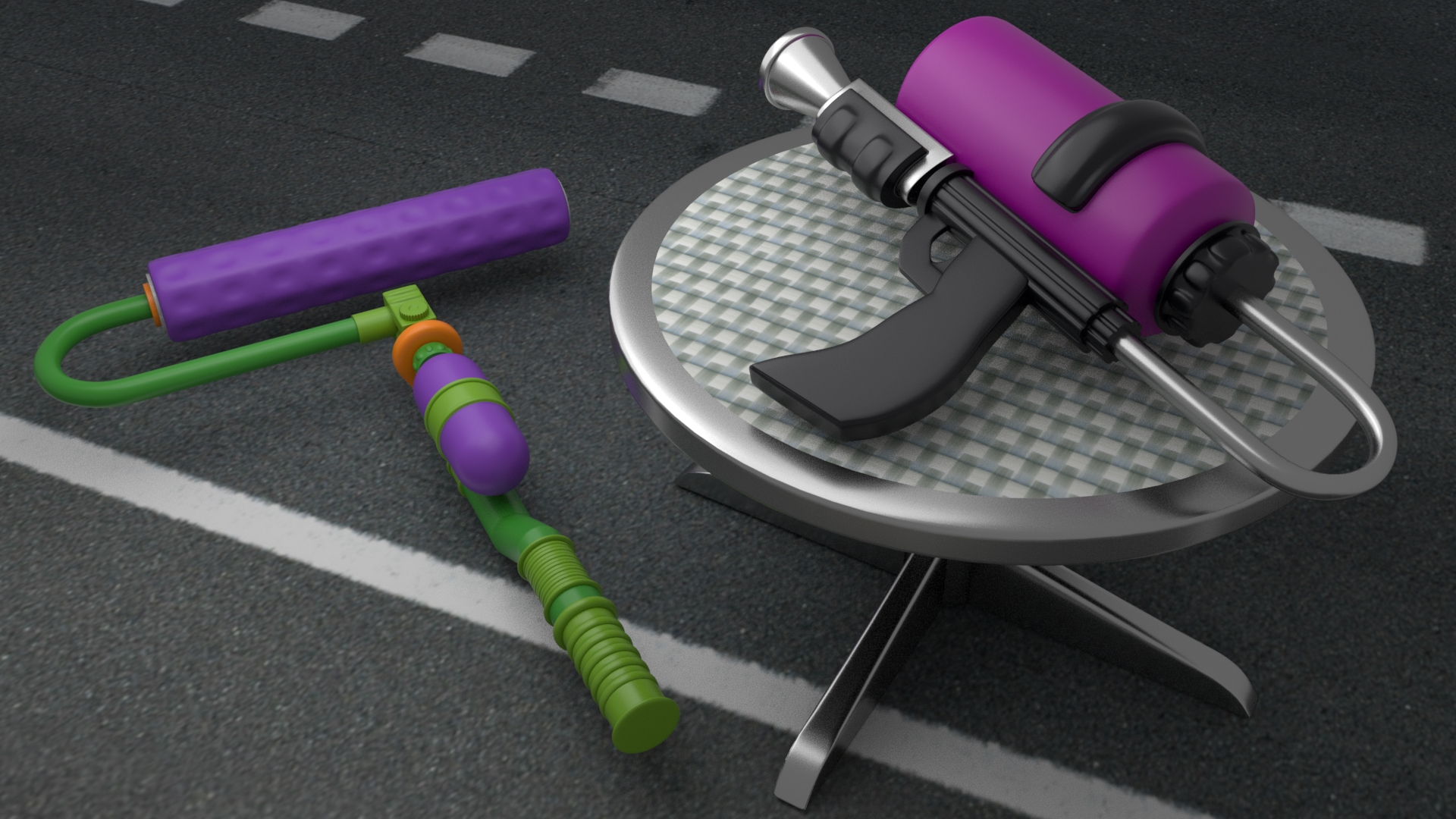
These 3D models were meant to represent fantasy and cartoons to show how I can also create stylized props. The target audience would be children as they would appreciate such creative pieces. The paint roller is vibrant and appeals to a younger group who enjoys colors, while the paint blaster has darker colors but still retains its absurdity which a group of older children would enjoy. Consideration for ethics is also demonstrated as ample precautions were taken to ensure the pieces looked exaggerated and the paint blaster in particular did not seem controversial. The props have several small details etched into them to create additional visual interest, as well as to reinforce the fact the paint blaster is just a simple, harmless toy. This helps prove my prowess in handling sensitive subjects with care.
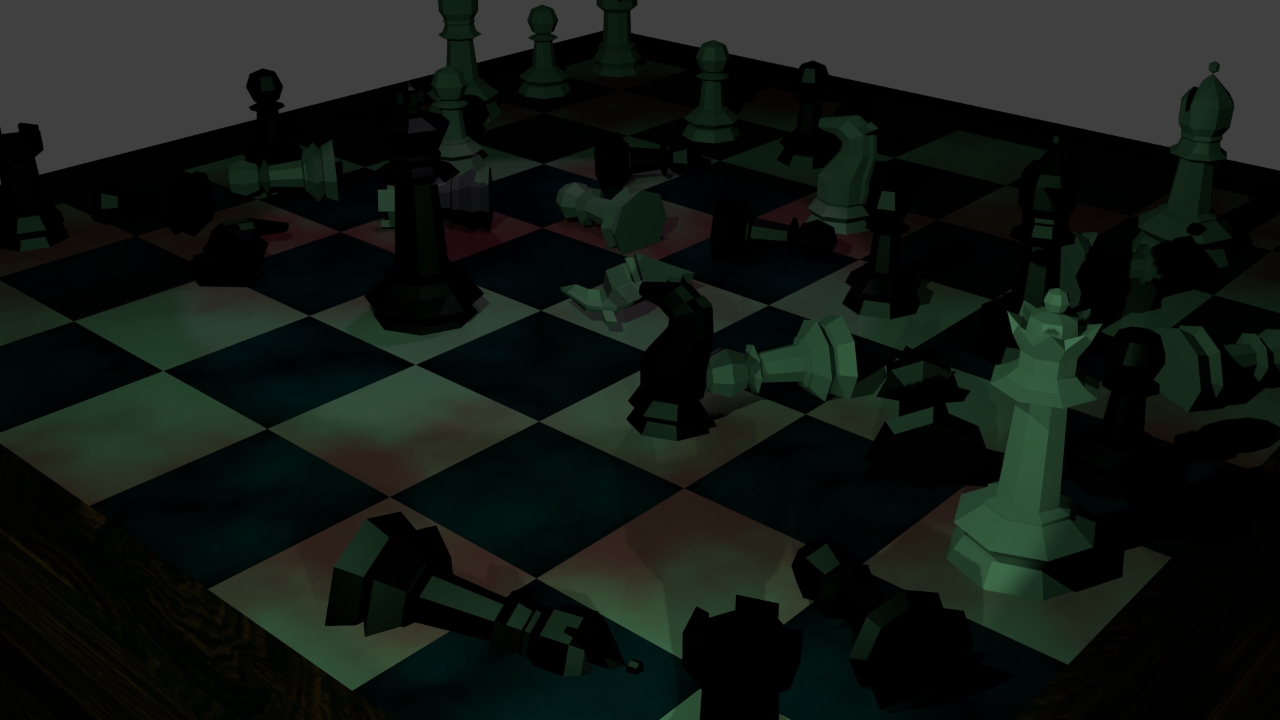
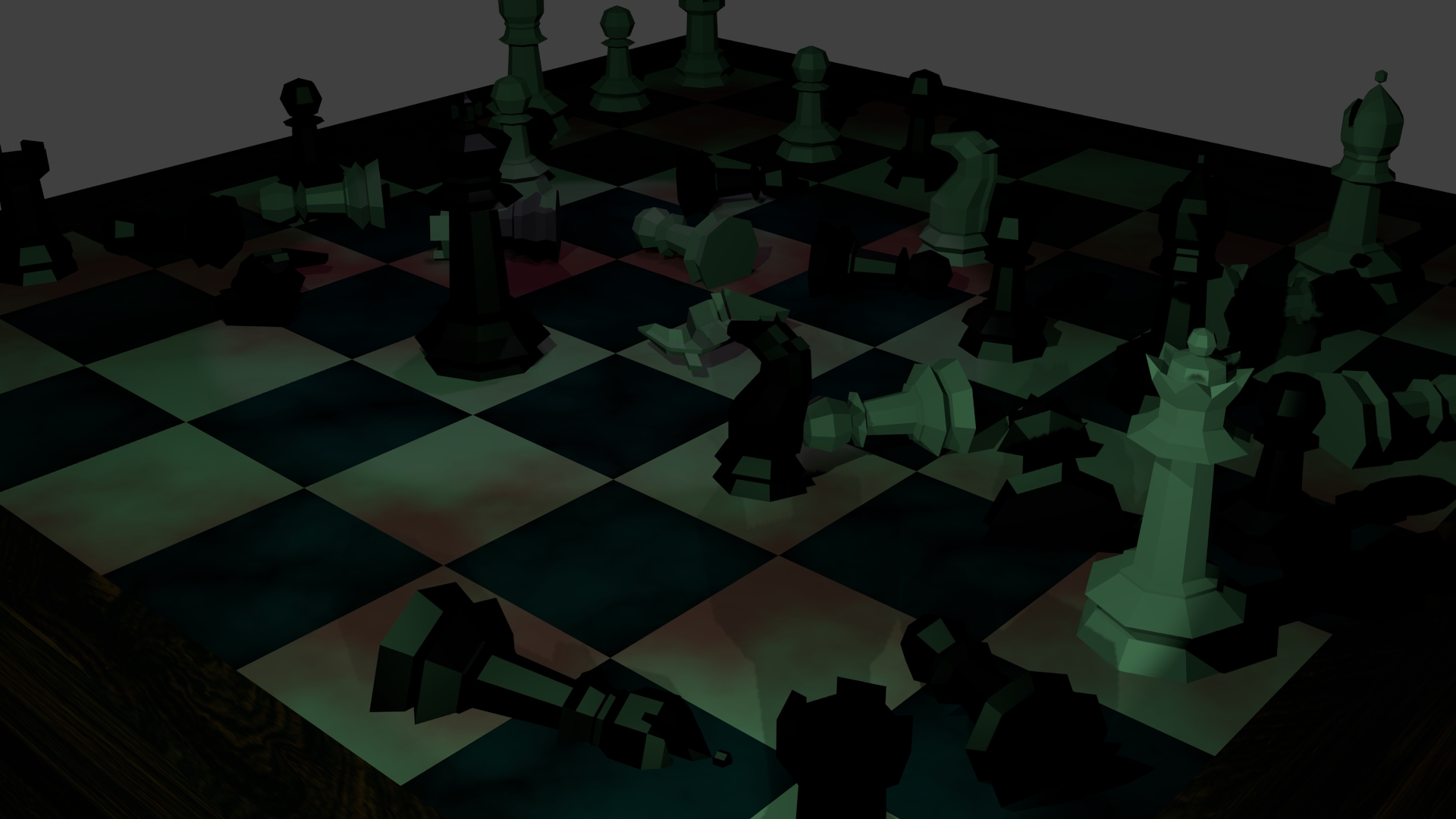
This image is meant to tell a story, being a dramatization of a standard chess battle. I modeled the individual pieces and then positioned them, adjusted the camera, lighting, and altered other various settings to get across my intended gloomy mood as clearly as possible. The shadows of this piece serve as a subtle guide for the viewer’s eye towards the center of the image which is where the area of greatest brightness serves as the focal point. Streaks of red travel horizontally across the board which also helps encourage the viewer to navigate across the image. This shows that my 3D skills are particularly diverse and that I can create imaginative settings and storylines in just a single image.