
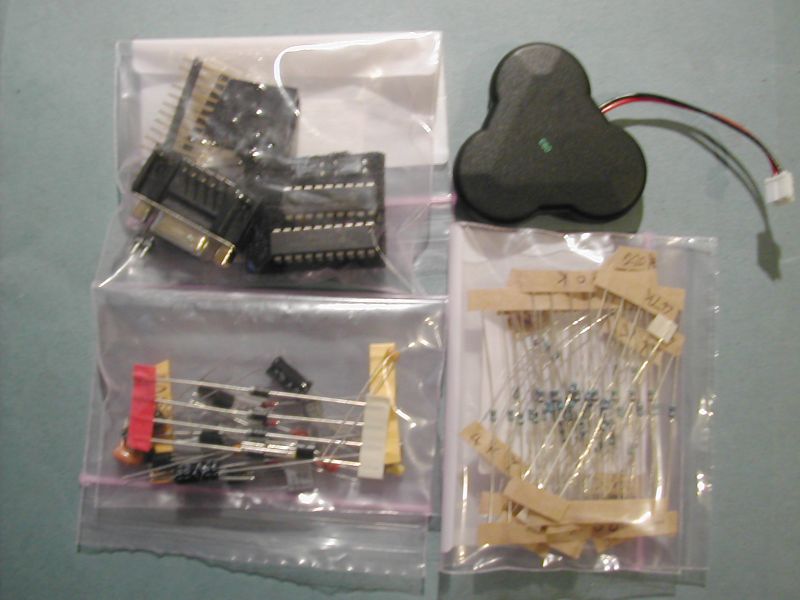
Resistors
Diodes
Transistors
Capacitors
PIC16F88 Microcontroller
Ceramic resonator
All sockets and hardware
NiMH battery
Quality PTH pcb size 108 x 39mm
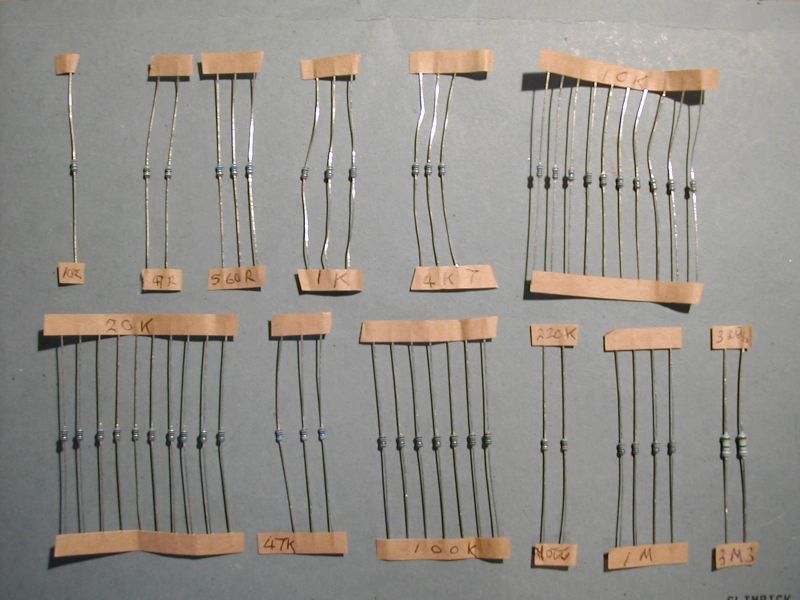
1 off 10R
2 off 47R
3 off 560R
3 off 1K
3 off 4K7
10 off 10K
10 off 20K
7 off 100K
2 off 220K
4 off 1M
2 off 3M3
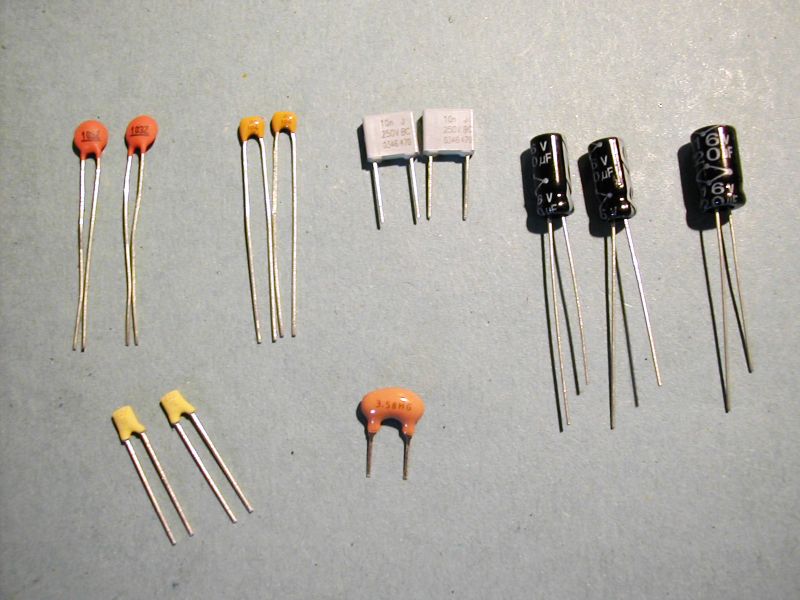
2 off 10nF 50V ceramic
2 off 100nF 50V ceramic
2 off 10nF 250V
2 off 10uF 16V electrolytic
1 off 220uF 16V electrolytic
2 off 22pF silver mica
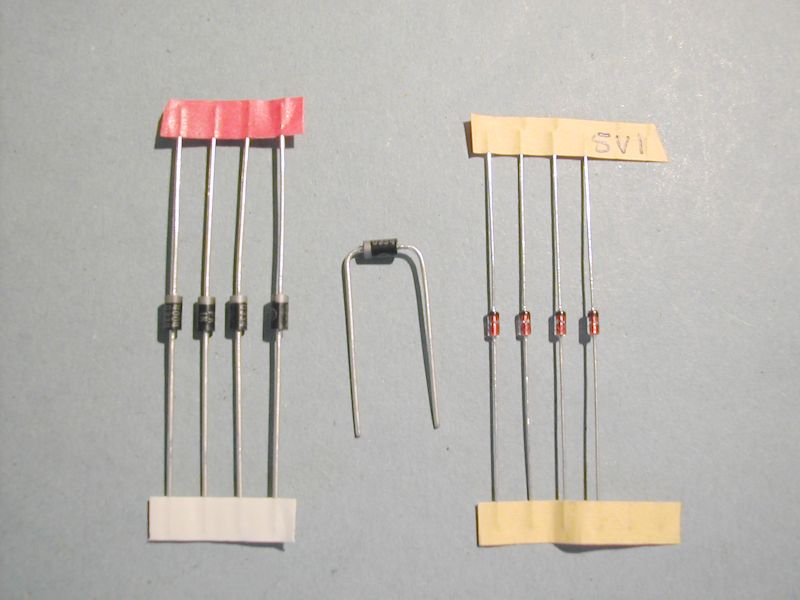
5 off 1N4004 1A 400V rectifier diodes
Also shown are the zener diodes used for voltage clamping and protection
4 off BZX79C-5V1
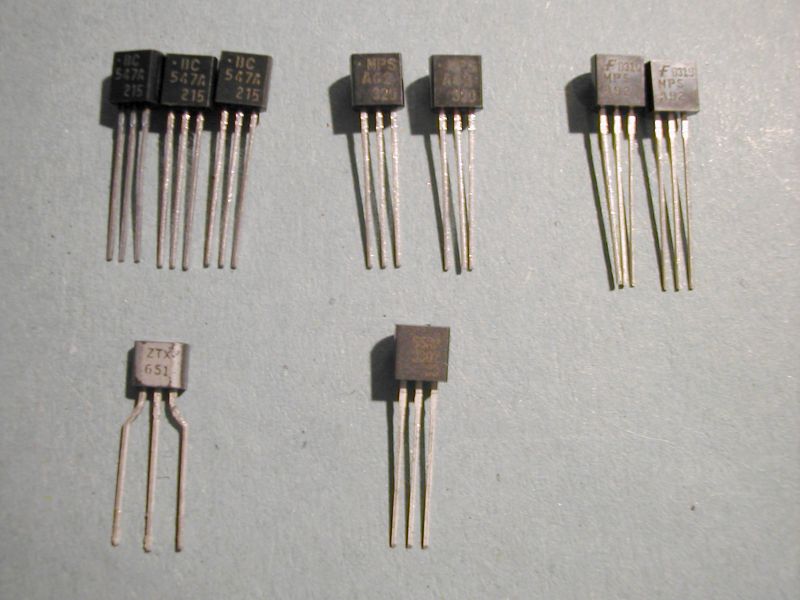
3 off BC547 NPN General purpose 4V
2 off MPSA42 NPN high voltage 300V
2 off MPSA92 PNP high voltage 300V
1 off ZTX651 NPN 2A current
1off 3.3V voltage regulator Holtek HT7533 etc
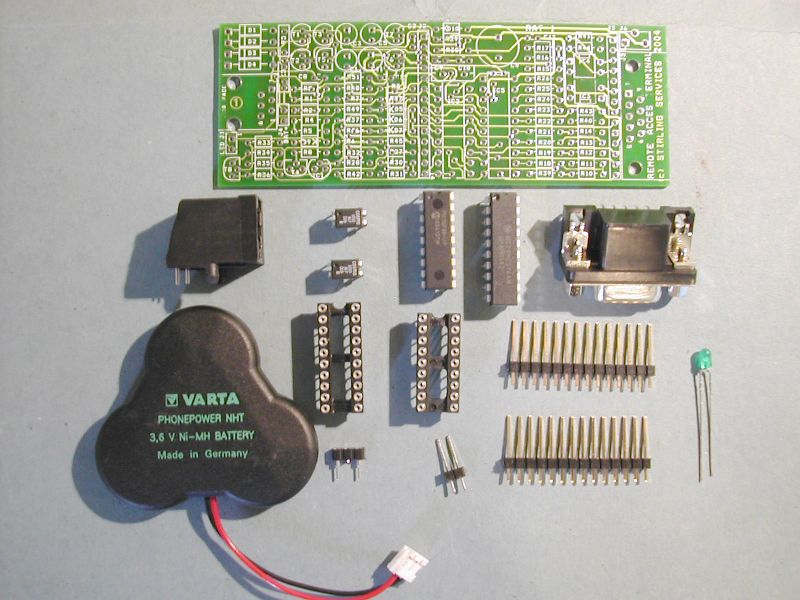
Double sided PTH pcb size 108 x 39 mm
RJ11 phone line connector
2 off KP1010 optocouplers
PIC16F88 microcontroller with RAT firmware
8 Bit latch (optional)
9 way D-type connector for PC_Serial link
IC DIL sockets 20 pin and 18 pin
14 way SIL headers for expansion connectors
LED - shown green here
Socket for ceramic resonator or crystal
Battery Connector 2 pin
3.6V NiMH battery (type may vary)
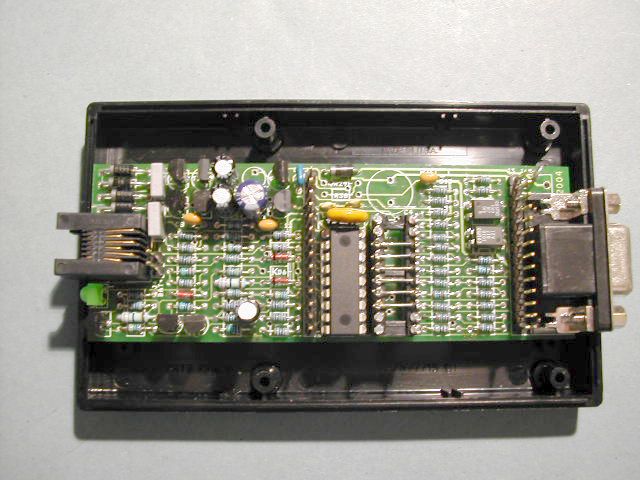
This one from PACTEC www.pactecenclosures.com
is a good fit.
RAT_1 is a simple communications device which allows you to interface microcontrollers to the telephone line and send data between them. It is being offered as a development kit for the hobbyist or student who wishes to learn how to use embedded microcontrollers in telecom applications.
2. How can it be Used?
RAT_1 is a device for sending and receiving data over the phone line. It has the means to dial up any phone number and send short data messages to a PC modem, or other RAT located on that number. It can also answer incoming calls, and display the Caller_ID of the calling party. It can be used to control remote devices or as part of a home automation or home security system. It is designed to be a flexible device which can be adapted to suit a particular application.
3. How Long does it take to build the RAT_1 Kit?
The kit takes 2 to 3 hours to build for the average electronics hobbyist. It involves soldering approximately 100 conventional wire ended components into the circuit board. Step by step instructions make this quite straight forward.
4. Are any Special Tools Required?
No the kit is designed for easy construction with soldering iron, side-cutters, tweezers and possibly a magnifying glass. You will require a digital multimeter and a power supply for testing and a suitable PIC programmer if you wish to customise the unit.
5. How do I test it?
The RAT_1 can be safely tested with a digital multimeter and access to a PC (with serial port) and a bench power supply before connecting to the telephone line. An application running on the PC allows you to control the RAT_1 by means of serial commands. You can go off-hook dial numbers, send modem messages and access the voltmeter mode.
6. How do I reprogram the RAT_1?
RAT_1 uses the technique known as in circuit serial programming (ICSP). This is supported by most modern programmers and IN Circuit Debugging units - like the Microchip ICD 2. You will need to make up a 6 pin lead to plug into J3 the programming port.
7. How do I know it's working?
When the power is first applied to RAT_1, it generates a serial start up message which can be displayed on the PC. You just need to plug into a PC, and use a terminal program to display the message. Hyperterminal set to 1200 baud, 8 bits, no pariry, 1 stop-bit and no handshaking will do this. The RAT_1 runs a simple terminal program allowing you to type in simple test commands using the PC keyboard. Additionally, RAT_1 is supplied with some simple firmware to respond to Caller_ID and send it to the PC serial port to display the incoming Caller_ID.
8. Can I use other PIC microcontrollers?
Yes, the RAT_1 was originally designed around a 16F84 but now I recommend a 16F628 or PIC16F88. Any of the 16F or 18F seies with a USART will work. All signal lines are available so you could even fit your own microcontroller using a bit of stripboard (AVR fans - please note!)
9. How do I add my own circuitry?
RAT_1 has been fitted with 2 expansion headers J2 and J3. You can plug into these using SIL socket strip and access all the port lines of the PIC. Also the audio signals to and from the telephone line are available. You can build up your own circuitry on a piece of 0.1" stripboard and plug it directly into the RAT_1 expansion port.
10. How can I get a kit?
The RAT_1 kit will be available again in Q3 2004.