![]() |
|||||||||||||||||||||||||||||||||||||||||||
![]() |
|||||||||||||||||||||||||||||||||||||||||||
| Celtic Lineage | |||||||||||||||||||||||||||||||||||||||||||
![]() |
|||||||||||||||||||||||||||||||||||||||||||
| (Caesar) proceeded by forced marches to the territory of the Nervii, and there learnt from prisoners what was happening in (Quintus) Cicero's territory and how critical the position was... Julius Caesar, de Bello Gallica |
|||||||||||||||||||||||||||||||||||||||||||
| The great Celtic revolt of 52 BC began with an attack on a Roman grain depot in the village of Cenabum--today known as Orleans (France). The area was within the boundaries of the territory held by a tribe of Celts known as the Carnutes. Within the trerritory of the Carnutes was also the "Sacred Grove" of all the Druids in the Celtic world. The grove was reportedly magnificiently comprised of giant ancient oaks and was the physical heart of the ancient Druids. It may be that the close proximity of the "sacred heart" of their teachers and religious leaders may have contributed to tensions between the Romans and Celts in Cenabum.Whether or not this was the case the so called rebellion spread rapidly. The surrounding tribes united under the leadership of a young Arverni aristocrat by the name of Vercingetorix (vir-SEEN-get-OR-ix ) who had previously served as an officer under Caesar in the Roman cavalry. Upon hearing of the revolt, Vercingetorix decided it was time for all of Gaul to unite against the Romans and a massive losely organized army from the tribes of central Gaul soon joined him. Caesar moved first against Cenabum where he crushed resistance, enslaved anyone of value, and executed the rest. After Cenabum, Caesar captured Avaricum where the process began at Cenabum was repeated. At Avaricum the armies of Caesar, backed by German cavalry auxilaries proved superior to the Celtic forces in open field warfare. The German cavalry--whom Caesar was supposedly protecting the Celts from in the first place--provided the hammer blows to Celtic flanks, while Caesar's disciplined infantry provided the anvil by which the tribes of Gaul were pounded.Then at Gergovia, Caesar suffered one of the few defeats during his command of the legions of Rome. Gergovia was the home of Vercingetorix, who had decided that his forces were no match for the discipline of Rome's legions in the open.. During the siege of Gergovia, a fair portion of Caesar's men may have disobeyed critical trumpet calls to retreat, resulting in their annihilation. Next Caesar claimed a minor victory in the area of Dijon, before engaging Vercingetorix in the decisive battle of Alesia. At Alesia, Caesar faced another siege and elected to build firtifications around the city that went almost 30 kilometers. Then a Celtic relief army arrived and Caesar's army was besieged. Again, it was not until Caesar's German cavalry broke the spirit of the relief army that Vercingetorix offered himself for surrender. As was the case with Caesar's previous victories, the inhabitants who were not enslaved were murdered. Although Caesar made special treatises with the two largest Gaulic tribes which allowed those men go free. With military resistance in Gaul broken, Caesar concentrated his efforts on wiping out the Druids, whom he may have suspected of having caused the great uprising. |

|||||||||||||||||||||||||||||||||||||||||||
| Celtic clothing exhibited checkered patterns from its earliest times. | |||||||||||||||||||||||||||||||||||||||||||
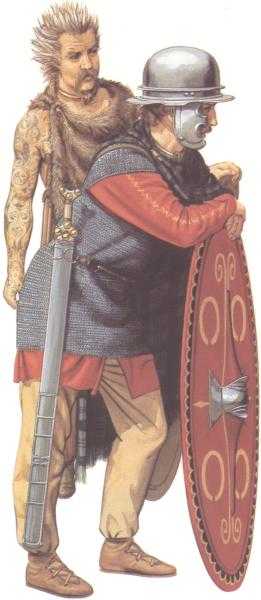
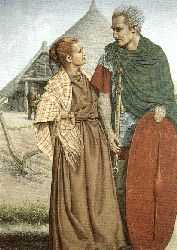
| Many historians claim that plaid clothing was not even used by Celtic peoples until the seventeenth century or even later;however, Roman testimony acknowledges "Longhaired" Celts in checkered pants. It may well be that the patterns lacked the sophistication of those developed in the Scottish Highlands hundreds of years later, but the basic checkered patterns were already a long established Celtic art. This art of checkered pattern clothing could go back several thousand years to communities settled on the egde of the Black Sea, before the overflow of the Mediterreanean Sea into that once great lake. | |||||||||||||||||||||||||||||||||||||||||||
![]() |
|||||||||||||||||||||||||||||||||||||||||||
![]() |
![]() |
||||||||||||||||||||||||||||||||||||||||||
| Aravaipa Learning Community | |||||||||||||||||||||||||||||||||||||||||||
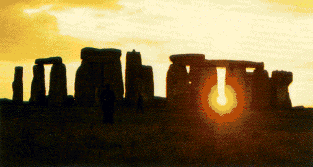
| Stonehenge was an important ceremonial setting for the Druids. The origins of Stonehenge go farther back than the Celts and may have been built by the Beaker Culture that once dominated western Europe. For more on Stonehenge click the picture below. | |||||||||||||||||||||||||||||||||||||||||||
![]() |
|||||||||||||||||||||||||||||||||||||||||||
| Next Page | |||||||||||||||||||||||||||||||||||||||||||
| Home Page | |||||||||||||||||||||||||||||||||||||||||||