 Meet The Counselor
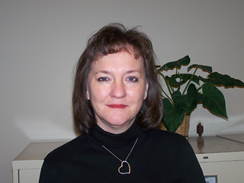
Jana MacClane
Jana MacClane has been in the New Caney Independent School District since 1985. She earned her Bachelor of Arts in teaching from Sam Houston State University in 1984. Elementary education was her major and math her minor. She taught 5th, 6th, and 7th grade Math, Science, and Social Studies for 16 years before earning her Masters of Counseling from Sam Houston in 2004. She has been the counselor at Keefer Crossing Middle School for the past seven years!
Email: [email protected]
 Try these links!
www.collegefortexans.com
www.bls.gov/oco
http://www.all4ed.org/about_the_crisis/promotingpower
www.freevibe.com
School Counselors
Professional School Counselors implement a comprehensive school counseling program that promotes and enhances student achievement through a guidance curriculum, individual planning strategies, responsive services and comprehensive school counseling program support/advocacy. A fully-implemented district-wide comprehensive school counseling program meets the needs of 100% of the students—just as the district's mathematics program is for 100% of the students. Professional School Counselors, in most states, have earned a Master's degree in guidance and counseling with an emphasis in school counseling. They are employed in elementary, middle/junior high and high schools and in district supervisory, counselor education and post-secondary settings. Their work is varied, with attention focused on developmental stages of student growth, including the needs, tasks, and student interests related to those stages.
Psychology Professional School Counselors meet the needs of student in three basic domains: academic development, career development, and personal/social development. Knowledge, understanding and skill in these domains are developed through classroom instruction, appraisal, consultation, counseling, coordination, and collaboration. For example, in appraisal, school counselors may use a variety of personality and vocational assessment methods to help students explore vocation needs and interests. Classroom guidance lessons are designed to be preventive in nature and include self-management and self-monitoring skills. The Responsive Services component of the Professional School Counselor's role provides individual and/or small group counseling for students. For example, if a student's behavior is interfering with his or her achievement, the Professional school counselor will observe that student in a class, provide consultation to teachers and other personnel to develop (with the student) a plan to address the behavioral issue(s), and then work together (collaboration) to implement the plan. They also help by providing consultation services to family members.
Additionally, professional school counselors may lead classroom guidance on a variety of topics within the three domains such as personal/social issues relative to student needs, or establish groups to address common issues among students, such as divorce or death. Often counselors will coordinate outside groups that wish to help with student needs such as academics, or coordinate a state program that teaches about child abuse or drugs, through on-stage drama.
In middle school counseling, the professional school counselor typically is less engaged in classroom instruction than in Individual Planning (for high school and beyond). Individual and small group responsive services (e.g. counseling) continue. Middle School counselors must address the social/emotional issues that arise among this age group, especially peer pressure, bullying, depression and academic challenges. Also, the counselor usually spends time on vocational exploration and assessment with seventh and eighth grade students as they prepare for high school.