
























| KB-29 Units | KB-50 Units | KC-97 Units | KC-135 Units | KC-10 Units | Numerical List |
|---|
| KB-29M Photos | KB-29P Photos | KC-97 Photos | 905th AREFS |
|---|
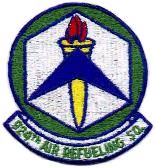
924th Air Refueling Squadron
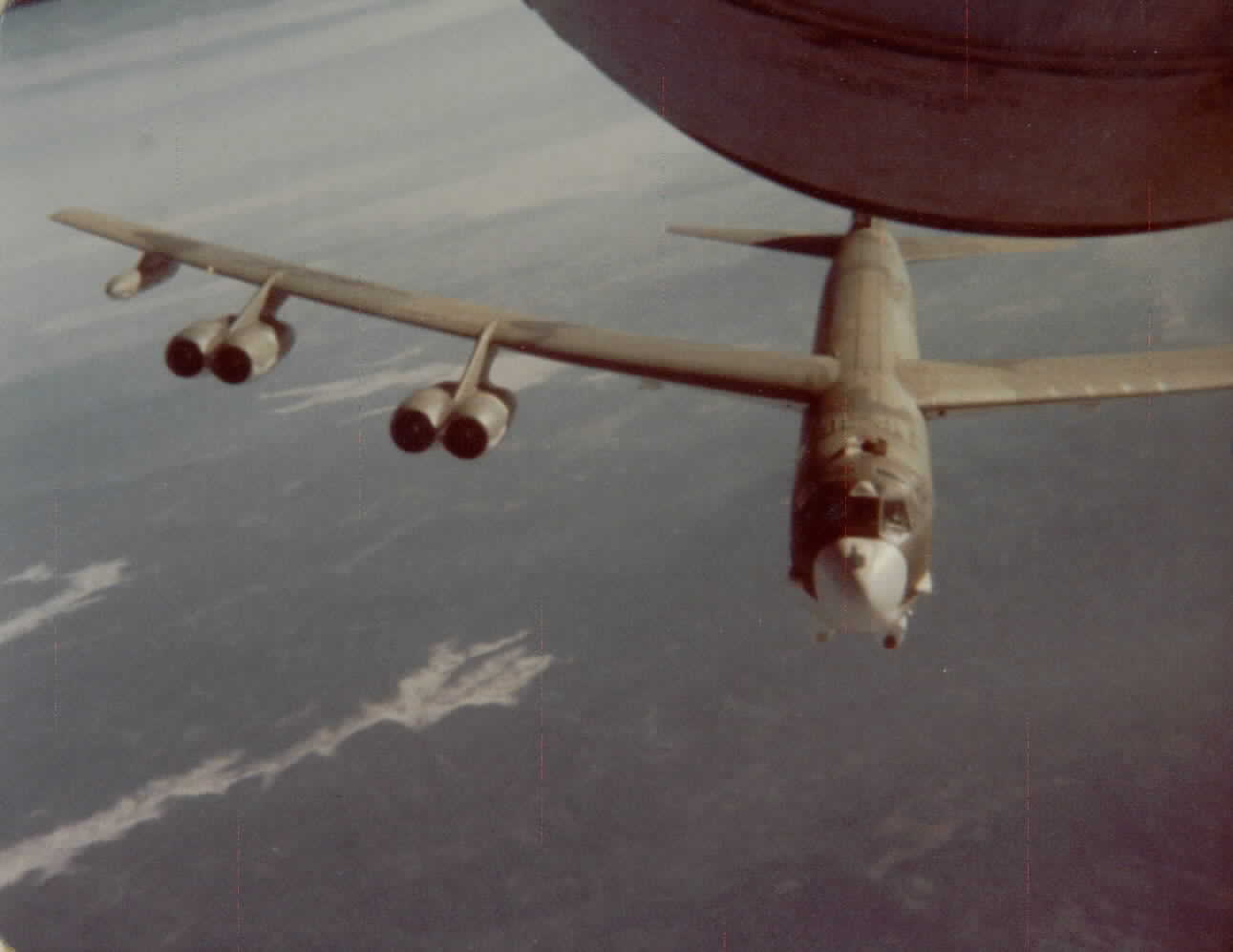
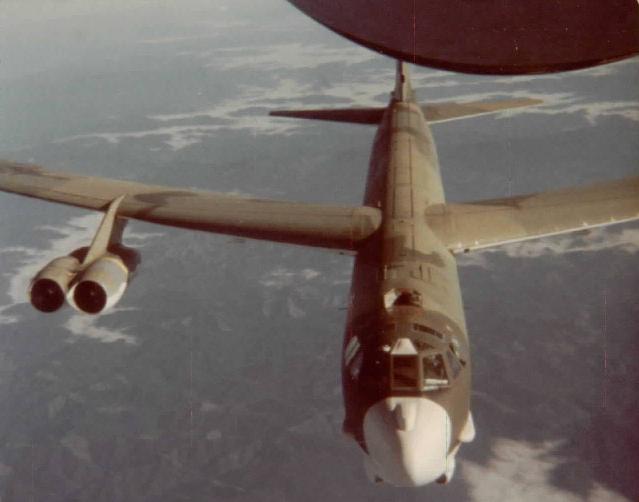
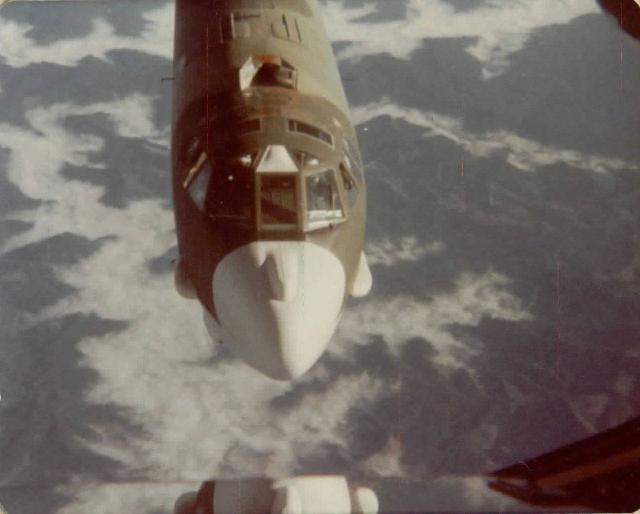
KC-135A
93rd Bombardment Wing
Castle AFB, California
01 Jul 1959-91
LINEAGE. Constituted 24th Ferrying Squadron on 6 Apr 1942. Activated on 19 Apr 1942. Redesignated 24th Transport Squadron on 19 Mar 1943. Disbanded on 13 Oct 1943. Reconstituted, and consolidated (19 Sep 1985), with the 924th Air Refueling Squadron, Heavy (constituted on 20 May 1959; activated on 1 Jul 1959).
ASSIGNMENTS. South Atlantic Sector, Air Corps Ferrying Command, 19 Apr 1942; 27th Army Air Forces Ferrying Wing (later, Caribbean Wing), 19 Jun 1942; 15th Ferrying (later, 15th Transport) Group, 31 Jul 1942-13 Oct 1943. 93rd Bombardment Wing, Medium, 1 Jul 1959-199?.
STATIONS. Morrison Field, Fla, 16 Apr 1942-13 Oct 1943. Castle AFB, Calif, 1 Jul 1959-199?.
AIRCRAFT. KC-135A, 1959-.
OPERATIONS. The 24th Ferrying Squadron (later, 24th Transport Squadron) processed primarily bombardment aircraft for ferrying overseas until it disbanded on 13 Oct 1943.
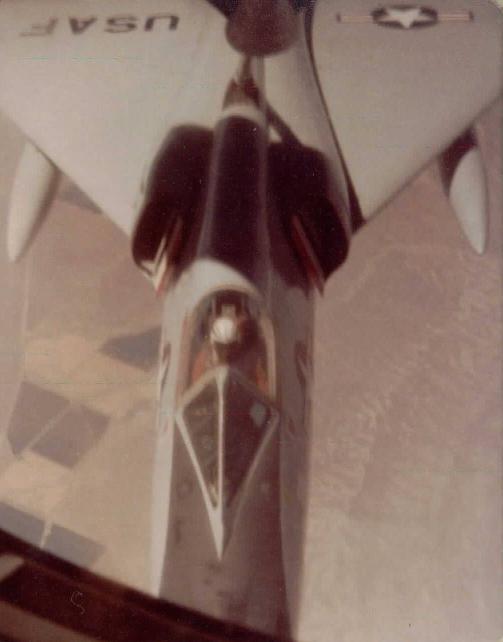
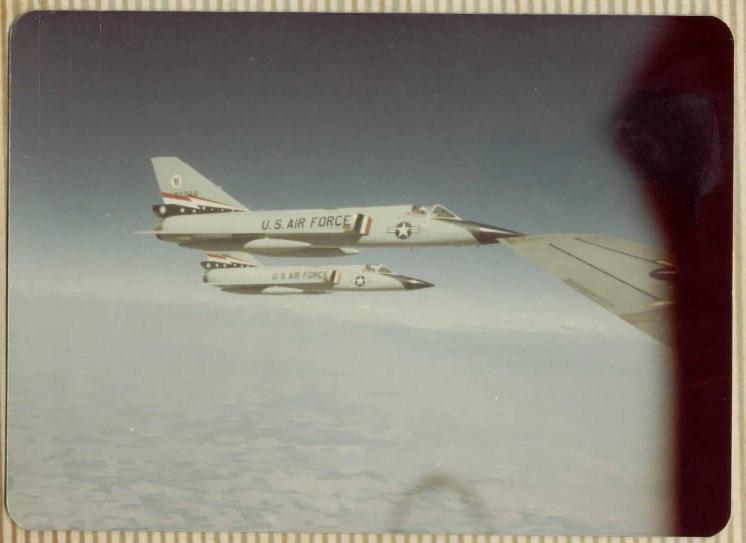
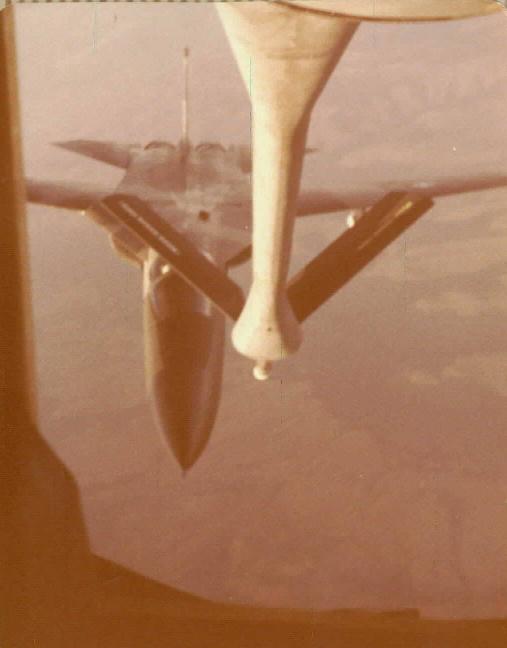
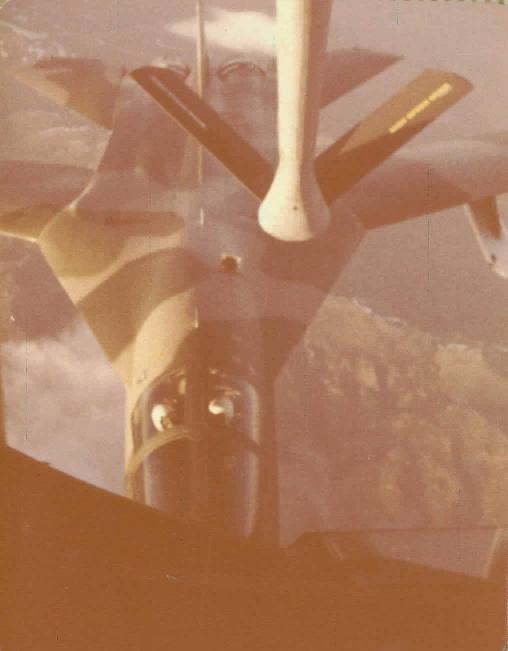
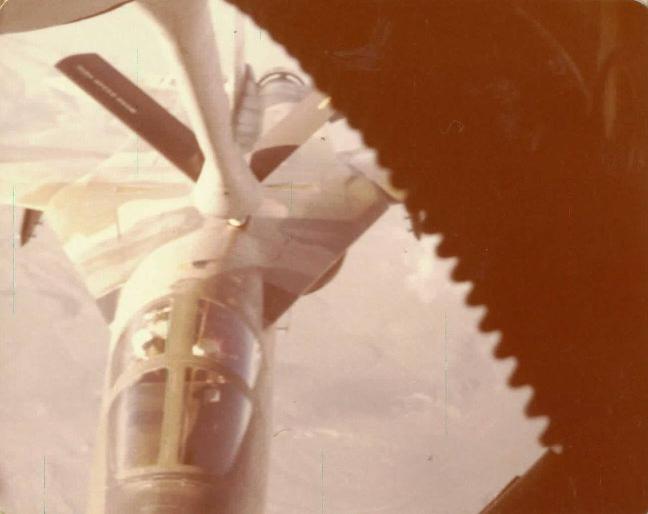
On 1 Jul 1959 the 924th Air Refueling Squadron, Heavy, activated at Castle AFB, Calif, under the 93rd Bombardment Wing, Medium, and began training crews to fly KC-135 aircraft on aerial refueling operations for the Strategic Air Command. From 1964 to 1967 the squadron�s primary mission shifted from training to tactical alert. It began refueling bombardment and fighter aircraft being deployed to Southeast Asia during 1965, and in Feb 1967 it conducted the first night refueling of the new F-111 aircraft. From 1967 until well into the 1970s the unit trained combat crews for Strategic Air Command while continuing to support the 93rd Bombardment Wing at Castle. (Castle AFB was used until Jan 1972 as a staging base for �Young Tiger� missions involving KC-135 operations in Southeast Asia.) In 1977 the squadron for the first time in ten years resumed regular alert activities in association with other units of the 93rd Wing. During the 1970s and 1980s the squadron often deployed aircraft to support tanker task forces in Europe, Alaska, and the Pacific. It supported the testing of air and ground launched cruise missiles and participated in a series of Strategic Air Command exercises to enhance preparedness. The squadron frequently provided refueling support for aircraft of various Air Force commands and occasionally for other services.
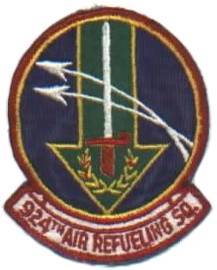
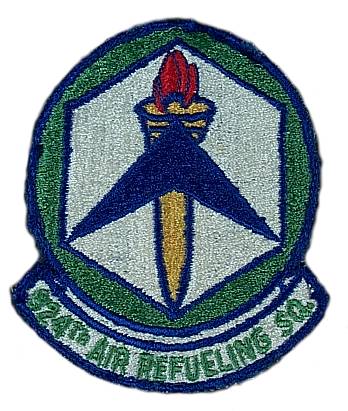
EMBLEM. Description. On a blue disc bordered red fimbriated gold issuing from the tip and extending to base a green arrow fimbriated gold bearing a gold arched wreath. Issuing from sinister two arched white contrails terminating in back of two white flight symbols ascending in dexter. Overall on the arrow a sword with point up, blade white detailed gray, handle and hilt red outlined gold, the handle within the wreath. Below the emblem a white scroll bordered red. Significance. The emblem is symbolic of the squadron and its mission. Against the blue background depicting the sky, the primary theater of Air Force operations, the green arrow refers to the parent wing of the squadron. The wreath represents the squadron�s achievements and is also symbolic of the squadron�s goal to maintain peace. The sword alludes to strength, and the aircraft symbolize the squadron�s primary mission of tactical air refueling. The emblem bears the Air Force colors, gold and ultramarine blue, and the national colors, red, white, and blue. Approved on 27 Aug 1965. Negative Numbers: K-11951 (color); 163838 USAF (black and white).
| KB-29 Units | KB-50 Units | KC-97 Units | KC-135 Units | KC-10 Units | Numerical List |
|---|
| KB-29M Photos | KB-29P Photos | KC-97 Photos | Tanker Aircraft |
|---|