 |
|
|
|
|
|
|
|
|
|
|
|
|
|
|
|
|
|
|
|
|
|
|
 |
|
|
|
COLOR COMPLEX |
|
|
|
|
|
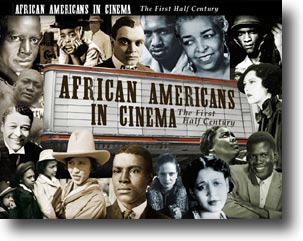
Beneath a surface of appearance of black solidarity lies a matrix of attitudes about skin color and features in which color, not character, establishes friendships; degree of lightness, not expertise, influences hiring; and complexion, not talent, dictates casting for television and film.(1) |
|
|
|
In the statement, the authors' clearly state one of the reasons people are chosen within the world of entertainment. People choose to adapt in order to get money rather than address this internalized system of conditions that resulted from slavery. One of the goals of slavery was to create division within the social structure of the community. This process is called color consciousness, which is the way African Americans "repond and associate to shades of Black skin."(1)
Dr. Frances Cress Welsing�s has an interesting theory on the fascination white people have with color. Her focus is why do Caucasian people try so hard to control Non-white populations. Her answer is simple: Whites came to realize that having "color was normal among most cultures and the absence of it was abnormal."(2) They set out to conquer individuals that had the qualities they lacked in order to erase feelings of inferiority.(2) Historian Frantz Fanon theory about identity also addresses the need for whites to justify their actions.(3) His theory is that whites dehumanized blacks to justify slavery since they could not "deliberately degrade their equals." They must create inferiority to prove their superior. Slavery not only created a system of oppression but also one of privileges. This dual action has caused more damage since African Americans are both hurt and rewarded by its usage. |
|
|
|
 |
|
|
|
|
|
African Americans must deal with the caste system that is based on how closely an individual resembles the European "ideal." The video by Kathe Sandler provides an excellent example of how to confront color consciousness within the African-American community. All African Americans are aware of their skin tone while the reasons do vary.(4) Those with darker skins can remember the countless times they have been devalued, while the lighter skin individuals are often praised by society. Yet being praised also results in ridicule on the basis of the presumed sense of superiority. |
|
|
|
|
"Ebony, coal black, skillet blond, redbone, high yellow, cinnamon, brown sugar."
These adjectives were chosen by African Americans for the purpose of describing their skin tone.(4) |
|
|
|
|
|
|
 |
|
|
|
1. Breland, Alfiee M. (1998) A model for differential perceptions of competence based on skin tone among African americans. Journal of Multicultural Conseling & Development, 26 (4), 294-312.
2. Russell, Kathy; Wilson, Midge; and Hall, Ronald. The Color Complex: The Politics of Skin Color Among African Americans. New York: Anchor Books, 1992
3. Kambon, Kobi K. K. African/Black Psychology in the American Context: An African-centered Approach. Florida: Nubian Nation Publications, 1998. (p. 328)
4. Sandler, Kathe. A Question of Color. San Francisco: California Newsreel, 1993 |
|
|
|
 |
|
|
|