

|
Every living organisms is capable of change due to some instances. Plants, animals and human beings are believe to undergo change due to the process of evolution. Non-livings things like the planets, stars, rocks, waters, computers, cell phones and any thing are still noted to undergo changes over time. Why this thing happen? |
|
Mutation |
|
Why life change? |
|
Mutations are changes in the DNA sequence of a cell's genome and are caused by radiation, viruses, transposons and mutagenic chemicals, as well as errors that occur during meiosis or DNA replication. They can be defined as sudden and spontaneous changes in the cell. There are four common categories of mutations: 1. DNA base substitution, insertion, and deletion 2.unequal crossing-over and related structural modifications of chromosomes 3.partial or complete gene inversion and duplication 4.irregular numbers of chromosomes |
|
Evolution is the process of change in all forms of life over generations, and evolutionary biology is the study of how evolution occurs. Thebiodiversity of life evolves by means of mutations, genetic drift and natural selection.
|
|
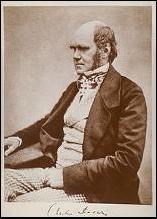
Charles Darwin the proponent of evolution theory and natural selection |
|
Many scientific studies were conducted to prove the theory that the origin of human came from homo sapiens the family of Apes. Around 1854, Charles Darwin began writing on about the origin of species. He believe that all species of life have descended over time from common ancestry. |
|
Natural Selection |
|
Evolution by means of natural selection is the process by which genetic mutations that enhance reproduction become, and remain, more common in successive generations of a population. It has often been called a "self-evident" mechanism because it necessarily follows from three simple facts: · Heritable variation exists within populations of organisms. · Organisms produce more offspring than can survive. · These offspring vary in their ability to survive and reproduce. |
|
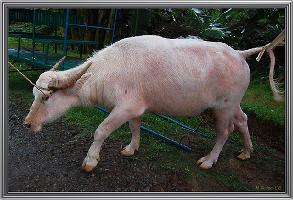
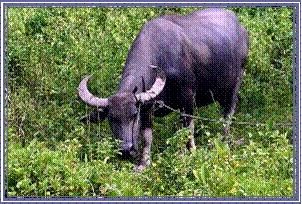
The white carabao is uncommon to their species |
|
Genetic Drift |
|
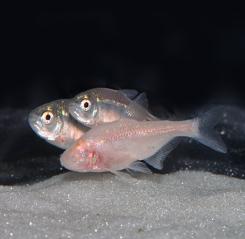
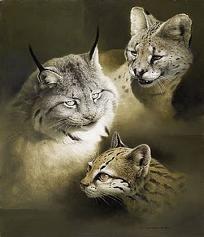
Genetic drift is the change in allele frequency from one generation to the next that occurs because of the role that chance plays in determining whether a given individual will survive and reproduce. Genetic Drift is when an animal changes appearance in order to lice without being harmed. For example if there are three green bugs and three brown bugs, the human is going to smash the brown ones because they are a lot more noticeable in the grassy areas. |
|
Animals changes appearance in order to lice without being harmed |
|
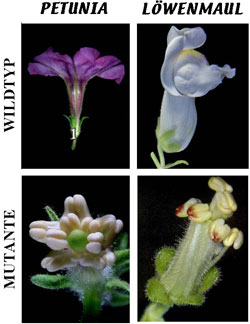
Mutation in a microRNA converts petals to stamens. The mutants of petunia and snapdragon show marked similarity. |
|
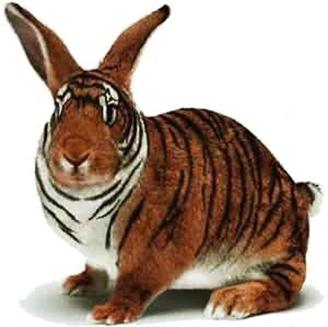
A mutation of rabbit |
|
Gene Flow |
|
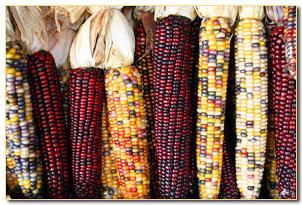
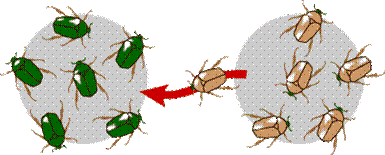
Gene flow is the exchange of genes between populations, and between species. Examples of gene flow within a species include the migration and then breeding of organisms and the exchange of pollen. Gene transfer between species includes the formation of hybrid organisms and horizontal gene transfer. |
|
Hybrid corn plants |
|
Gene flow in beetle populations |
|
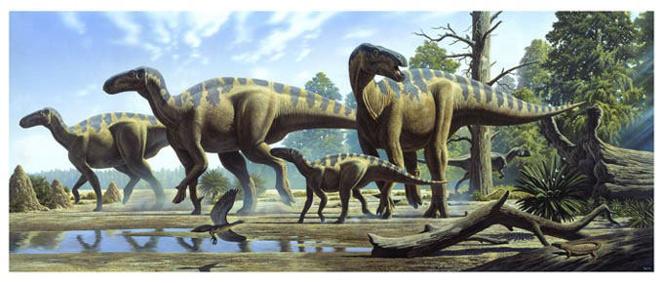
The Mesozoic Era 250 to 65 Million Years Ago |
|
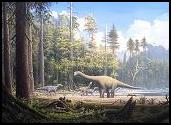
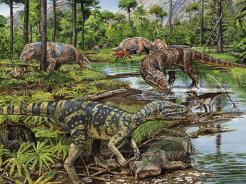
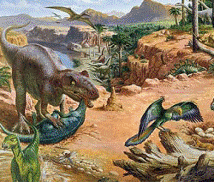
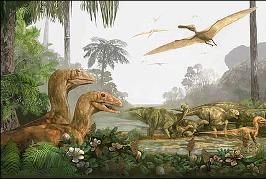
The Mesozoic Era is an interval of geological time from about 250 million years ago to about 65 million years ago. It is called the Age of Dinosaurs because of its association with non-avian dinosaurs. The Chicxulub impact and other events ended the era when a majority of species on earth went extinct.
The Mesozoic Era is separated into three geologic periods. From oldest to youngest: · Triassic (251.0 Mya to 199.6 Mya) · Jurassic (199.6 Mya to 145.5 Mya) · Cretaceous (145.5 Mya to 65.5 Mya)
|
|
Triassic Dinosaurs (251.0 Mya to 199.6 Mya) |
|
Jurassic period (199.6 Mya to 145.5 Mya) |
|
Cretaceous (145.5 Mya to 65.5 Mya) |
|
Fossils |
|
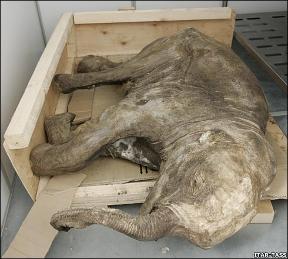
Baby Mammoth Preserved in the Permafrost of Northwestern Siberia |
|
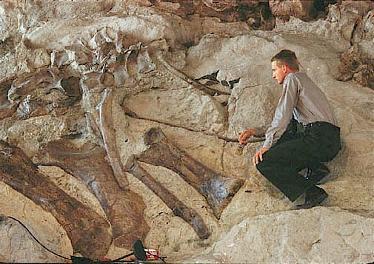
Dinosaur NM quarry showing dinosaur fossils. 1959 Photo NAU. |
|
There are four common mechanisms of evolution, the natural selection, genetic drift, mutation and the gene flow. |
|
Works Cited |

|
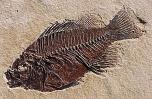
Fish Fossil |
|
MESOZOIC ERA |
|
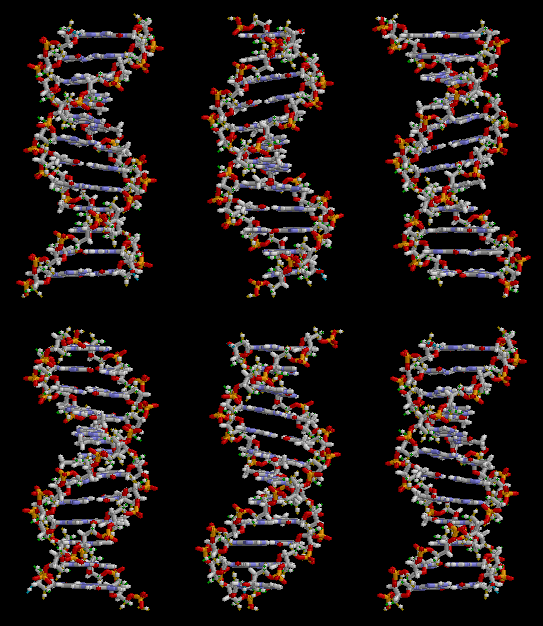
DNA |

