|
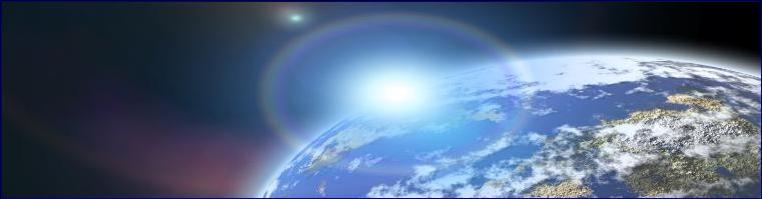
Earth is currently the only astronomical body where life is known to exist. Earth is the third planet from the Sun. Earth's outer surface is about 71% covered with salt water oceans and the remaining consists of continents and islands. |

|
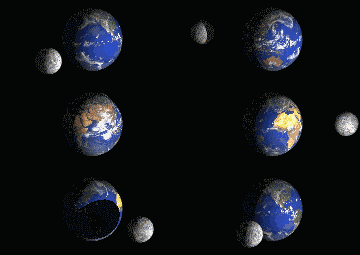
Earth rotates on its axis causing day and night |

|
"The Blue Marble" photograph of Earth, |
|
Body in Motion |
|
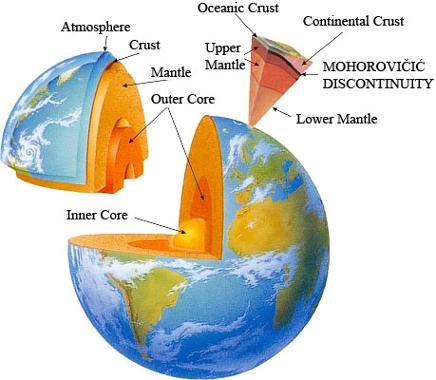
Earth’s Composition |
|
Cross section of the structure and composition of the earth |
|
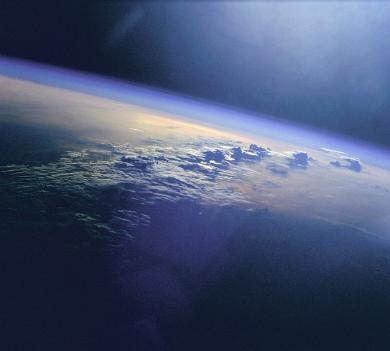
The earth’s atmosphere compose of 78% nitrogen and 21% oxygen, with trace amounts of water vapor, carbon dioxide and other gaseous molecules. |
|
Earth’s atmosphere |

|
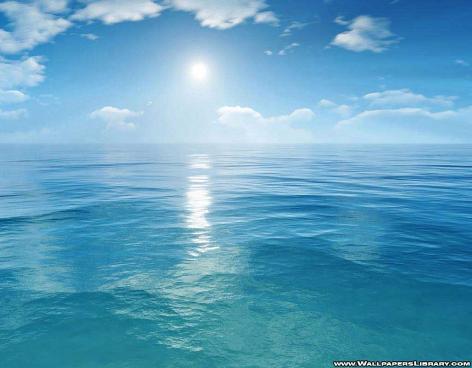
Ocean current |
|
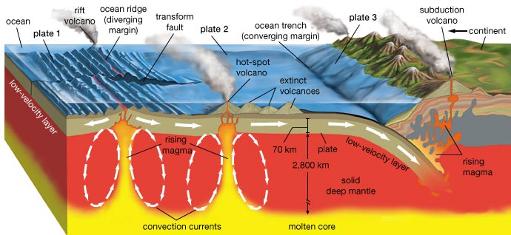
Two plates colliding with each other |
|
The Lithosphere |
|
Hydrosphere |
|
Atmosphere |
|
The mechanically rigid outer layer of the Earth, the lithosphere, is broken into pieces called tectonic plates. These plates are rigid segments that move in relation to one another at one of three types of plate boundaries: Convergent boundaries, at which two plates come together, Divergent boundaries, at which two plates are pulled apart, and Transform boundaries, in which two plates slide past one another laterally. Earthquakes, volcanic activity, mountain-building, and oceanic trench formation can occur along these plate boundaries. |
|
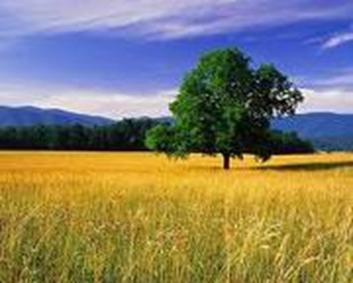
Land is the habitat most of the living organisms especially humans. Aside from habitat, land is also the source of food and other essential elements in order to survive and reproduce for the continuity of live. |
|
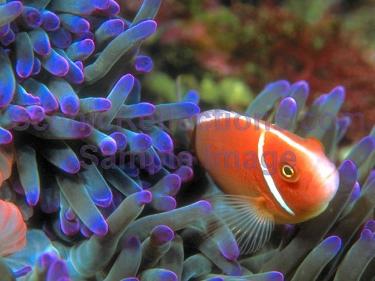
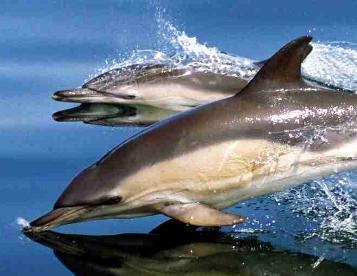
Water serves as the home of all species of fish and corals. They get their food there and lay eggs in the corals during their reproduction. |
|
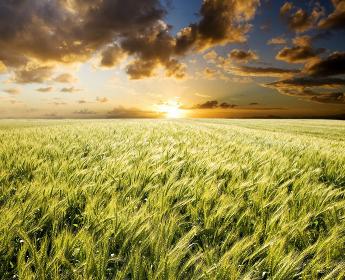
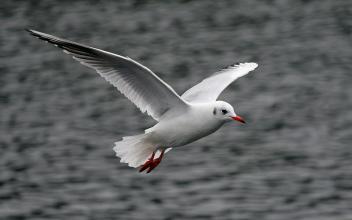
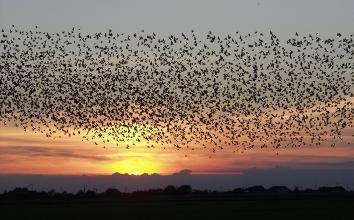
Birds able to fly in the atmosphere due to the abundant air and helps them migrate from one area to another. Air use by animals and human for breathing. |
|
Works Cited |

|
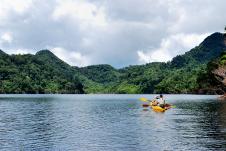
Sibulan Twin Lake: Balinsasayaw Lake |
|
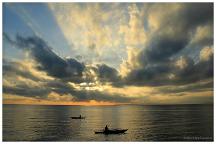
Morning sky view. Photo by Hersley Casero |