Kaoru Ishikawa
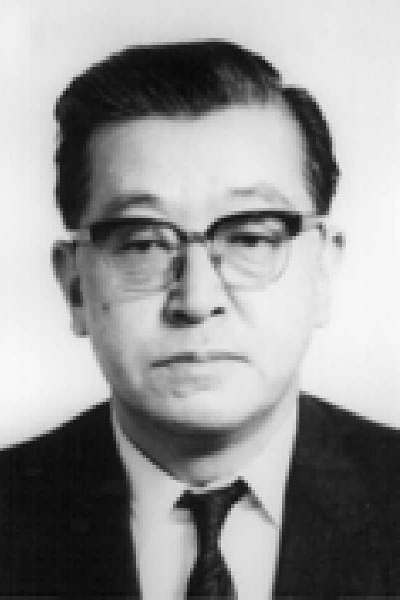
Kaoru Ishikawa wanted to change the way people think about work. He urged managers to resist becoming content with merely improving a product's quality, insisting that quality improvement can always go one step further. His notion of company-wide quality control called for continued customer service. This meant that a customer would continue receiving service even after receiving the product. This service would extend across the company itself in all levels of management, and even beyond the company to the everyday lives of those involved.
Ishikawa developed the cause and effect diagram (also called the "Ishikawa" or "fishbone" diagram). With the use of this new diagram, the user can see all possible causes of a result, and hopefully find the root of process imperfections. By pinpointing root problems, this diagram provides quality improvement from the "bottom up."
Ishikawa also showed the importance of the seven quality tools: control chart, run chart, histogram, scatter diagram, Pareto chart, run chart and flowchart.
Additionally, Ishikawa explored the concept of quality circles-- a Japanese philosophy which he drew from obscurity into world wide acceptance. .Ishikawa believed in the importance of support and leadership from top level management. He continually urged top level executives to take quality control courses, knowing that without the support of the management, these programs would ultimately fail.