 |
|
|
|
|
|
|
|
|
|
|
|
|
|
|
|
|
|
|
|
|
|
|
|
|
|
|
|
|
|
|
|
|
 |
|
|
|
|
|
How the heart works |
|
|
|
|
|
|
|
 |
 |
 |
 |
 |
 |
|
|
 |
|
|
|
Ok, now you have a basic understanding of the heart's anatomy (unless you already knew it, which is great). It's time to understand how the heart works. This section of the tutorial will show the very basic functions of the heart, and once you master this page, you're ready for the conduction system and, if you're brave, the cellular function of the heart and a little EKG reading. (Be patient, as I haven't made those pages yet, but they are in the "designing" phases) |
|
|
|
Let's start out defining what the heart does. The heart is a muscular organ that pumps blood throughout the body. Simple, right? We'll see... |
|
|
|
 |
|
|
|
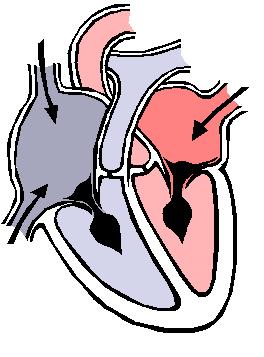
First, the atria fill with blood from both vena cava and the lungs. On the right side of the heart (the left side when you're facing it) is unoxygenated blood headed to the lungs. On the left side, however, is blood that has received oxygen from the lungs and is ready to be distributed to the rest of the body. |
|
|
|
|
|
 |
|
|
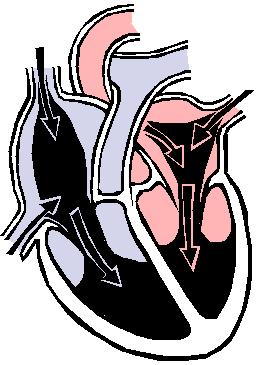
After the atria fill, they contract and send blood into the ventricles. The valves in the heart are very important at this point, since they prevent blood from flowing backward. |
|
|
|
|
|
|
Click here to go to the next page |
|
|
|
 |
|