FINE DINING
Wonderful Tidbits about the exciting adventure that are known as Chinese Culture and Cuisineunknown
The Importance of Yin-Yang Philosophy in Chinese Food
Sally Gao | Updated: 23 January 2017
One of the key principles of Chinese thought is the duality of yin and yang. Stemming from Taoist philosophy, this principle is embedded in Chinese culture, from traditional medicine to martial arts to food. Read on to learn what that means for the balance of flavors, ingredients and cooking techniques that go into an authentic Chinese meal.
What is Yin-Yang Philosophy?
The concept of yin and yang states that everything in the universe is composed of two opposing but complementary forces. Everything that is yin necessarily has a corresponding yang, such as night and day, or hot and cold.
The yin and yang symbol | © Travis Simon/Flickr
The yin and yang symbol | © Travis Simon/Flickr
Things that are said to contain a lot of yang energy tend to be warm, strong, masculine and bright, whilst yin is associated with things that are feminine, cool, soft and dark. However, it’s important to note that both yin and yang are present in everything. When we say something is yin or something is yang, we mean it in relative terms. Nothing is purely yin, or purely yang.
What Kinds of Food are Yin, and What Kinds of Food are Yang?
5 TIPS ABOUT CHINESE DRINKING CULTURE
Jinna Wang | March 25, 2016April 2, 2014
Perhaps you are a corporate manager who is about to attend a few business dinners in China, or maybe you are meeting your significant other’s family at a dinner in Shanghai. Either way, you have a strong sixth sense that lots of drinking is involved during these Chinese social events. And you would be right.
DIFFERENCES IN CHINESE DRINKING CULTURE VS. WESTERN DRINKING CULTURE
There are a few differences that we outlined below, such as the alcohol of choice. However the general difference is this: In Western culture, a large emphasis is put on the beverage itself. Wine-tasting is a huge entertainment component in many Western countries. At more elaborate dinners, an extensive wine and liquor list is presented.
In Chinese culture, a heavier emphasis is put on the people. Who you drink the wine or liquor with is more important than the actual drink.
Depending on the type of person you are, Chinese drinking culture might seem fascinating, intimidating, confusing, or any combination of the three. To soothe any worries you might have about drinking in China, we put together this multi-faceted guide to demystify Chinese drinking culture. By the end of this read, you should have a solid idea of how drinking is done at Chinese social events.
1. WHAT YOU WILL BE DRINKING
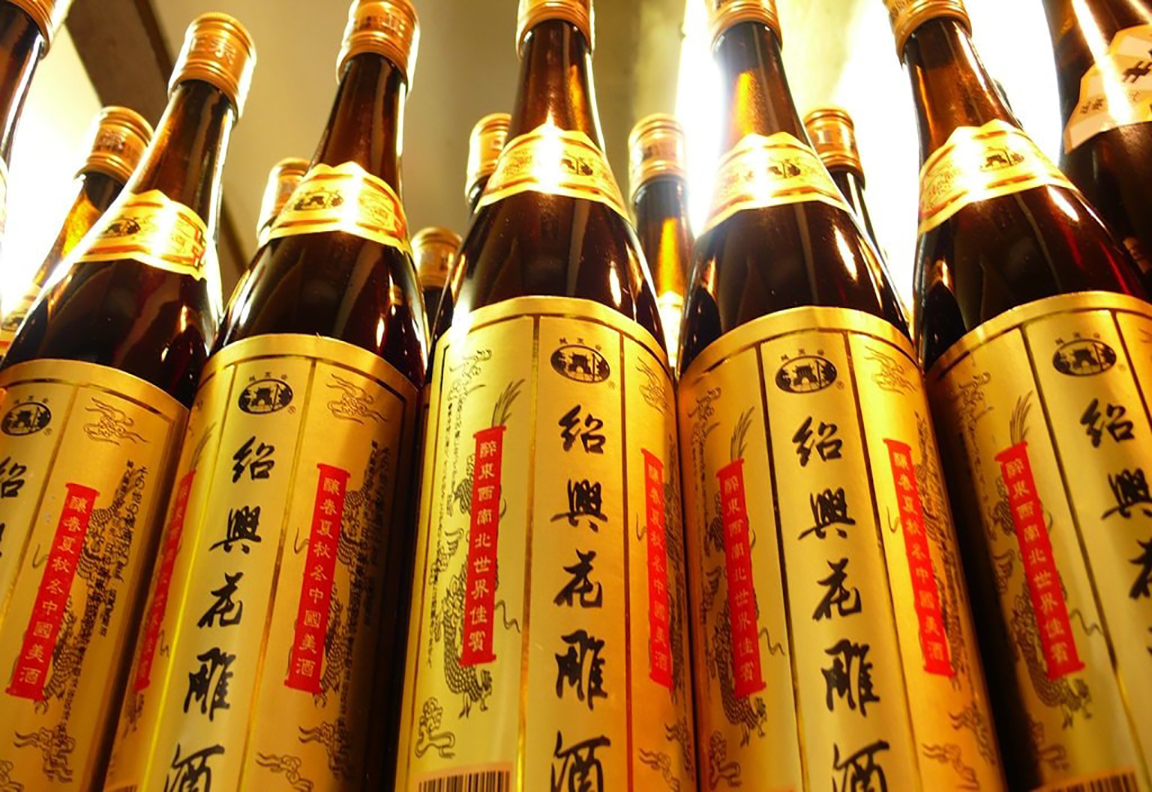
Baijiu 白酒 (bái jiǔ) – Also called sorghum wine, Baijiu is the drink of choice for business dinners in China. This clear liquor is as intoxicating as tequila, with the added burning stench of rubbing alcohol. The most popular brand of Baijiu is Maotai, which can be as strong as 60% alcohol-by-volume (compared to an average vodka at 40% ABV.)
Red Wine 红酒 (hóng jiǔ) – Red wine has increased in popularity at Chinese dinner tables in recent years along with the rising interest in luxury goods. Popular choices include top French wines such as Lafit or Latour.
5 Interesting Facts About Fortune Cats (Maneki Neko)
JHolly Tse | Jun 7th 2017
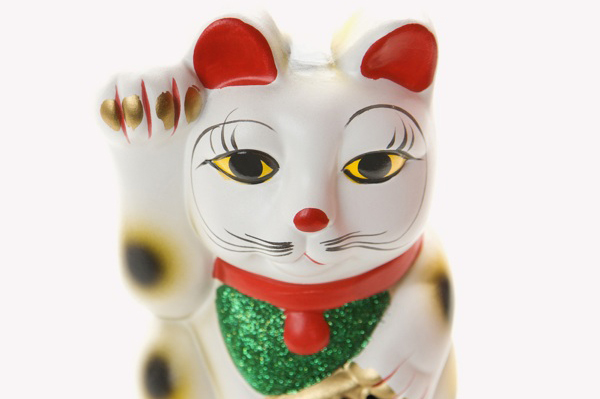
If you’ve ever visited a Chinese or Japanese restaurant, Asian supermarket, or any Chinatown shop for that matter, you’ve probably noticed a little cat figurine perched quietly by the cash register. This Fortune Cat, or Maneki Neko, is a lucky charm that’s very popular in Japanese and Chinese cultures. It’s a talisman that is believed to attract good luck and fortune for its owners. Thus, it’s very common to find one on display in stores, restaurants and other businesses.
Aside from finding it really cute, I never knew the meaning behind the “Fortune Cat” other than it was supposed to be lucky. Being a curious cat, I decided to delve further and uncovered five interesting facts about the cheeky little Maneki Neko.
A group of Maneki Neko, or lucky cats.
1. What Maneki Neko Means
Fortune Cat is known as Maneki Neko in Japanese, which means “beckoning cat.” The cat has its paw raised as if it’s waving in good fortune for its owners. Other common monikers include Lucky Cat, Money Cat, and Welcoming Cat.