Jazz, in it's most vague definition, is music that is syncopated and contains improvisation. Syncopation means that that notes that should be played evenly are not. If you've ever heard bands like the Cherry Poppin' Daddies or the Brian Setzer Orchestra, you've heard syncopation. Improvisation, or soloing, means making up and playing a new melody on the spur of the moment. The person improvising is called the soloist. Improvisation is the core of jazz, and it has produced some of the most beautiful music ever heard. Almost every musician in any given group has the ability to improvise. These two rules are very vauge, however. Not all jazz contains improvisation and some styles of jazz have almost no syncopation. But don't worry about this just yet. When you become a more experienced listener, you'll be able to tell what is jazz and what isn't
Jazz is divided up into several styles, all of which contain syncopation and improvisation in some form. Swing, or big band, is one specific jazz style. Other styles include Dixieland jazz, hot Jazz, bebop, soul jazz or hard bop, modern jazz, fusion, free jazz, smooth jazz, and acid jazz. (Author's Note: While many people like smooth jazz, most real jazz fans don't. So if your friends who are already hip are discussing jazz and you blurt out something about Kenny G, be prepared for some strange looks.)
Before we get into learning about jazz songs in Part 2, you should know what instruments are used in jazz. Jazz instruments are divided into two groups: rhythm instruments, which keep the beat and play the backgrounds for the soloists, and melodic instruments, which play the melody and do most of the soloing. A group of rhythm instruments is called a rhythm section.
The two sections interact exactly as they do in a rock band. In a rock band, The drums, bass, keyboards and rhythm guitar, or the rhythm section, back up the lead guitarist or the singer, who would be the melodic instrument. While the rhythm section can play without the melody and the melody can play without the rhythm section, they don't do it for very long. And while the melody takes the spotlight most of the time, it occasionally gets out of the way of the other instruments to let them soak up the attention. To apply this format to jazz, take the keyboard and and rhythm guitar out and replace it with a piano, and replace the singer or lead guitarist with a saxophonist and a trumpet player.
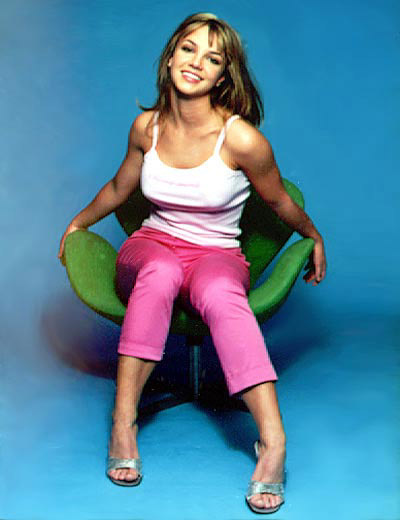
I know what you're thinking. I said that Britney Spears had something to do with this section, and I haven't even mentioned her yet. So where is she? Well, she doesn't appear in earnest till the next page. But until then, how about a Britney picture to cheer you up?
I can feel a surge in your motivation already! Let us continue.
By the way, if you've asked yourself why jazz is called jazz, I've got an answer. When jazz first hit New York City, it was called "jass", which is derived from a French word. Why a French word? Because jazz originated from New Orleans, which has a large amount of French speakers. Anyway, the people arranging the "jass" concerts in New York went and posted signs all around town advertising the event. Well, a bunch of wiseacres went out and crossed off the "j" on all of the signs. The next time there was a concert in New York, they called it "jazz" instead. And the name stuck.
Here then are the instruments, grouped by category.
RHYTHM INSTRUMENTS
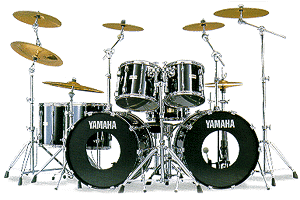
Drums: A necessity in any ensemble. Keeps the time throughout a piece and adds accent to important points in the piece. Famous Drummers: Max Roach, "Philly" Joe Jones.
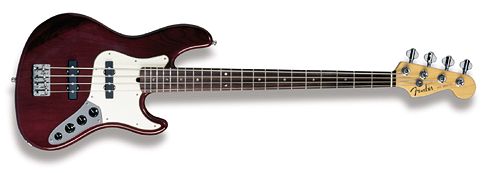
Bass: Also a necessity, although it is usually replaced by a tuba in Dixieland. Keeps the beat along with the drums, and also plays notes that help the improviser do his work. Used to always be an acoustic stand-up bass, but an electric bass is common today as well. Famous Bassists: Ray Brown, Charles Mingus.
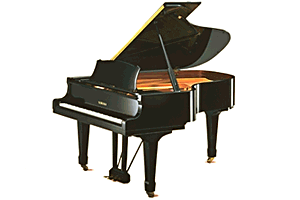
Piano: A very important part of any band. Plays chords like a rhythm guitar would in a rock band, and also gets to improvise quite a bit. Could be an electric keyboard as well. Can be replaced or accompanied by a guitar. Famous Pianists: Red Garland, Thelonious Monk. Jazz Musician With The Best Name Who Happens To Be A Pianist: Dodo Maramosa.
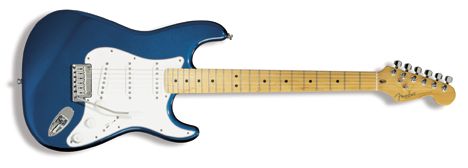
Guitar: Essentially has the same job as the piano, but carries the melody as well on occasion. Always an electric guitar. Famous Guitarists: Wes Montgomery, Grant Green.
Auxiliary Percussion: Almost anything you hit that isn't a set of drums. Includes bongos, vibes, marimbas, shakers, claves, cowbells, triangles, your pet Chihuahua... Just kidding! No standout artists in this area, however.
MELODIC INSTRUMENTS
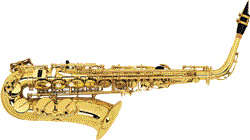
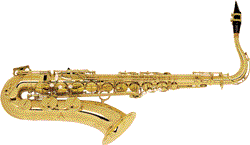
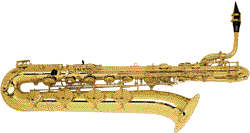
Saxophones: Saxophones come in four sizes, listed here in order from smallest to largest: soprano, alto, tenor, and bari (short for baritone, but don't use the full name. Trust me). When hip people talk about saxophonists, they don't say "tenor saxophonist". The say "tenor player" or "tenor man" (and yes, if Miss Spears played tenor, I'd call her a "tenor girl"). It's easy to play lots of notes very quickly on any of the saxophones. Infamous Soprano Player: Kenny G (Ugh!). Famous Alto Players: Charlie Parker, Cannonball Adderly. Famous Tenor Players: Sonny Rollins, John Coltrane, Dexter Gordon, Stan Getz. Famous Baritone Player: Gerry Mulligan.

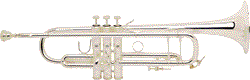
Trumpet: The most recognizable jazz instrument. Known for being able to play in very high pitches and for causing egos to swell to enormous sizes. Sometimes replaced with a flugelhorn, a sort of bugel/trumpet combination, for slower tunes. Famous Trumpet Players: Louis Armstrong, Dizzy Gillespie, Miles Davis, Maynard Furgeson.
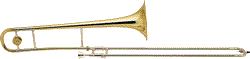
Trombone: The lowest pitched of the melody instruments, and the least popular. Doesn't get to see much action outside of big band. Famous Trombonist: Tommy Dorsey.
Vocalist (aka singer): A vocalist was a key component in swing bands when swing was in it's prime, in the 40's. While singers generally don't get much press in the jazz world, Diana Krall remains an excellent exception. She was the only jazz artist nominated for a Grammy in 2000. A jazz singer improvises by singing scat, or turning the notes into sounds (example: doodly-oop-bop-a-doo-dop is an example of scat.) Vocalists are generally given a break from soloing duties. Famous Vocalists Who Are Really Lame Now That Their Music Has Been Played So Much: Frank Sinatra, Bing Crosby. Truly Great Vocalists: Billie Holiday, Ella Fitzgerald, Louis Armstrong (Yup, the same guy).