

The dodo (RAPHUS CUCULLATUS), a large flightless bird found only on the island of Mauritius, was originally described in 1598. It had become extinct less than 80 years later as a result of the adverse impact of European settlers and their domestic animals. About the size of a turkey, the bird had a large hooked bill, undeveloped wings and tail, and short, thick, yellow legs. It laid a single, large egg in a ground nest made of grass.Dodo weighed between 10.6 and 17.5 kilograms.
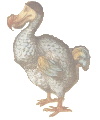
Since the birds were easy to capture, Dutch colonists, along with sailors and visitors, soon consumed most of the dodo population. Animals they brought with them, especially dogs, cats, and pigs, ate the fledglings and broke the dodo eggs to consume the yolks. By 1681, the dodos were all gone.
The dodo shared a common ancestor with the pigeons that populate the streets of our cities (seems strange doesnt it). But the dodo evolved, over time, into a bird that looked nothing like the pigeon.When an ancestor of the Dodo landed on Mauritius, it found a habitat with plenty of food and no predators. It therefore did not need to fly, and, as flying takes a great deal of energy, it was more efficient for the bird to remain on the ground. Eventually, the flightless Dodo evolved .