Addiction, as characterized by the Diagnostic and Statistical Manual for Mental Disorders and other sources, is a physical and/or psychological dependence on a substance. This dependence is usually reinforced by the chemical effects of the substance which can increase tolerance to the drug and induce strong withdrawal symptoms in the absence of the drug.
Decades of research on tobacco has identified nicotine as the core addictive component in cigarettes and other similar products. It acts directly on the Central Nervous System after being absorbed into the blood stream affects levels of important neurotransmitters.
Nicotine, whether it is smoked, inhaled, or ingested via mucous glands enters the blood stream and is transported to the brain. Once in the brain, nicotine molecules attach themselves to the neurotransmitter acetycholine. The binding of the two substances activates nicotine-specific sites called nicotinic acetylcholine receptors (nAChR), which are located near dopamine-releasing mechanisms. Once activated, these receptor sites stimulate bursts of dopamine into synaptic ion channels, resulting in a continuous (albeit short-term) flood of dopamine into its receptor sites. With repeated nicotine exposure and activation of nAChR, the chemical effects of the sites will begin to replace the body's natural dopamine-release reaction. As the section Effects of Nicotine Addiction will discuss in depth, nicotine itself does not directly harm the human body; other chemical additives in tobacco products have negative effects.
The distinguishable characteristics of nicotine addiction are the psychological dependence traits that are present. Nicotine addiction, like alcohol, THC (cannabis), cocaine and other illicit drugs, involves neurochemical changes that help form a dependence on the addictive substance in a particular drug. But aside from the synaptic reward system, no level of nicotine use (frequency or longevity) results in intoxication--one cigarette in a day or an entire pack in a day. This a trend common to all tobacco products containing nicotine, supporting the evidence that nicotine is primarily a neuropsychologically addictive drug (Lukas). In contrast, the aforementioned drugs create feelings of euphoria, perceptual distortion, hallucinations, and other physical effects that increase the probability of repeated use. While some personal reports indicate that a small percentage of users experience lightheadedness and a calming effect from tobacco products, the most common effects include increased blood pressure, loss of concentration, and restlessness; benefits from nicotine use are primarily perceptual.
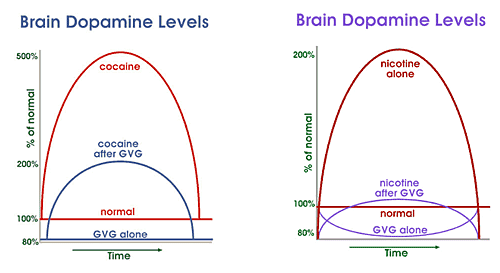
Unregulated, illegal drugs such as cocaine can increase the amount of dopamine in the brain by as much as 500% (www.nida.nih.gov). Nicotine instigates levels of dopamine around 200% higher than normal levels; although less chemically affective, it is still regarded as one of the most highly addictive substances available due partly to other factors. Unlike most drugs, nicotine is legal throughout the world. Nicotine is widely available in mass-produced tobacco products and is a significant component in the economies of some countries. Cigarettes and other products are widely promoted and advertised in the media, and thus constantly exposed and accessible to the public. |