
 |
 |
 |
 |
 |
 |
 |
 |
 |
Medicine
Jamaica Dogwood
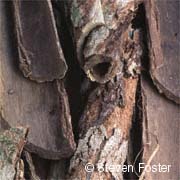
Jamaica dogwood ( Piscidia erythrina/Piscidia piscipula ) is best known as a traditional remedy for treating neuralgia (severe, stabbing nerve pain), migraine, insomnia, anxiety, fear, and nervous tension. As early as 1844, Western scientists discovered that Jamaica dogwood had pain-relieving and sweat-promoting properties. More recent scientific studies have also revealed that bark extracts of this plant have anti-inflammatory, sedative, and anti-spasmotic (helps relieve smooth muscle spasms along the digestive tract) effects in animals.
It is important to note that Jamaica dogwood is a highly potent herb with potentially toxic effects if used in large amounts. Jamaica dogwood has been used extensively throughout Central and South America as a fish poison. This herb also contains a substance known as rotenone that has been used in insecticides to control lice, fleas, and larvae. However, rotenone is believed to be relatively harmless to warm-blooded animals including people (when used at recommended doses).
Plant Description
Jamaica dogwood is native to Central America, Florida, and the West Indies, and can now also be found in Texas, Mexico, and the northern part of South America. The plant's characteristic pods bear four projecting longitudinal wings. The bark is yellow or grayish brown on the outer surface, and lighter colored or white on the inner surface. The Jamaica dogwood's distinctly acrid and bitter taste causes a burning sensation in the mouth, and the bark gives off an unpleasant odor.
Parts Used
The medicinal part of the Jamaica dogwood plant is the bark.
Medicinal Uses and Indications
Animal studies have shown that Jamaica dogwood may promote sleep, relieve pain, reduce smooth muscle spasms, relieve cough, and reduce fever and inflammation.
A professional herbalist may recommend Jamaica dogwood for the following health problems:
- Anxiety
- Cough
- Dysmenorrhea (painful menstruation)
- Insomnia
- Headache
- Nerve pain
- Toothache
It is important to note that there has been little to no scientific research on Jamaica dogwood, so the safety and effectiveness of this herb is relatively unknown. Jamaica dogwood is a potent herb and should be used only under the guidance of a qualified healthcare professional.
How to Take It
Pediatric
Children should not use Jamaica dogwood.
Adult
- Dried root bark: 1 to 4 g (or equivalent in decoction) three times daily
- Fluid extract: (1:1 in 30% alcohol) 1 to 2 mL three times daily; or 2 to 8 mL per day (1:1 in 60% ethanol)
- Tincture (1:5 in 45% ethanol): 5 to 30 drops (1 to 2 mL) three times per day
Precautions
The use of herbs is a time-honored approach to strengthening the body and treating disease. Herbs, however, contain active substances that can trigger side effects and interact with other herbs, supplements, or medications. For these reasons, herbs should be taken with care, under the supervision of a practitioner knowledgeable in the field of botanical medicine.
Excessive amounts of Jamaica dogwood can be toxic. Symptoms of Jamaica dogwood overdose include numbness, tremors, salivation, and sweating. Seek immediate medical attention if you experience any of these symptoms after ingesting Jamaica dogwood. Only trained and qualified healthcare providers who understand the pharmacology, toxicology, and proper herbal preparation of Jamaica dogwood should administer this herb.
Under no circumstances should this plant be used during pregnancy and breastfeeding. Elderly individuals should also avoid Jamaica dogwood.
Jamaican Herbal Remedies
The following is a short list of Jamaica herbs, plants, trees and bushes that are used for various medical purposes. We by no means endorse any of these bushes, so use at your own risk.
Name Medical Use Arrow Root Powdered arrow root is boiled in water For diarrhoea Aureliia For colds and fever. Aloe Vero aka Synkle-Bible A cleanse, acne, and used as a laxative. Bissy For food poisioning and upset stomach. Cerassee For colds, stomach problems and laxitive. Chainy Root- Wild yam root, China Root, Hog Head Said to be a tonic. Fresh Cut For poultice and colds. Fever Grass Fever and colds. Ginger Used with honey and lime for colds and flu. Sarsaparilla Widely used for arthristis, and other pains of the body. Excellent relief for ring worm. Comfrey For diarrhoea, Colds and coughs, sprains, arthritis. CornSilk -The hair of the corn (tea) Kidney and bladder problems. Dandelion aka Wild coffee/Piss-a-bed. Skin disorders, jaundice, bladder, liver and dropsy. Ganja- (tea, eyedrops) Glaucoma, diabetes, asthma. Jack in th bush (tea) Cold, fever and influenza. John Charles (tea) For colds, gout and tightness and the chest. Leaf of life For swelling, colds, bronchitis, hypertension, headaches. Nettle aka Sting Nettle for bladder and kidney problems. Orange peel (tea) Stomach aches. Spirit Weed For cold, epilepsy, headachees and ulcers. Shane O Lady aka Shame A Macka. For colds, chest pains, stomach pains Soursop Leaves For colds Spanish Needle For Colds and colic. Periwinkle aka Ramgoat roses For diarrhoea, and nervous conditions