|
|
|
|
|
|
|
|
|
|
|
|
|
||||||||||
|
|
|
|
|
|
 |
|||||
 |
|||||
|
|
|||||
|
|
|||||||||||||||||||||||||||||||||||||||||||||||||||||||||||||||||||||||||||||||||||||||||||||||||||||||||||||||||||||||||||||||||||||||||||||||||||||||||||||||||||||||||||||
|
|
|
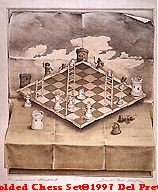
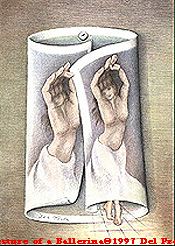
| Swiss artist
Sandro Del Prete is a master at creating impossible and ambiguous scenes.
Although many people belive that his work draws its inspiration from the
opus of M.C. Escher, in fact, the two styles are quite different. Del Prete
also creates illusionary sculptures as well.
Del Prete has published two books that contain his illusion drawings. |
|
|
|
|||||||||||||||||||||||||||||||||||||
|
|
|
|
|
|
|
|
|||||||||||||||||||||||||||||||||||||
|
|
|
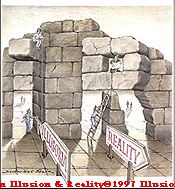
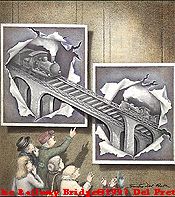
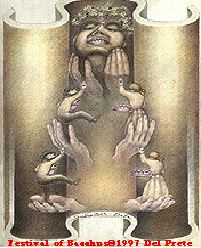
| The three
examples above are perceptually ambiguous. In other words, the image that
you perceive can have more than one interpretation.
In "The Festival of Bacchus" (on the left) the two figures that Bacchus is holding become incorporated into his face as he lifts them up. Look closely at Leonardo's face and the image that he is drawing. Do you note any similarities? |
||