

 |
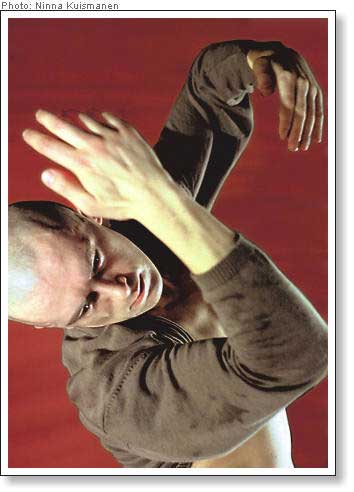
Free, modern and contemporary dance In the 1960s, free dance experienced a new boom, and Finnish dance began to take on board influences from American modern dance and jazz dance. The most dynamic representative of modern dance was Riitta Vainio, who had studied in the USA. In the early 1960s, Vainio created choreographies that fall into the genre of traditional modern 'concert dance', but towards the end of the decade she began to experiment with visual dance theatre and improvisation events. Thus, Finnish ballet was oriented towards the East, while Finnish modern dance was oriented towards the West. Modern dance, known as 'free dance' in Finland, had its heyday between the 1920s and the '40s, during which time several dance schools were founded. The influences came from Germany, where many Finnish dancers studied and worked in the 1920s and 1930s. After the Second World War, the free dance connection with Germany dwindled, and the entire genre acquired an amateurish stigma. |
 |
 |
 |
 |
 |