


of Northern California

The territorial jurisdiction of Imus then consisted of (3) barrios, namely:
1. ALAPAN - so named due to the marshy lands from wehre its residents obtained construction and other materials for livelihood. It began to be populated in 1822.
2. BUCANDALA - the name was derived froma a seed bed in the form of an open fishnet called "dala", hence its name. The population exodus in this barrio began in 1837.
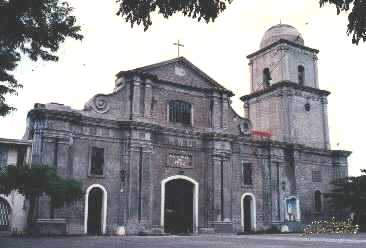
3. TOCLONG - is the name given to the place beside the river where the town's first church of light materials was built and where a coadjutor of Kawit parish since 1775 used to say mass and administer sacraments during feast days until the creation of Parish of Imus in 1795 and the declaration of "Nuestra Senora del Pilar" as the patroness., Half a century later, Toclong was renamed Lumangbayan or Bayanluma by reason of the relocation of the church edifice on January 23, 1843 to its present site where it now stands. The ruins of the ancient church and tower are still discernible in this barrio. The transfer and construction of the present church was initiated by the Agustinian Archbishop, Friar Jose Sugui on January 1, 1843 in the course of his diocesan pastoral visit.
Within the jurisdiction of the aforesaid three (3) barrios are several sitios with their corresponding names, namely Palico, Tanzangluma, Anabu 1st, Anabu 2nd, Malagasang 1st, Malagasang 2nd, Alapan 1st, Alapan 2nd, Carsadang Bago, Tinabunan, Medicion 1st, and Medicion 2nd.
more