 |
|
|
|
|
|
|
|
|
|
|
|
|
|
|
|
|
|
|
|
|
|
|
|
|
|
|
|
|
|
|
|
|
|
|
|
|
|
 |
|
|
|
 |
|
|
|
|
|
Flexibility and Strength Part 4: Partner Resistance Exercises (continued) |
|
|
 |
|
|
|
|
|
|
 |
|
 |
|
|
|
|
|
|
|
|
 |
|
 |
|
|
|
|
|
 |
|
|
|
|
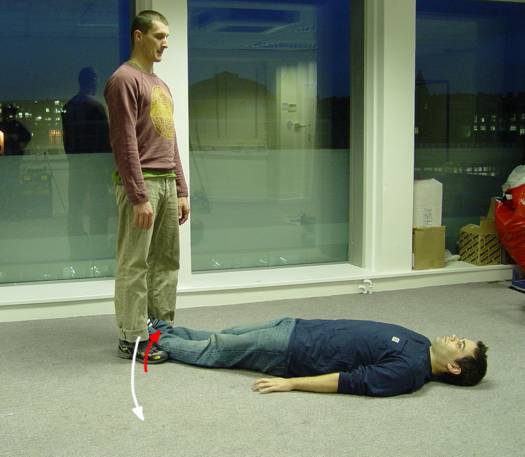
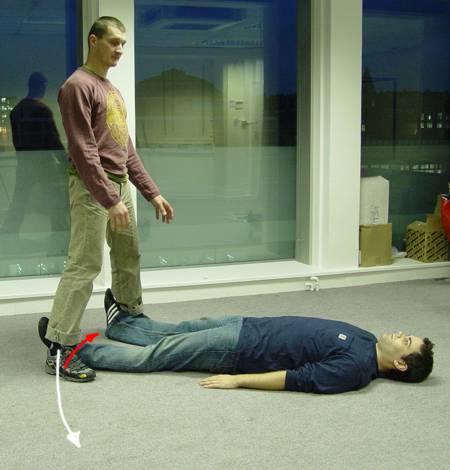
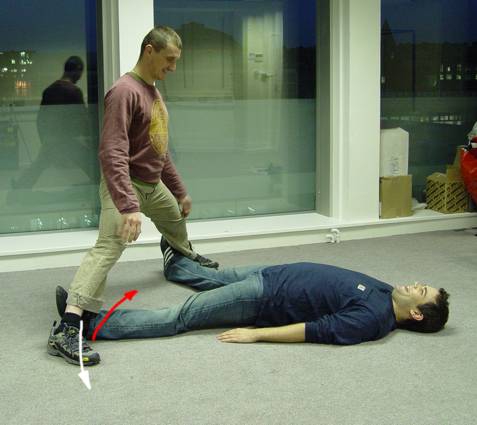
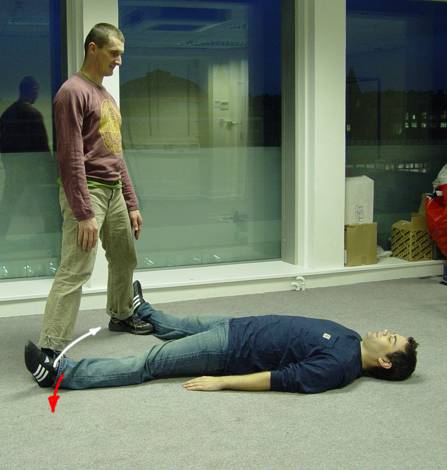
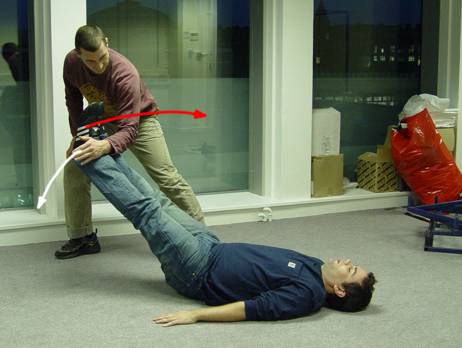
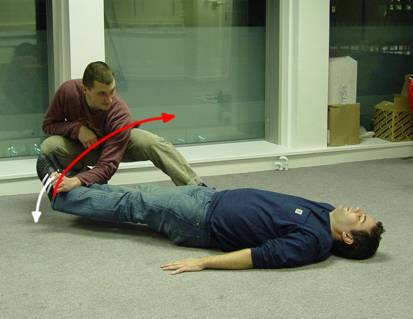
(< Above and Left) The legs are a particular area where increasing flexibililty is useful. Sitting, cycling, even driving reduce flexibility. The exercise in the diagrams show continued effort whilst the person providing the resistance steadily moves the point of leg contact outward or inward by pivoting on first the toe and then heel.The upper body must remain relaxed throughout. The direction of effort has been drawn as a white arrow and the direction of resistance is shown as a red arrow. |
|
|
|
|
|
|
|
|
 |
|
 |
|
|
|
|
|
 |
|
|
|
|
 |
|
|
|
|
|
 |
|
|
|
|
 |
|
|
|
|
|
 |
|
|
|
|
|
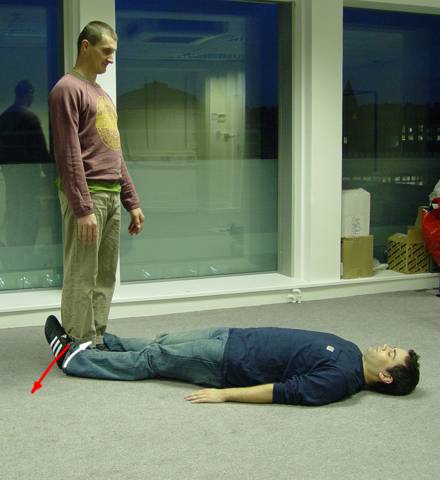
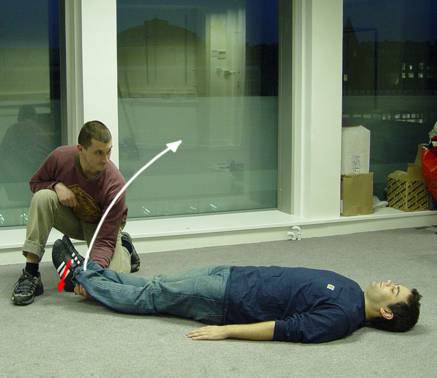
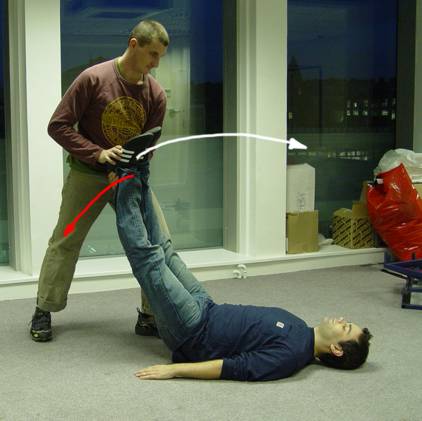
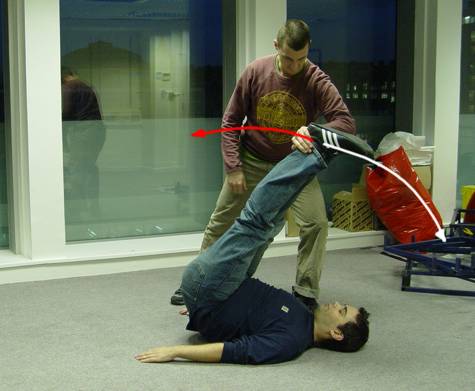
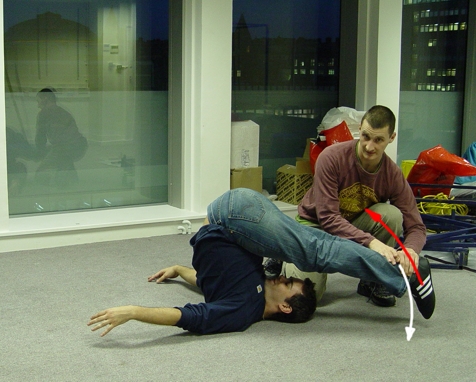
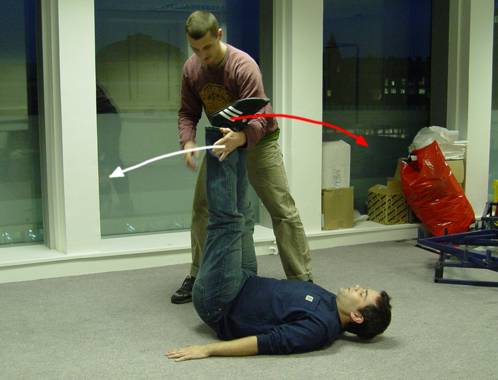
(/\ Above) Leg raises with a partner are performed in a different way to the other exercsies shown here. The person who is assisting the exercise makes the effort, whilst the person on the floor is resisting the movement. Initially the movement should be resisted without the back lifting from the floor. This makes resistance very difficult. As the legs reach the vertical plane, the balance becomes difficult and resistance can be applied by moving the centre of gravity whilst trying to relax the back as much as possible. As the legs reach over the head, care must be taken as not to push the movement beyond a range which is comfortable. As the legs return to the original position, great effort is required to maintain a constant speed of movement through the latter stages of the exercise. (END) |
|
|
|
|
|
Home |
|
Sam Benson 4.12.2004 |
|
|
|
back < |
|
|
|
|
|
|
|
|
|
|
|
|
|
|
|
|
|
|
|
|
|
|
|
|
|
|