





The New Immigrants
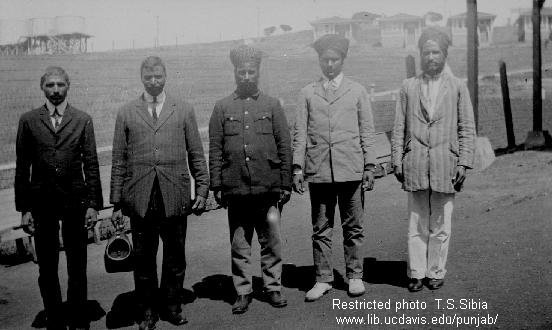
Millions of immigrants entered the United States in the late 19th and 20th centuries, lured by the promise of a better life. Many of these immigrants looked to escape difficult conditions like famine, land shortages, or religous or political persecution. Others known as "birds of passage,"intended to immigrate temporarily to earn money, and then return to their homland. Most of these immigrants came from Europe, China, Japan, the West Indies, and Latin America.
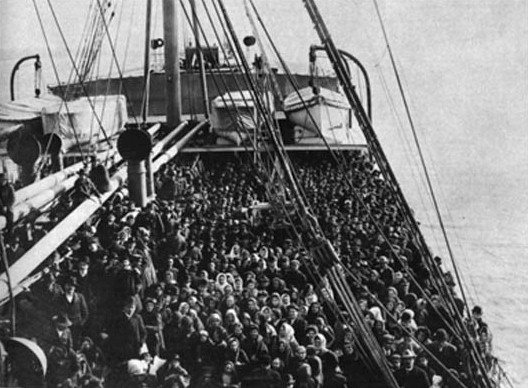
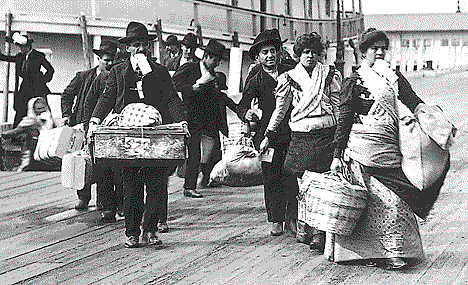
Europeans Between 1870 and 1920, appoximately 20 million Europeans arrived in the United States. Before 1890s, however, increasing numbers came from southern and eastern Europe. In 1907 alone, about a million people arrived from Italy, Austria-hungary, and Russia. Many of these Europeans left to escape religous persecution . Whole villages of Jews were driven out of Russia by pogroms, orginized attacks often encouraged by local authorities. Other Europeans left because of rising population. Between 1800 and 1900, the population in Europe doubled to nearly 400 million, resulting in a scarcity of land for farming. Influenced by political movements at home, many yung European men and women sought independent lives in Ameirca.
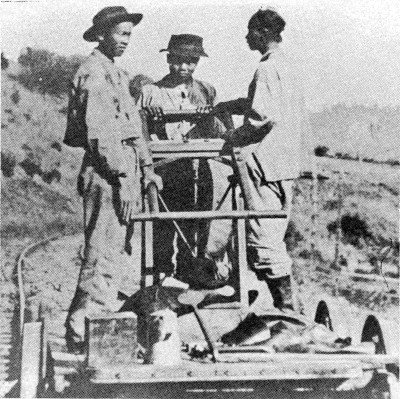
Chinese and Japenese Unlike the Europeans the Chinese and Japanese arrived in small numbers on the west coast of the United States. Between 1851 and 1883, about 300,000 Chinese arrived. Many came to seek their fortune after the discovery of gold in 1848 sparked the California gold rush. Chinese helped do thier part in Ameirca by helpin build the nations first transcontinental rail road. When the railroads were completed they turned to farming mining and domestic service. Some were even able to start businesses. In 1884, japenese government allowed Hawaiian planters to recruit Japenese workers, and japenese exploded in to the United States.1898 was the year Hawai was anexed into the Untied States then Japenese stormed into the west coast.Immigration continued to increase as word spread that Ameircans were earning high wages. The wave peaked in 1907, when 30,000 left Japan for the United States. By 1920, more than 200,000 Japenese lived on the West Coast.
The West Indies And Mexico Immigrants came fom Jamaica, Cuba, Puerto RIco, and other Islands. Many of their homeland the jobs were scarce and the industial boom in the United States seemed to promise work for everyone. Between 1880 and 1920 about 260,000 immigrants arrived. About 700,000 people came from Mexico roughly about 7% of the population came to the United States over the next 20 years.
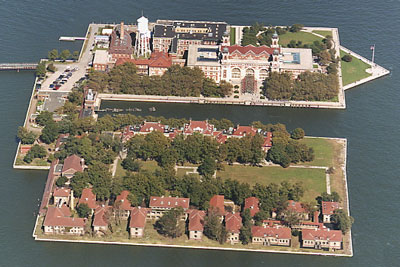
Immigration Stations Before immigrants could eneter the United States immigrants had to pass what are immigration stations. At these immigration stations immigratnts had to go through the anxiety of not knowing if they would be admitted to the United States. Often immigrants were held their for days waiting to be checked, although only 2% of them would be turnd back to their homeland. The process to be checked was long, taking about five hours or more. First they had to pass a physical examination by a doctor. They could not have serious health issues, tuberculosis, or any kind of cotagious disease.The main immigrant stations were Ellis Island and Angel Island. European arrived through Ellis island and Asians primarily chinese trough Angel island.
Standard 11.2 Students analyze the relationship among the rise of industrialization, large-scale rural-to-urban migration, and massive immigration from Southern and Eastern Europe.
|
The New Immigrants | Challenges of Urbinization | Politics | Diversity | Urban Problems