|
|
|
|
|
|
|
|
|
|
|
|
|
|
|
|
|
|
|
|
|
BACK TO FIRST PART |
|
|
|
Even the beach can be a shock. "Some turned back when they saw it. The sea was too frightening," explained Moise. Dozens have died on the route.
"The last ones to die in Lanzarote were only three meters away from the beach. But most can't swim. Finding dead bodies is the worst bit of this job. That and seeing whole families with small children on the boats," said Lt Alba from small civil guard police detachment in Fuerteventura. |
|
|
|
 |
|
|
|
Lt Alba and his men catch 90% of those who arrive. Most spend 40 days at a makeshift detention camp. They are then put on ferry to Las palmas where they are fed by the Red Cross, sleep in parks and eventually raise money to get to mainland Europe. The two-year jail sentences handed down to the Moroccans who pilot the boats has done nothing to slow the growth of this route. Some are already serving a second term, the financial benefits outweighing the risks. |
|
|
|
 |
|
|
|
CLICK ON FLAG FOR THE MAP |
|
|
|
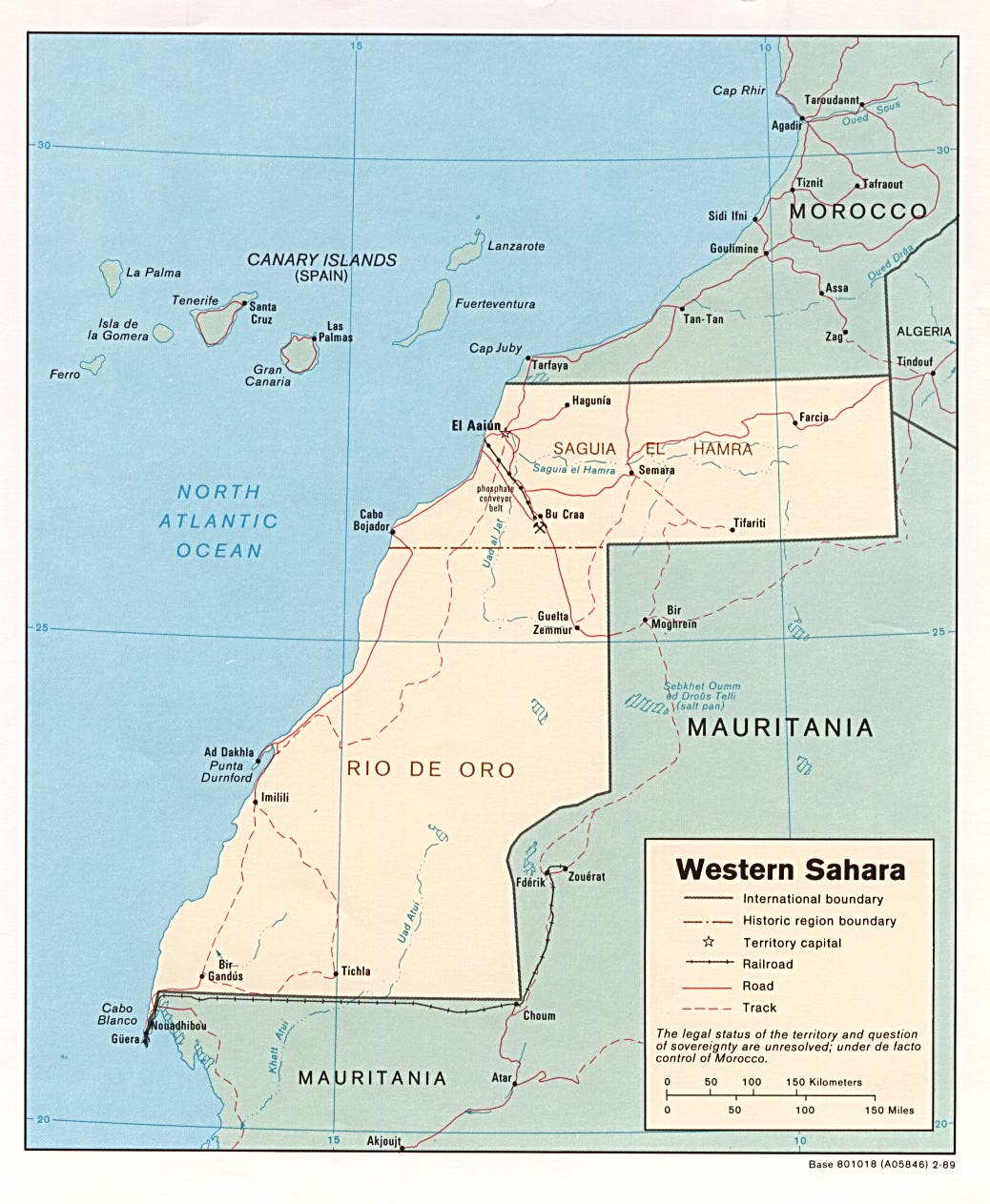
Abdel-Latif Guerraoui, the Moroccan governor of Western Sahara, shrugs his shoulders, (according to source, he is on smugglers pay list too). His rural police force has half a dozen Land Rovers and two dilapidated spotter planes to patrol not just immigration but fishing and smuggling along 250-mile coastline around Laayoune. Mr Guerraoui's police have recently expelled 300 immigrants, and 14 traffickers were jailed recently for up to 10 years. but he has other things to worry about - poverty being his main concern. many of those expelled by his police will find a way back to Laayoune and try again. For Mercy Stewin the drama of taking the new illegal migrant route into Europe is over. Blessed, born on Spanish soil, is her passport to legal residency. "All I want to do is work," she said. |
|
|
|
HOME |
|
|
|
E-MAIL me you're story |
|