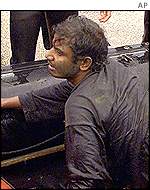
The incident has focused attention on human smuggling - a lucrative business run by highly organised criminal gangs. Abu Kalam was lucky - the 27 year-old from Bangladesh was found alive nearly 30 hours after he was plunged into a nightmare.
Shipwreck
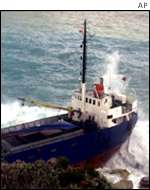
Huge waves and high winds sent the Georgian-registered ship Pati thumping into the rocks, spilling its human cargo into the sea. Abu Kalam remembers people swimming and people sinking. He himself was smeared in oil to keep warm, and survived until he was spotted in a rocky inlet.
Other young men, from India and Pakistan, died in the water a long way from home. They must have known they were on a dangerous journey, but they must have dreamt of success.
And for Abu Kalam and others like him, success means reaching the hallowed ground of the European Union - the land of opportunity.
While Europe grows increasingly concerned about how to keep illegal migrants out, the numbers are continuing to grow. Abu Kalam said he entered Turkey by crossing the border from Kurdish-controlled northern Iraq. The mountains are dotted with smuggling routes, the back roads of the lucrative trade in human beings.
Once he has recovered from his ordeal, he will be deported back to Iraqi territory. But he probably won't stop trying to get to Europe, and Turkey still looks like his best bet.