 |
|
|
|
|
|
|
|
|
|
|
|
|
|
|
|
|
ETHICAL |
|
|
|
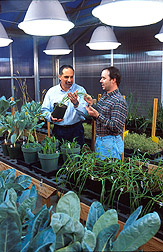
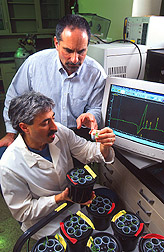
Biogenetic engineering of plants is a growing field of research. As mentioned on the Technical page, breeding programs and genetic engineering, powerful methods for enhancing natural phytoremediation capabilites or for introducing new capabilities into plants, are types of transgenic research that holds a bright future for phytoremediation. Genes for phytoremediation may originate from a microorganism or may be transferred from one plant to another better adapted to the environmental conditions at the cleanup site. Transgenic biotechnology presents an exciting range of possibilities, but like always there promises are not without potential peril. Thus, the people tend to raise ethical questions such as those below: |
|
|
|
 |
|
|
|
|
|
Are we blurring the lines between species by creating transgenic combinations? (1)
What are the known health risks associated with transgenics? (2)
What are the long-term effects on the environment when trans genics are released in the field? (3)
What ethical, social, and legal controls or reviews should be placed on such research? (4)
Are we inflicting pain and suffering on sentient creatures when we create certain types of chimeras? (5)
Will transgenic interventions in humans create physical or behavioral traits that may or may not be readily distinguished from what is usually perceived to be "human"?
What unintended personal, social, and cultural consequences could result?
Will these interventions redefine what is means to be "normal"?
Who will have access to these technologies, and how will scarce resources be allocated? |
|
|
 |
|
|
|
|
|
 |
|
|
|
|
|
|
<Home> <Facts> <Technical Issues> <Leadership Issues> <References> |
|