 |
|
|
|
|
|
|
|
|
|
|
|
|
|
|
|
|
|
|
|
|
|
|
|
|
|
|
|
|
|
|
|
|
|
|
|
|
Painting the Cheetah ... (page 2) |
|
|
|
[go back to page 1] |
|
|
|
|
|
 |
|
|
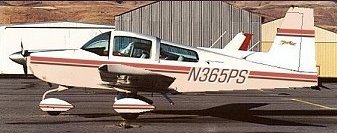
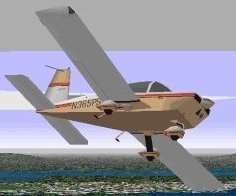
We tried a modified version of the Arrow scheme on the computer, and declared it the winner. We printed a hard copy of the computer rendering as a guide for the paint shop to follow. |
|
|
|
|
|
 |
|
|
|
|
|
|
 |
|
|
|
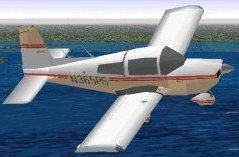
To make sure it looked good in 3-D, we made a model of it for Microsoft Flight Simulator 98.
|
|
|
|
|
|
|
|
|
|
Not only did we like the scheme, we also liked the color combination depicted in the Arrow brochure. These colors would go well with our interior. One of the photo captions in the Arrow brochure named the colors shown -- "Juneau White," "Sandalwood Tan," "Firethorn," and "Claret." With this information our paint shop was able to match the colors precisely.
We took this opportunity to apply for a change of the airplane's registration number. It's not a difficult process (AOPA members can get a detailed description here). It can take a while, though, for the FAA to respond to the request, so it's a good idea to apply for the change a few months before the paint job begins.
(If you're wondering why we picked "365PS", look up PSalm 36:5!) |
|
|
|
The next step was to select a paint shop. One of our hangar neighbors is a Cardinal RG recently painted by a shop about 40 miles away, and we were impressed by the workmanship. Moreover, the shop was within reasonable driving distance, which allowed frequent visits to check on the progress of the job and to deal with any questions -- theirs or ours -- that arose, and there were several. I am convinced that our in-person involvement was crucial to the successful result of this project.
Our only reservation about this shop was that they had not painted a Grumman in many years. Painting a Grumman is different from painting other lightplanes, as the bonded construction of a Grumman requires special care and techniques. I loaned the painter my copy of the Maintenance Manual, and we went over the stripping and painting procedures together. |
|
|
|
 |
|
|
|
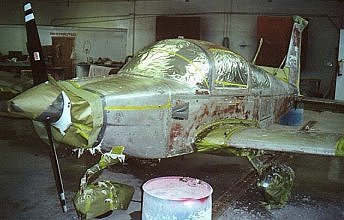
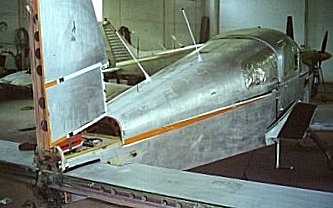
The airplane was delivered to Steve on March 3, 2000. First he removed the control surfaces and, per the Grumman manual, carefully sealed all of the exterior airframe bond lines with aluminum tape to protect the bonds from the stripping agent. Steve uses a more environmentally-friendly, non-toxic stripper that would probably not damage the bonds, but he took no chances and followed the manual to the letter. |
|
|
|
|
|
 |
|
|
Removing the aluminum tape revealed strips of paint, which had to be sanded down. |
|
|
|
|
|
|
 |
|
|
|
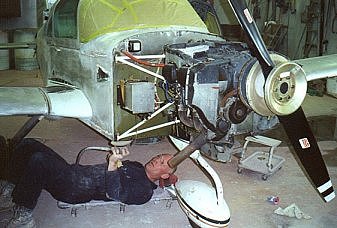
Hand-sanding was required to remove all the old paint in hard-to-get-to areas. |
|
|
|
|
|
[next page] |
|
|
[previous page] |
|
|
|
|
[home] |
|
|
|
|
|
|
|