 |
 |
|
|
|
|
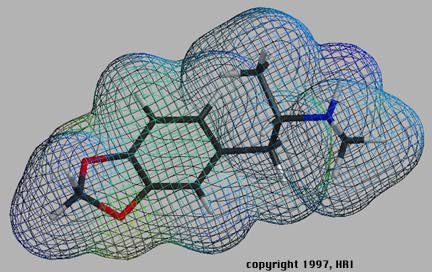
The acute psychological effects of MDMA are widely accepted to include feelings of euphoria, elevated self-confidence and heightened sensory awareness, as well as derealisation and depersonalisation, cognitive disturbances, elevated anxiety and decreased appetite. Physiologically MDMA causes tachycardia, bruxism, trismus, pupillary dilation, gait instability and nausea. The majority of reported deaths associated with acute MDMA use result from either dehydration or the compensatory intake of too much water, though hyperthermia, alterations in cardiovascular function, respiratory distress and intravascular coagulation may result.(Liechti 2000, Davison and Parrott 1997) The real debate surrounding MDMA concerns its long term neurotoxicity and this is the subject to which this discussion will be dedicated.
The euphoric effects of MDMA are reported to last between 3-5 hours at a standard recreational dose, which is considered to be 1-2 tablets of between 60-120mg each. This corresponds to an oral dose of 0.75-4 mg/kg in a 60-80kg person, assuming a bioavailability of 1. Most users take MDMA no more than once a week as tolerance to its positive effects develops rapidly. (Davison and Parrott 1997, Peroutka 1988). MDMA is reportedly associated with a hangover effect characterised by low mood, muscle aches, fatigue and impaired cognitive performance, which can last for several days after MDMA administration.(Curran and Travill 1997)
MDMA is generally accepted to be a potent indirect monoaminergic agonist,
producing both a carrier mediated release and reuptake inhibition of 5-HT(Schmidt
1987), and to a lesser extent dopamine (Yamamoto
and Spanos 1988). The relative importance of 5-HT release versus reuptake
inhibition has recently been questioned (Liechti
2000, Iravani 2000) and considerable
interest remains into the degree of involvement of various receptors which
are considered later.
| prev | 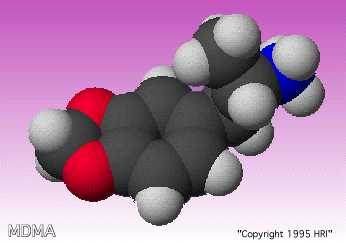 |
 |
next |