

(click on any of the photos for a larger view)
 Port
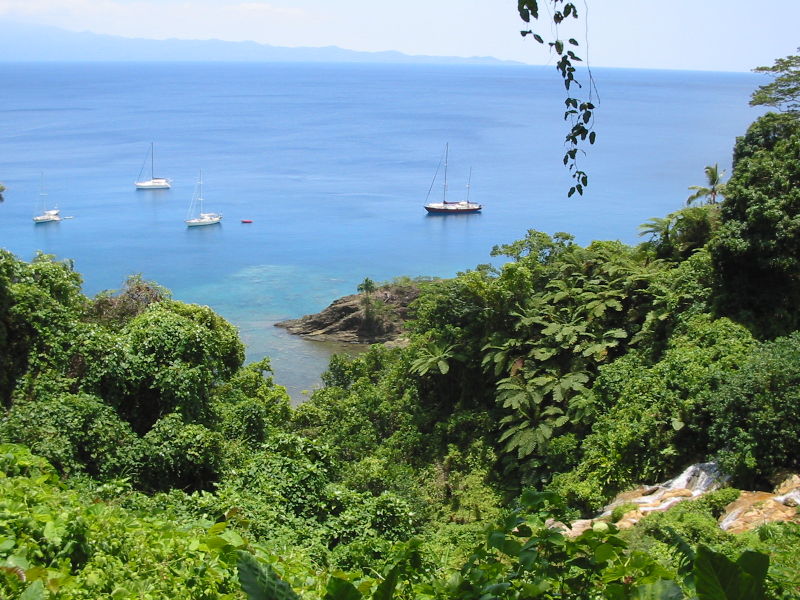
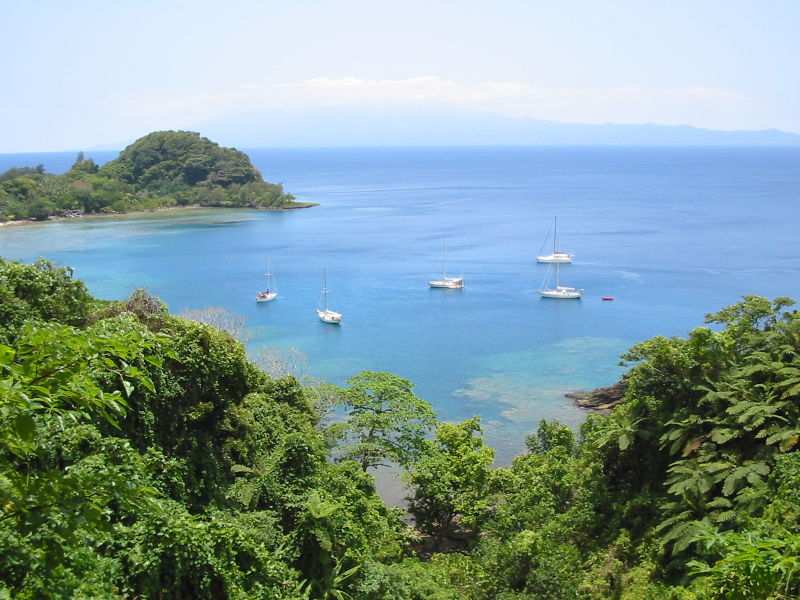
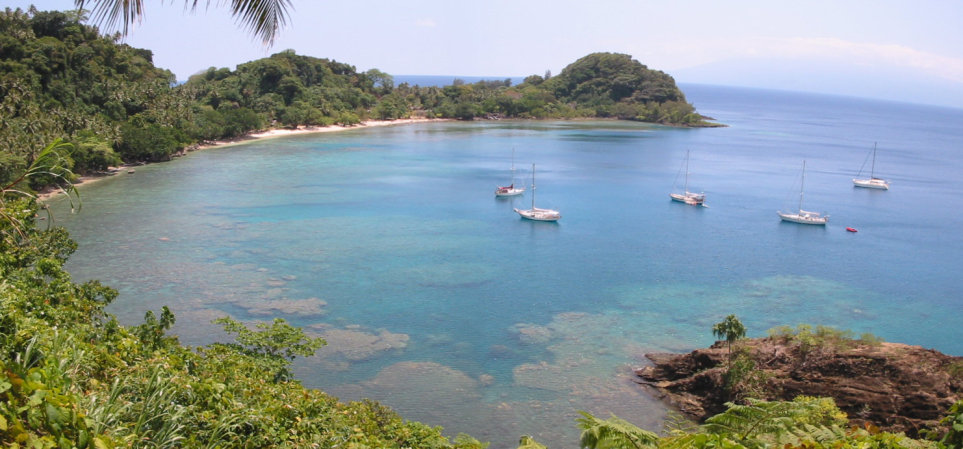
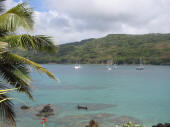
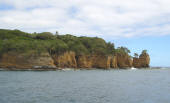
Resolution on Tanna Island: This port was named by Captain James Cook, who
reported it as being 40 m deep. But since then the area has been uplifted and
measures now barely 5 m in depth. The cliffs with
their visible layers were once part of the seabed.
Port
Resolution on Tanna Island: This port was named by Captain James Cook, who
reported it as being 40 m deep. But since then the area has been uplifted and
measures now barely 5 m in depth. The cliffs with
their visible layers were once part of the seabed.
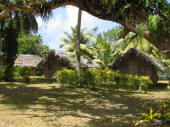
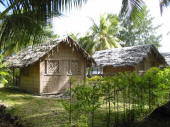 Guesthouses
in Port Resolution: Visitors come mainly to see the active volcano.
Guesthouses
in Port Resolution: Visitors come mainly to see the active volcano.
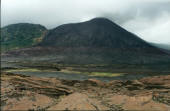
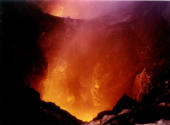
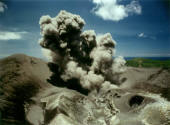
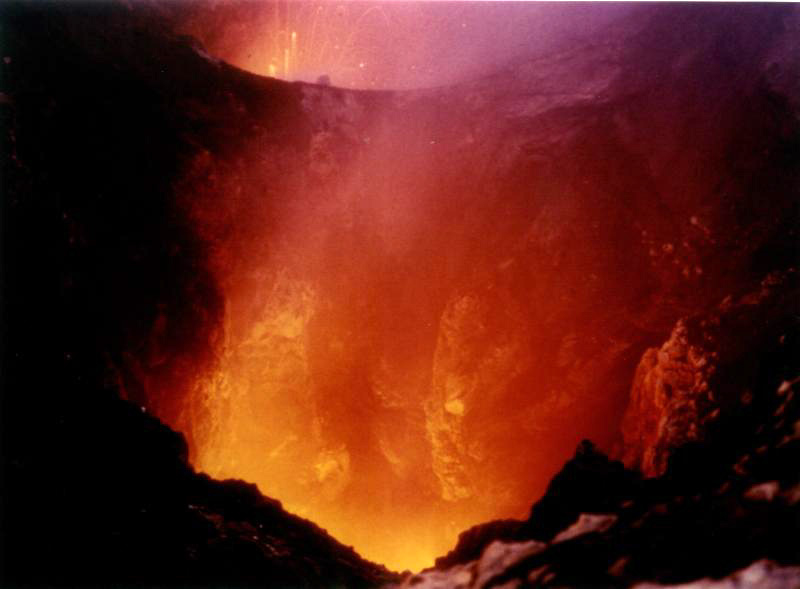
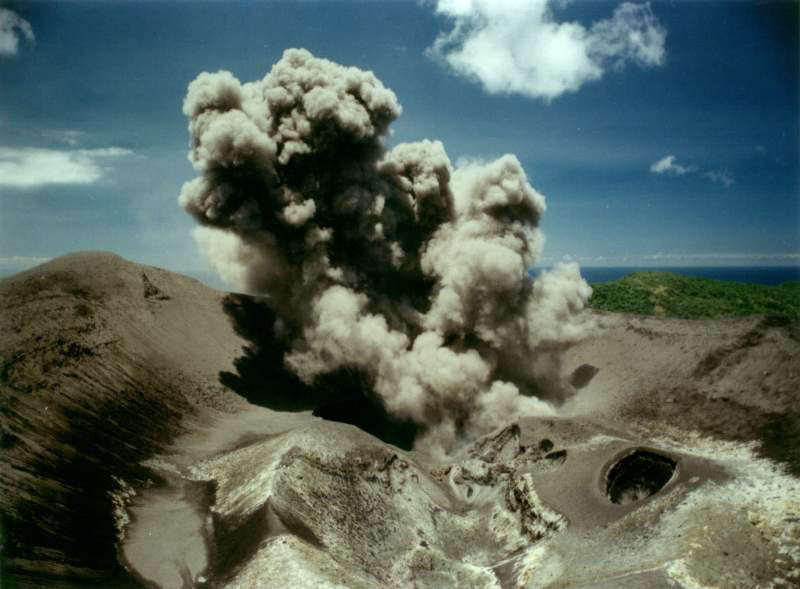
Mount Yasur, Tanna's active volcano. We
arrived on Tanna at a time of relatively low volcanic activity and were lucky to
be able to climb right up to the crater rim. The view into the crater and the
occasional outbursts of rock and lava were absolutely incredible!
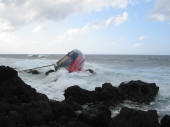
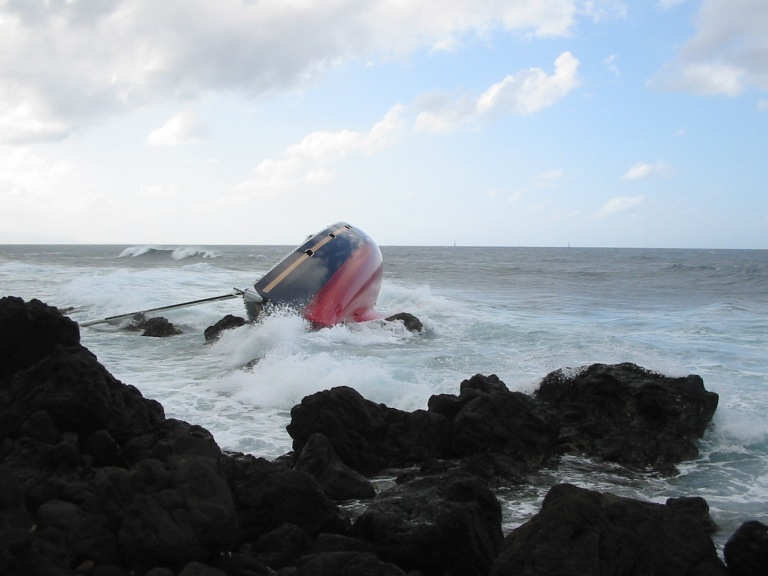
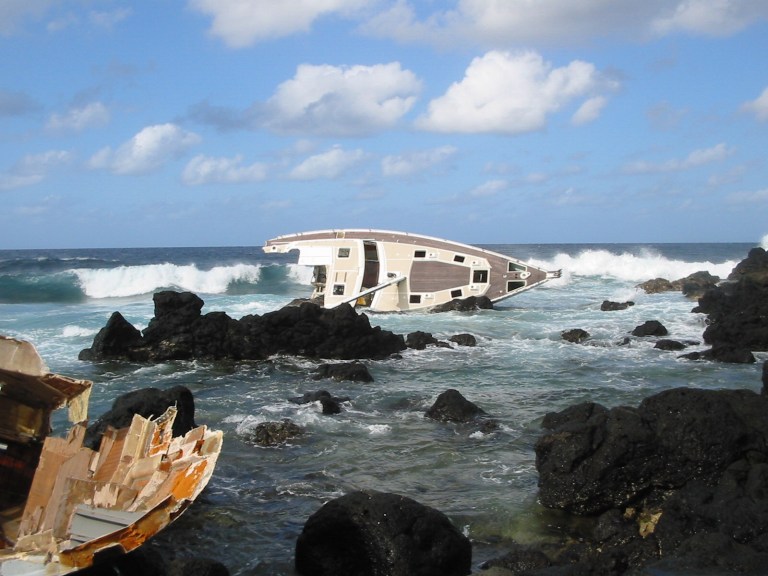
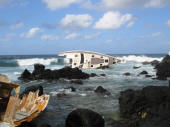 This
yacht didn't make it! Due to a navigational mistake at night, they cut the
corner a bit fine and ended up on the rocks. All people got off safely and the
villagers helped to strip the boat of the most valuable possessions before it
broke up. The yacht was only 12 months old.
This
yacht didn't make it! Due to a navigational mistake at night, they cut the
corner a bit fine and ended up on the rocks. All people got off safely and the
villagers helped to strip the boat of the most valuable possessions before it
broke up. The yacht was only 12 months old.
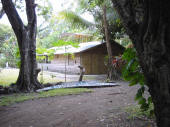
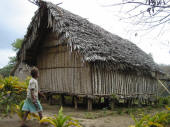
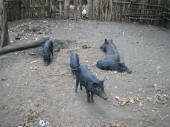
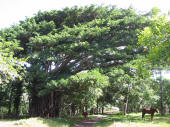
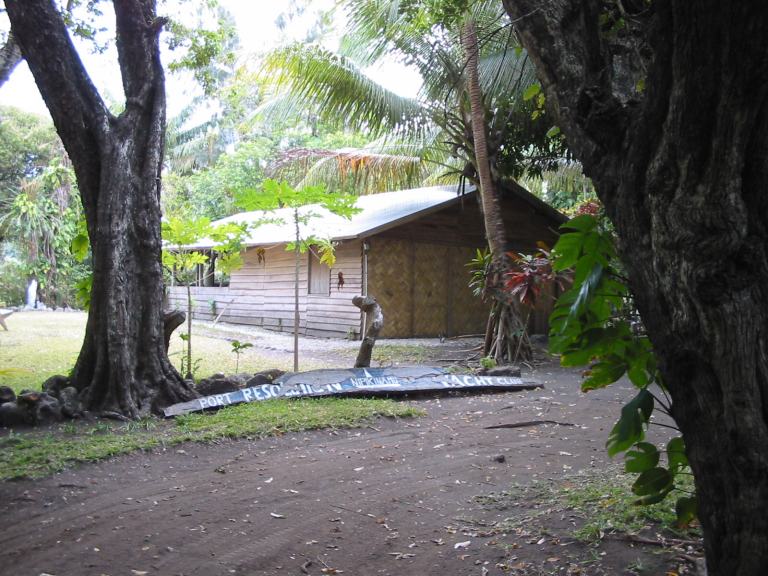
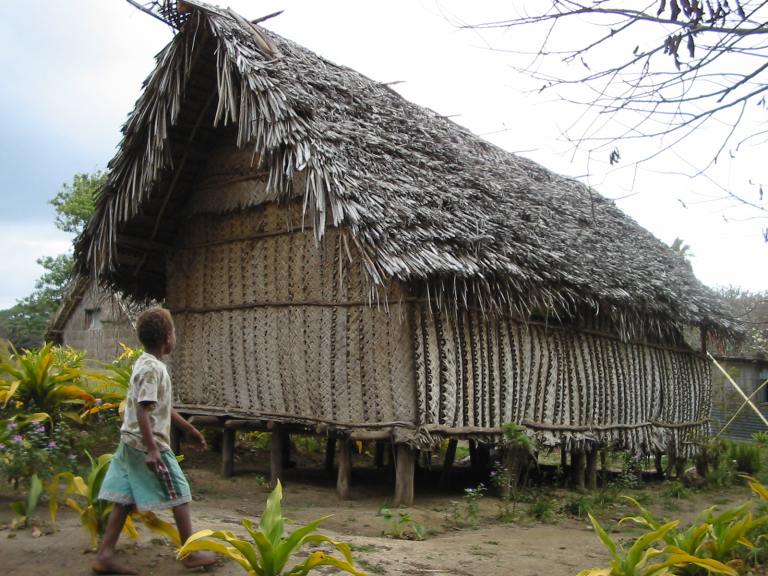
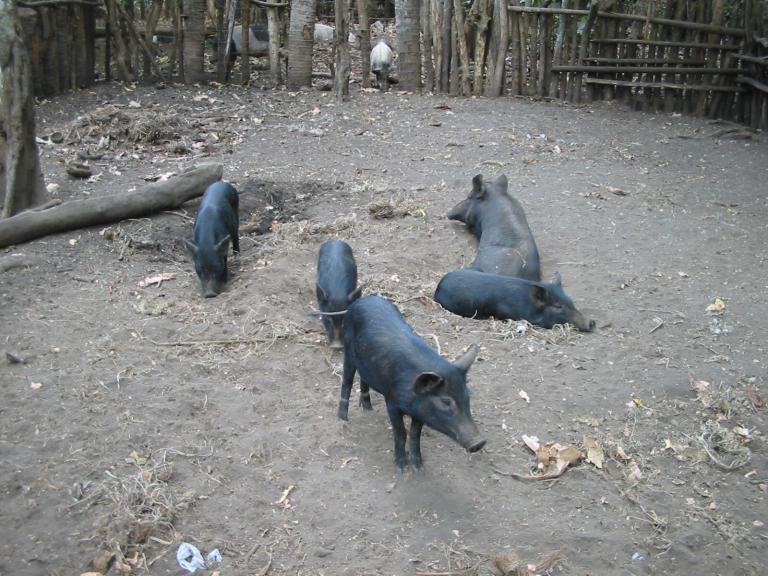
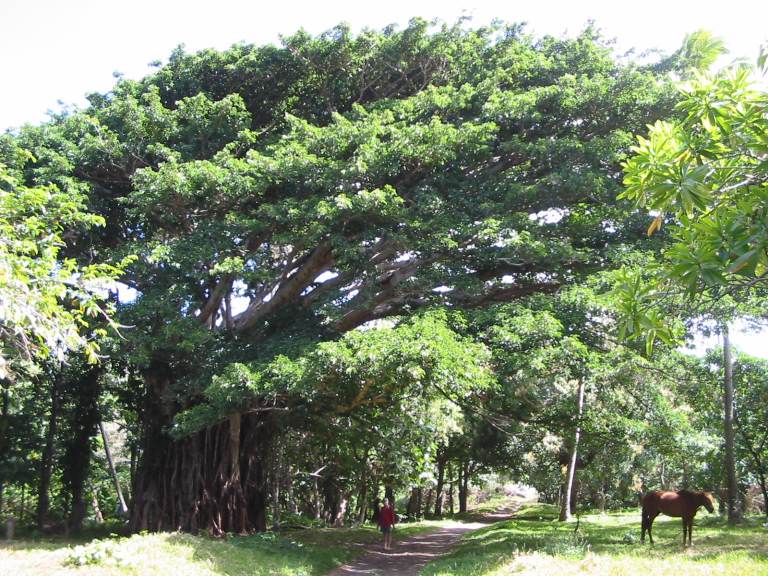
(from left to right) 1. Port Resolution
Yacht Club, the meeting point for the numerous yachts entering this bay, 2. A
typical house in Port Resolution, 3. the pig sty with the fresh meat supply and
4. a huge Banyan tree dwarfing Graeme on the walking path.
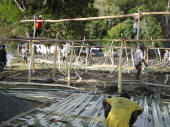
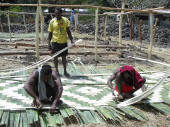
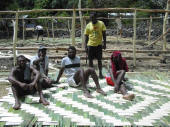
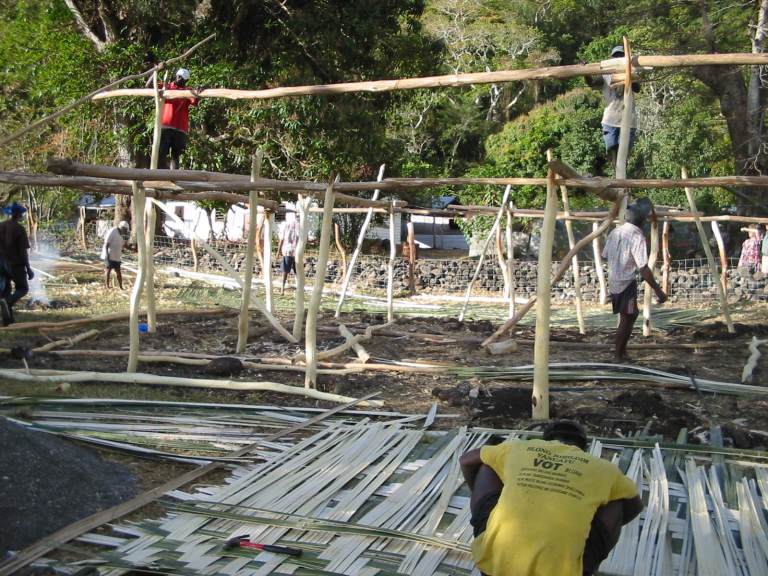
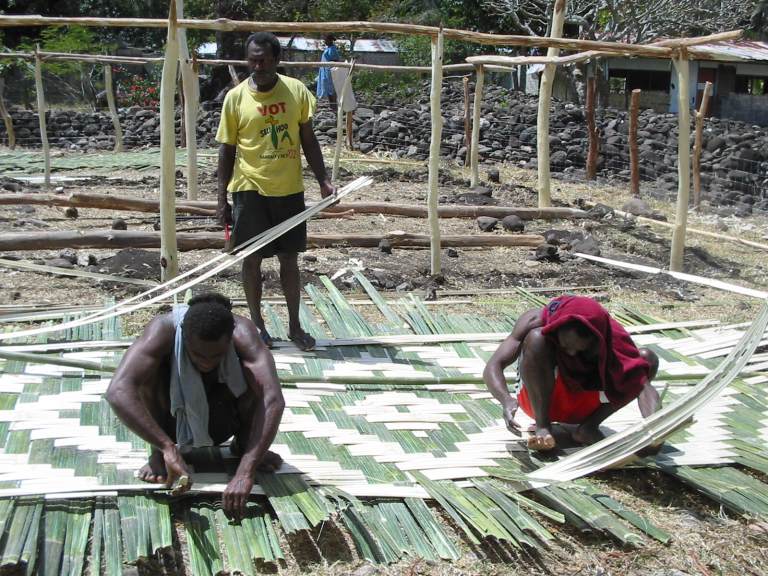
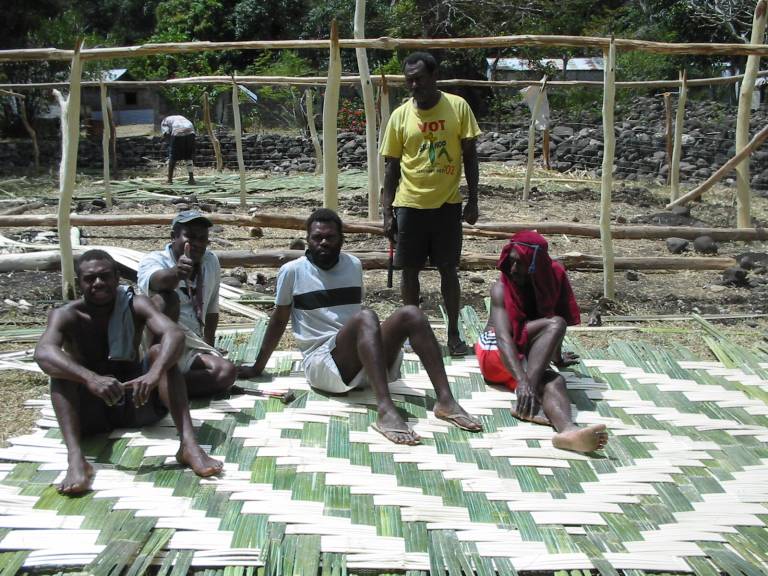
House building on Erromango: The walls
are woven out of split bamboo, a tough job that is skilfully executed by the
locals. Bamboo is green on the outside and white on the inside facilitating the
creation of a two-tone pattern.
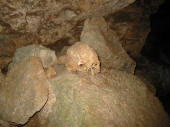
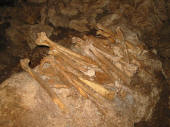
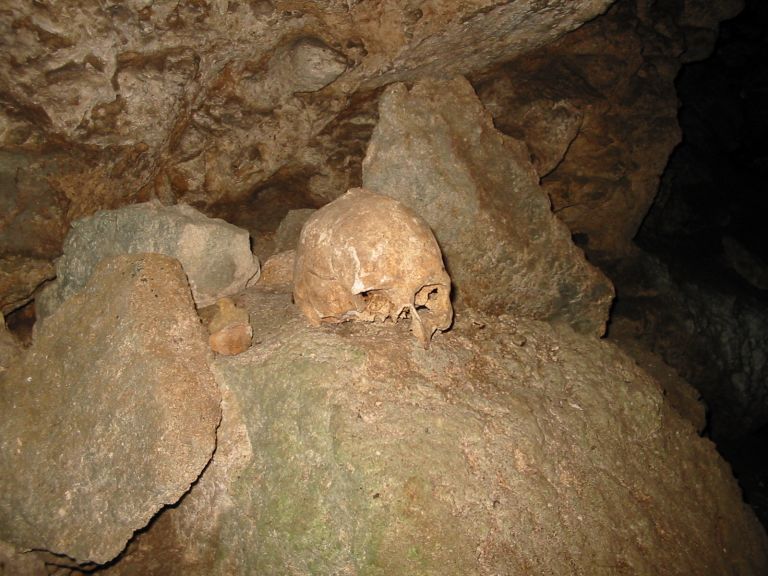
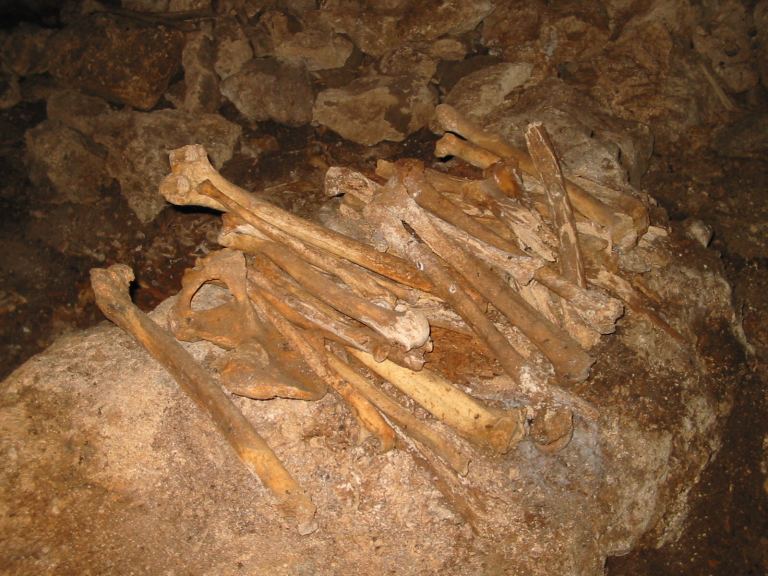
A burial cave on Erromango: just before
our visit a flood had swept through the cave mixing up the bones. After the
clean up, they are now
arranged into piles of thigh bones, skulls, shoulder blades etc.
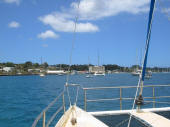

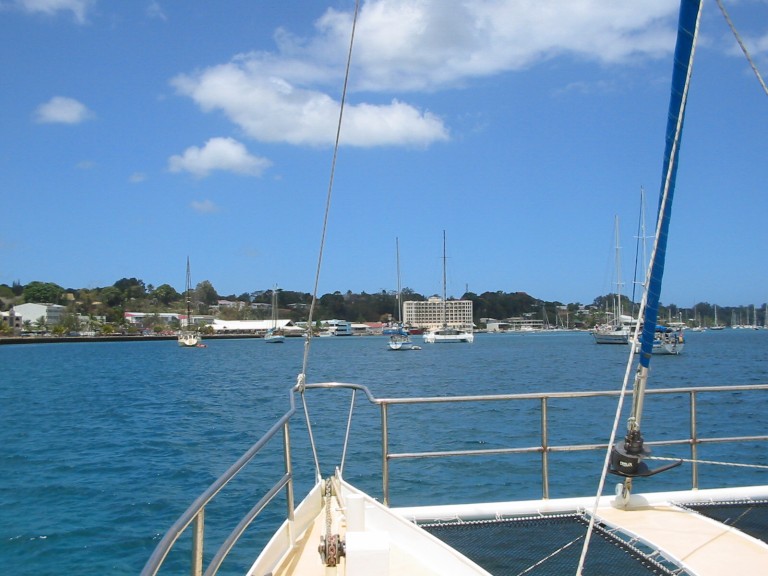
Port Vila, the capital of Vanuatu.
After the villages on the outer islands, it was quite a culture shock to see
high-rise buildings, supermarkets, banks, a lot of cars and all the normal
features of a modern city.
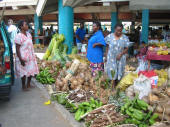
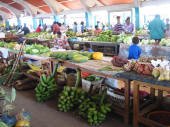
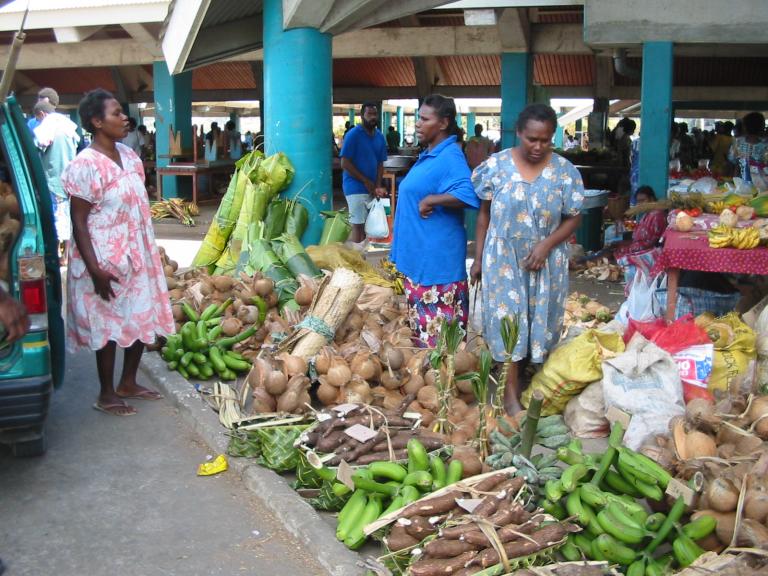
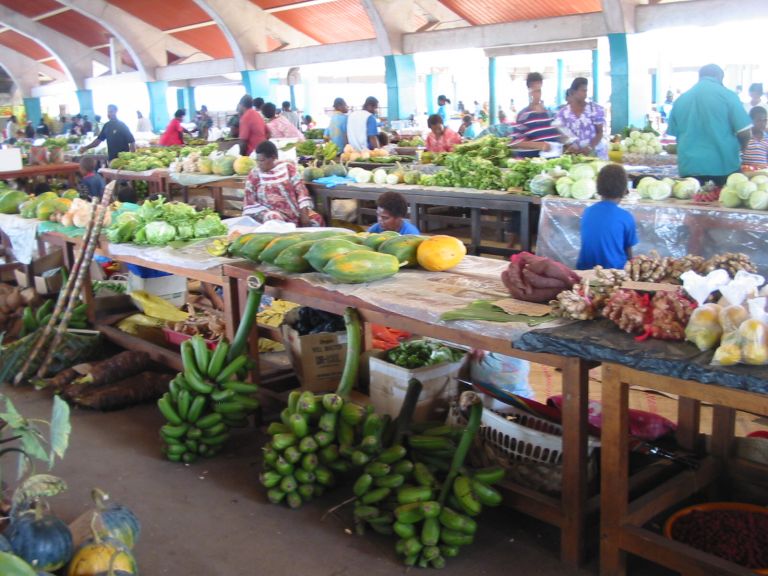
The market in Port Vila, an absolute
spectacle of colours and smells. The fruit and vegies in Vanuatu were the best
and tastiest we have ever eaten!
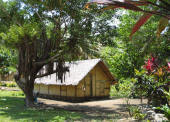
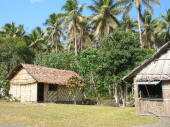
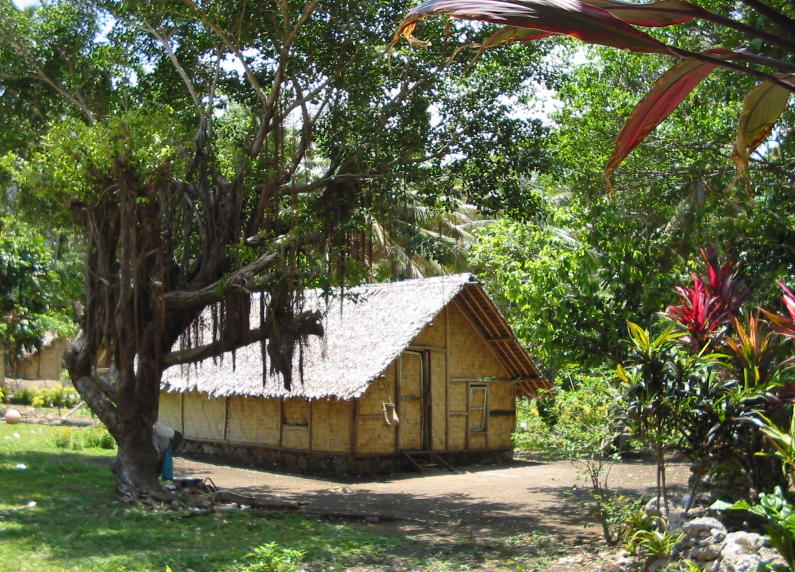
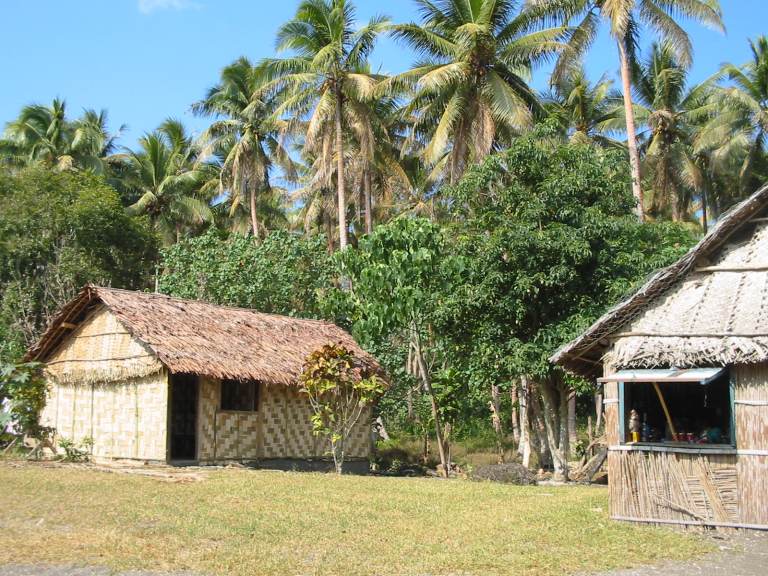
Typical houses on Epi Island,
everything was very neat and well maintained.
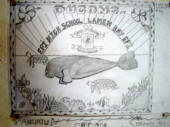
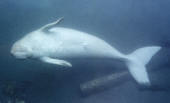
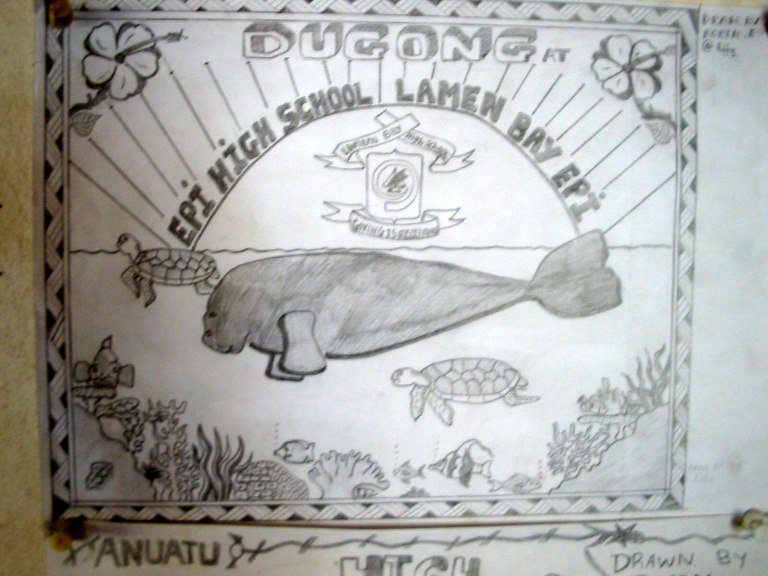
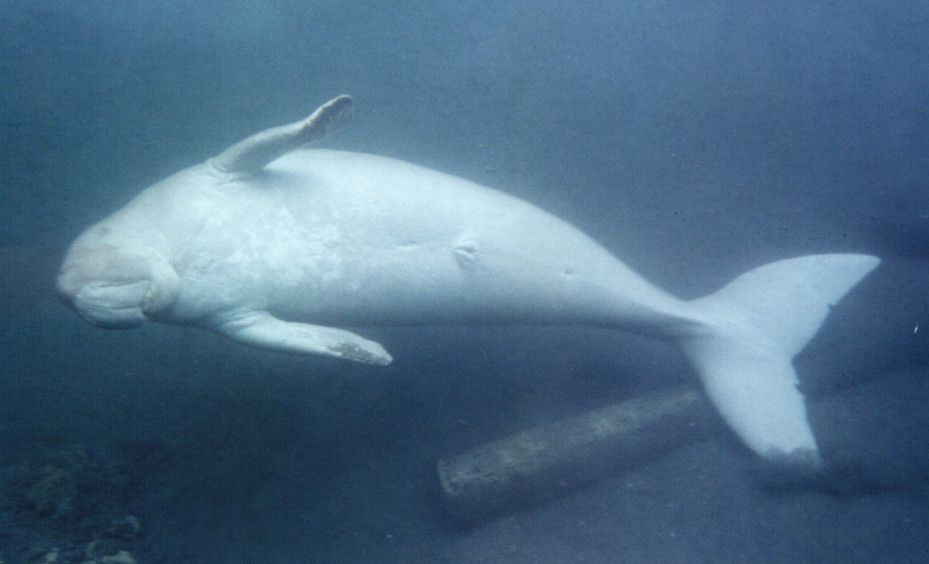
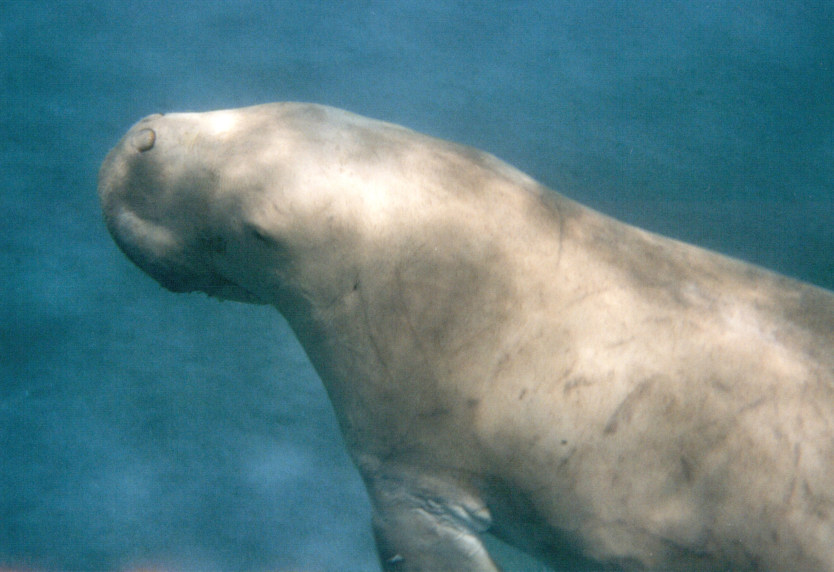
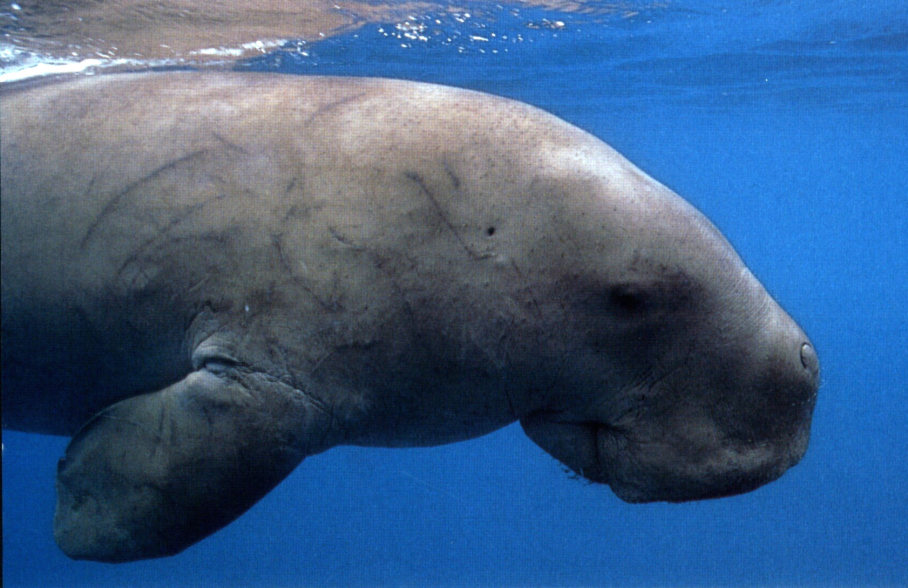
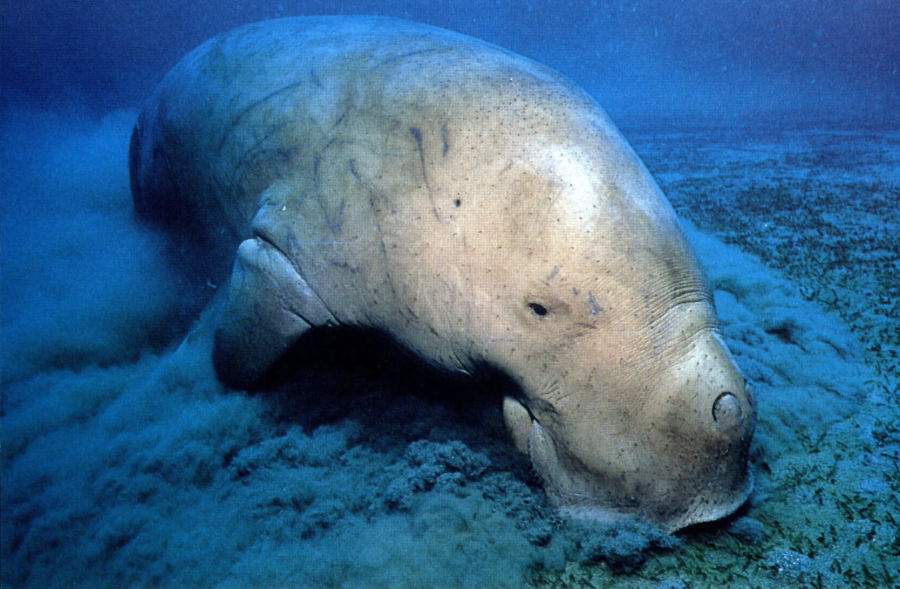
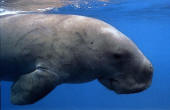
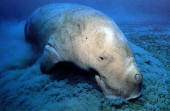
This dugong lives in a shallow bay on Epi Island. Even the local school has taken up the project to enforce a
dugong sanctuary. We had the opportunity to swim with "Bondas", which was a very
special experience. The dugong is incredibly agile under water, foraging through
the sediment for food, doing somersaults and even using a scratching pole to rub
his back.
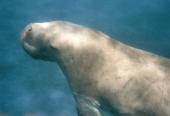
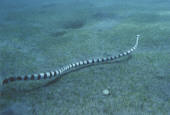
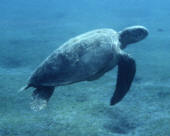
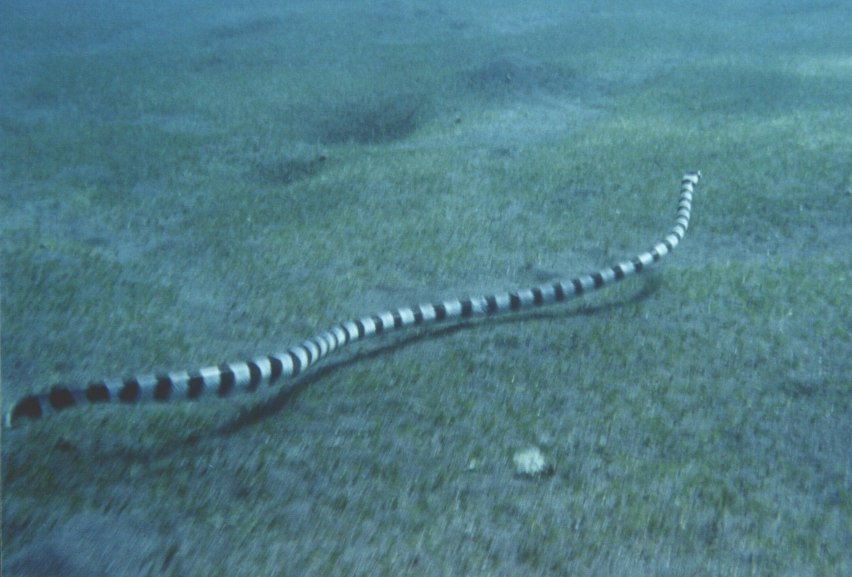
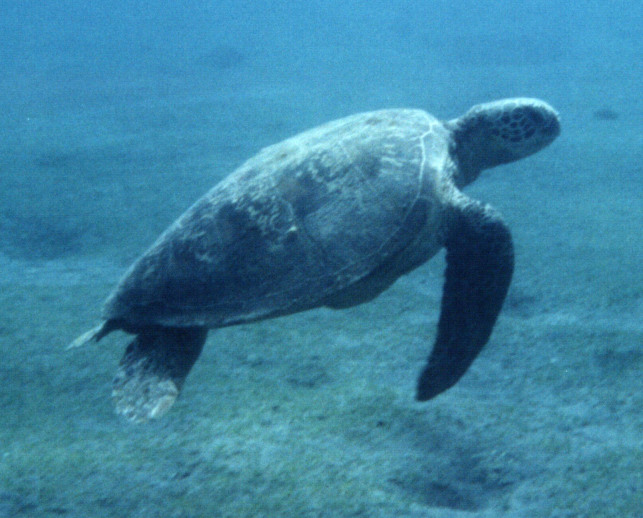
A sea snake and a turtle were the other
inhabitants of the Epi Island bay.
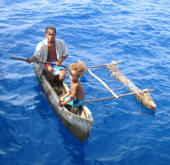
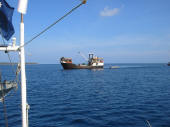
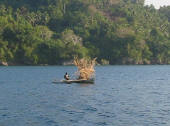
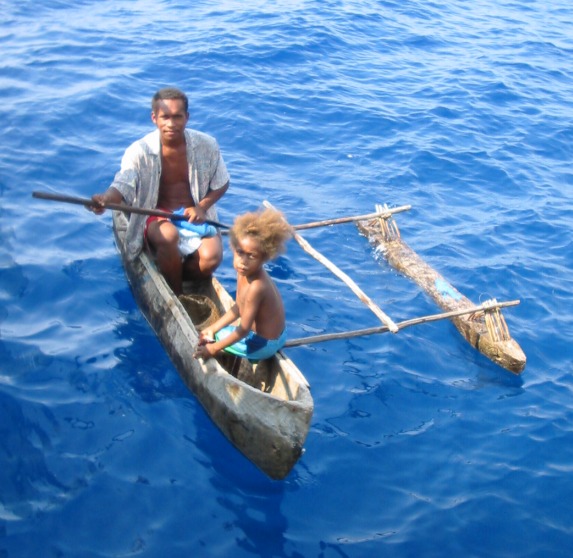
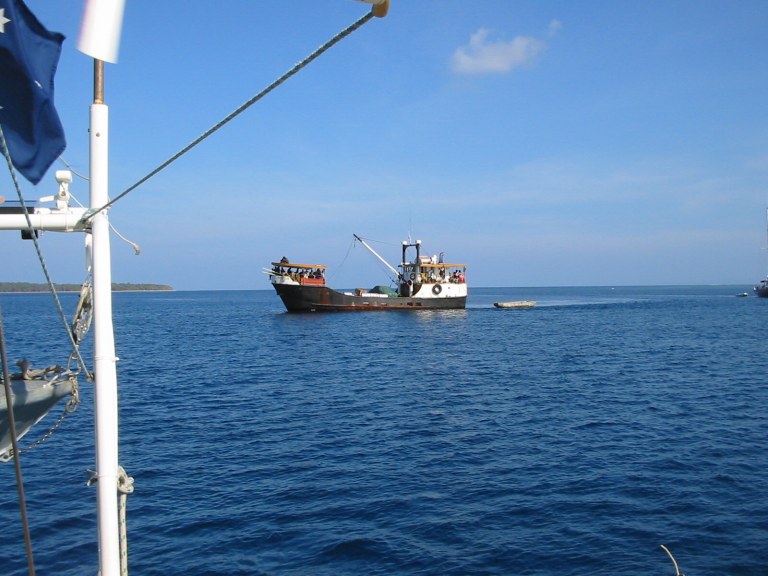
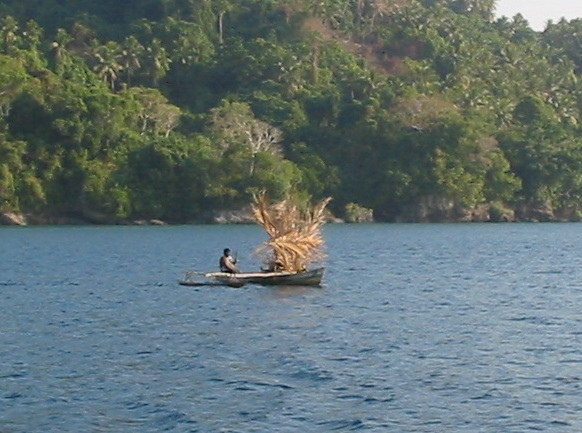
Island transport (from left to right):
1. A dugout canoe, the typical means of transport of the native population, 2. the Island Trader supply and ferry vessel, and
3. a dugout canoe
with palm frond "sail" to assist with the often long passages from island to
island.
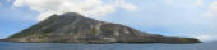
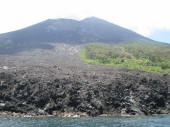
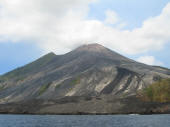
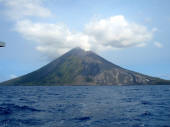
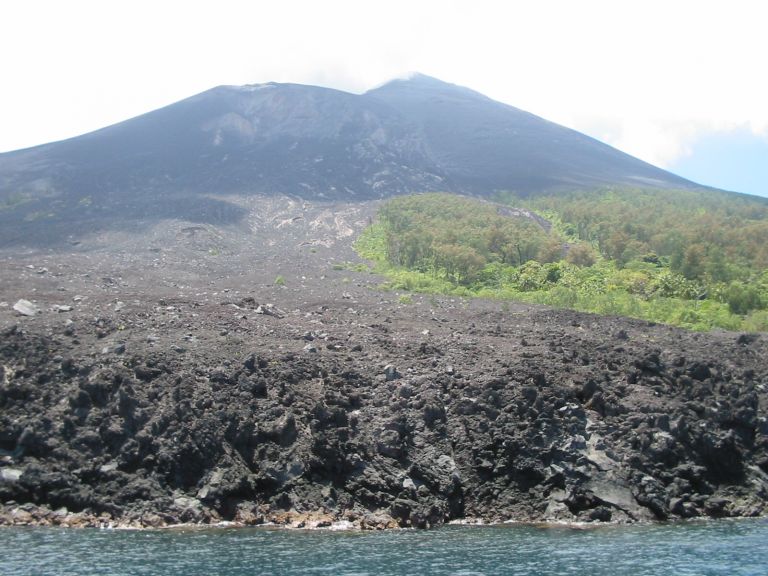
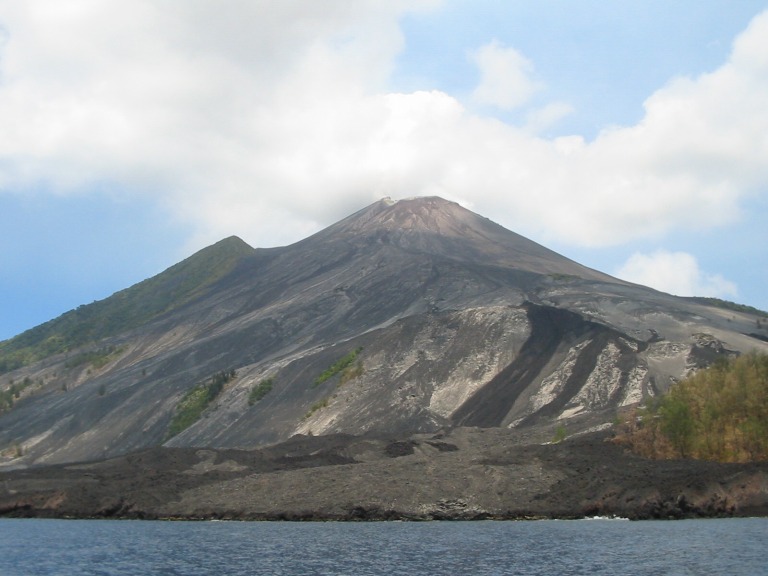
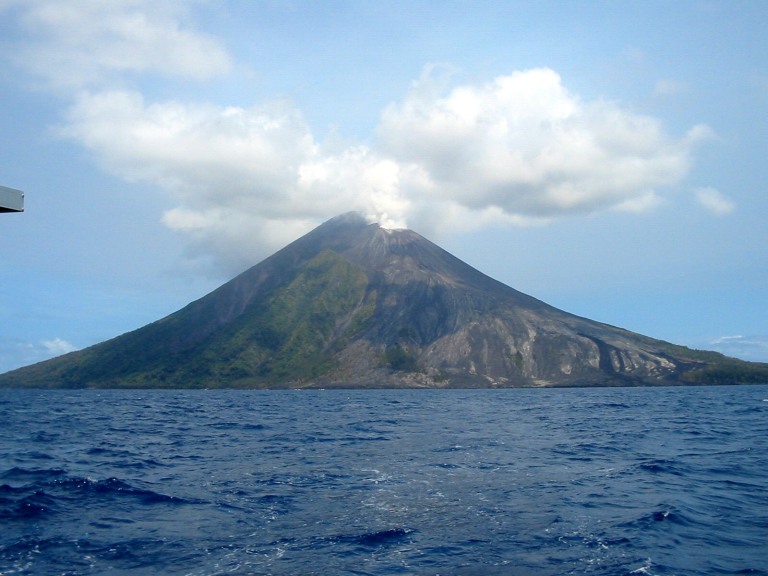
Lopevi Island, consisting of one large
active volcano. The resident population had to be evacuated a few years ago when
an eruption threatened and later destroyed their village.
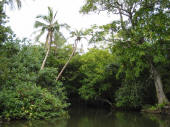
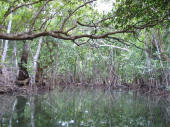
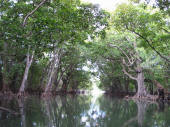
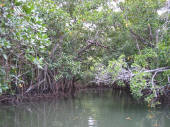
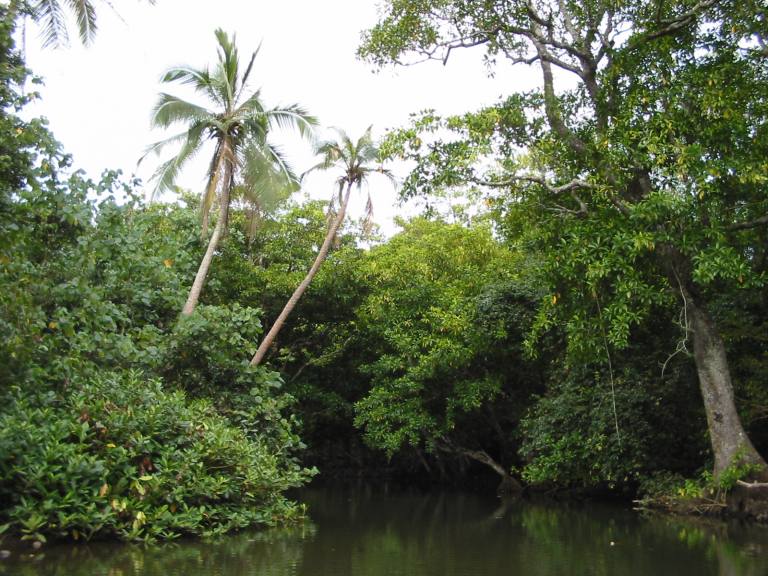
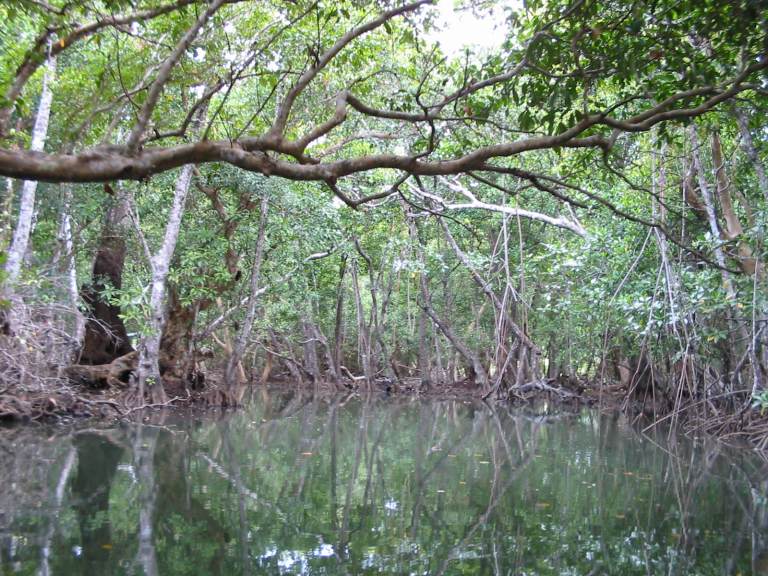
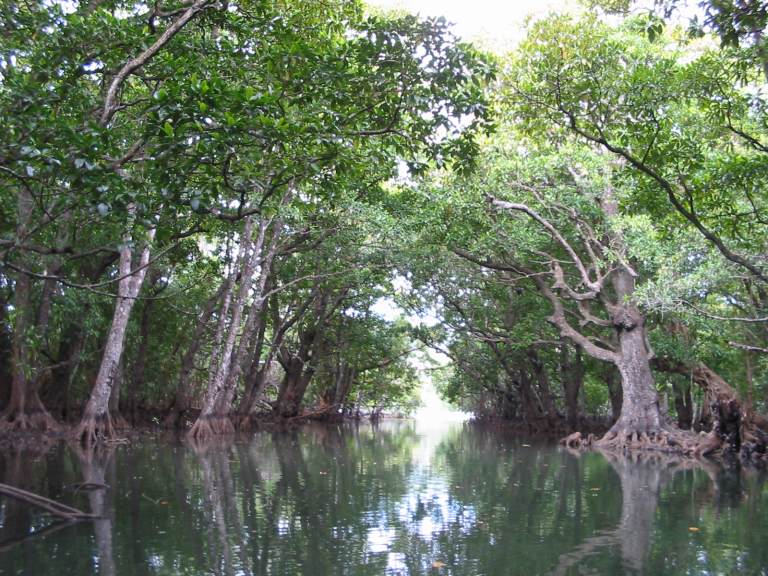
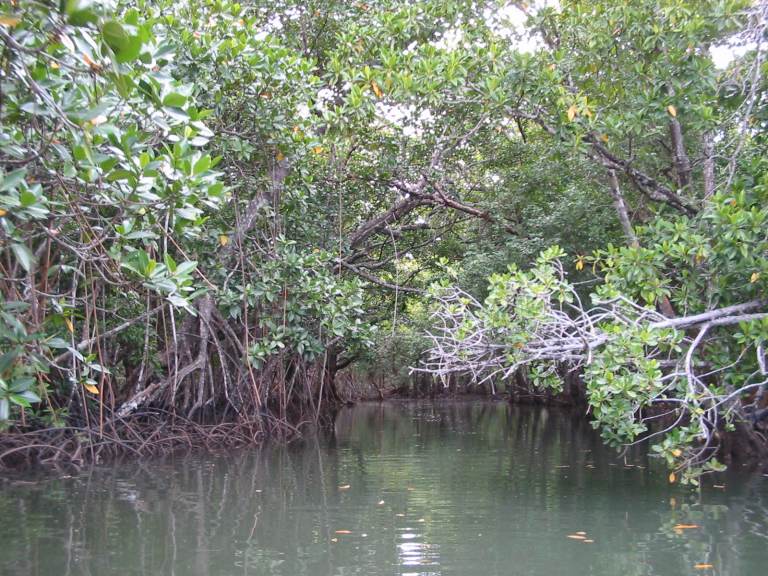
Murder Creek on Malekula Island, it was
one of our many explorations by dinghy up the rivers and creeks of Vanuatu. We
never found out why this one was called Murder Creek, but the atmosphere was a
bit spooky amongst the dense mangroves.
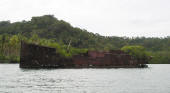
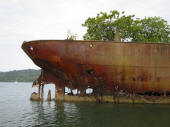
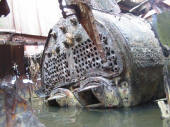
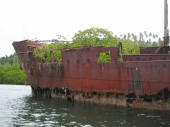
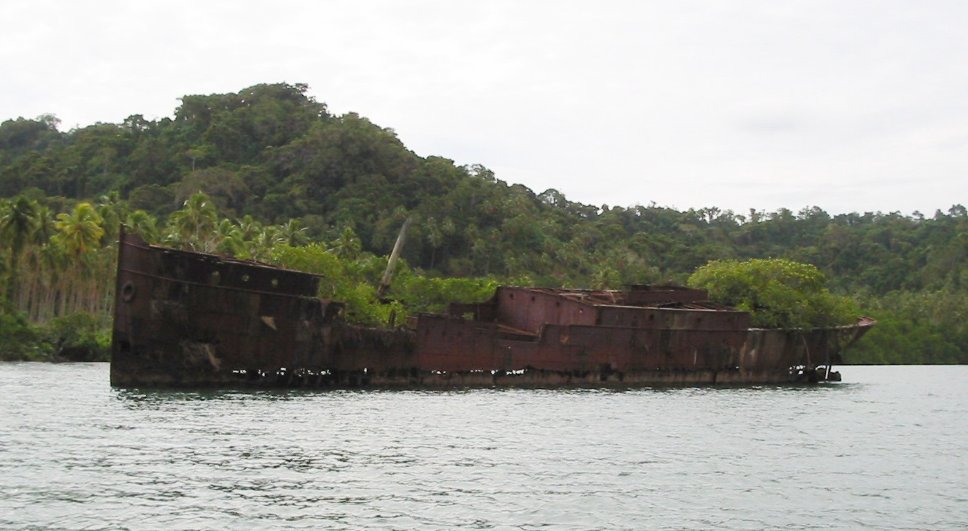
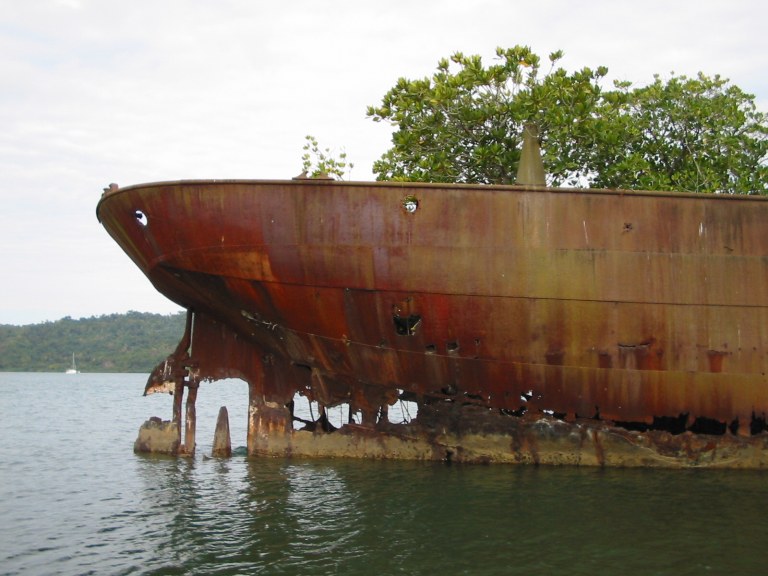
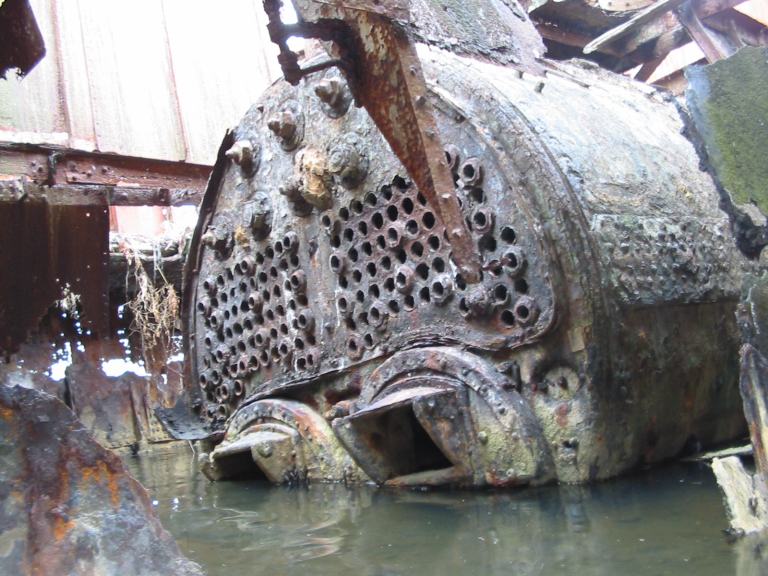
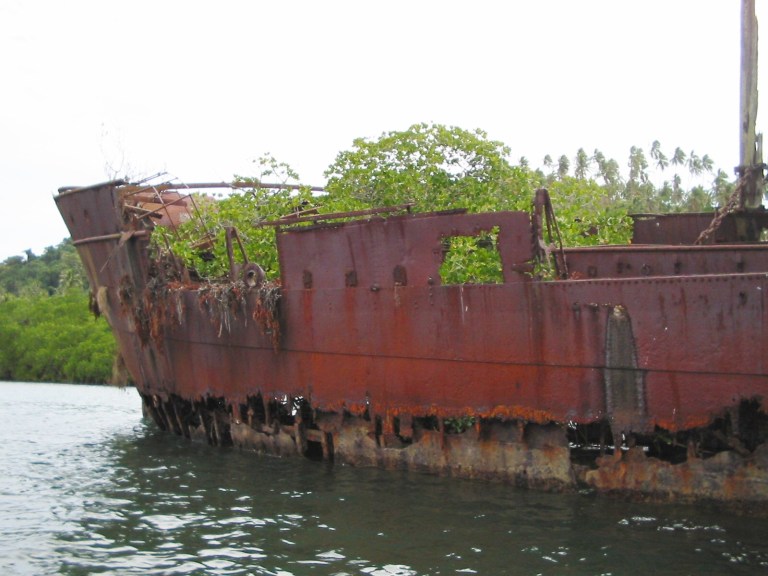
This Island Trader was beached in a
cyclone and is now slowly overgrown by mangroves.
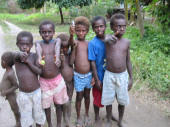
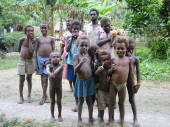
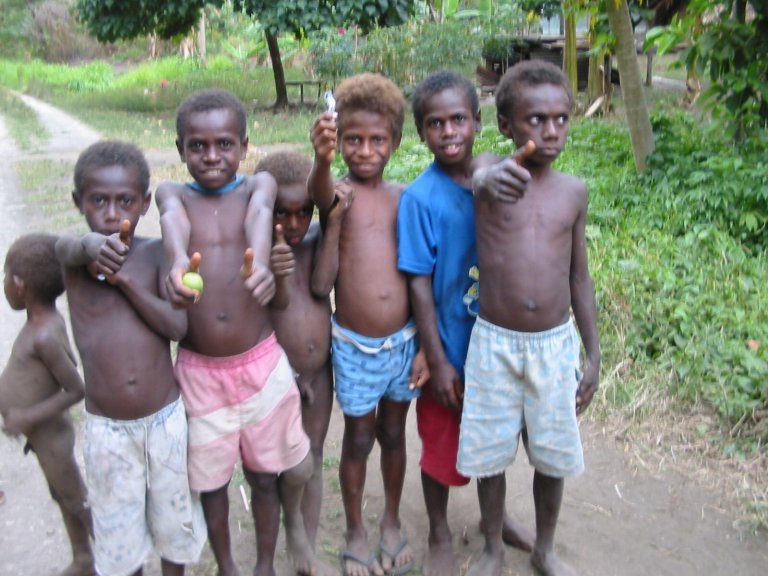
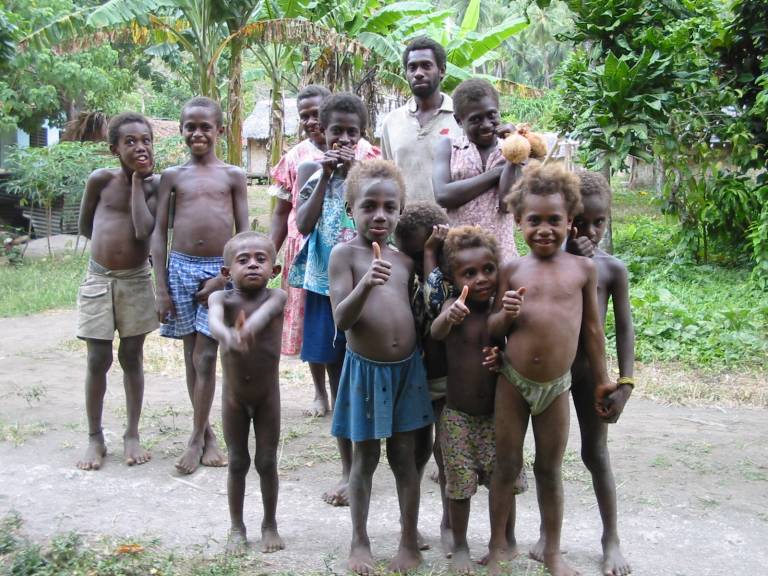
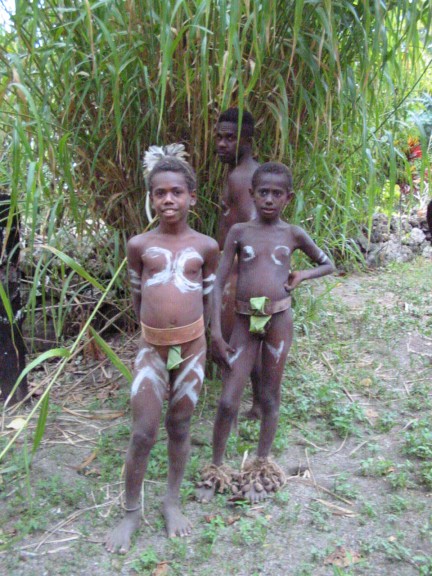
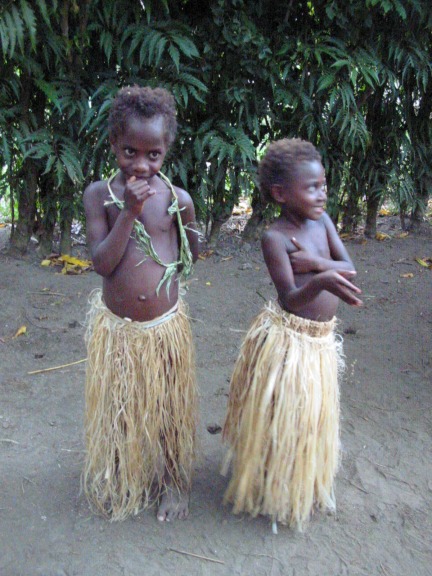
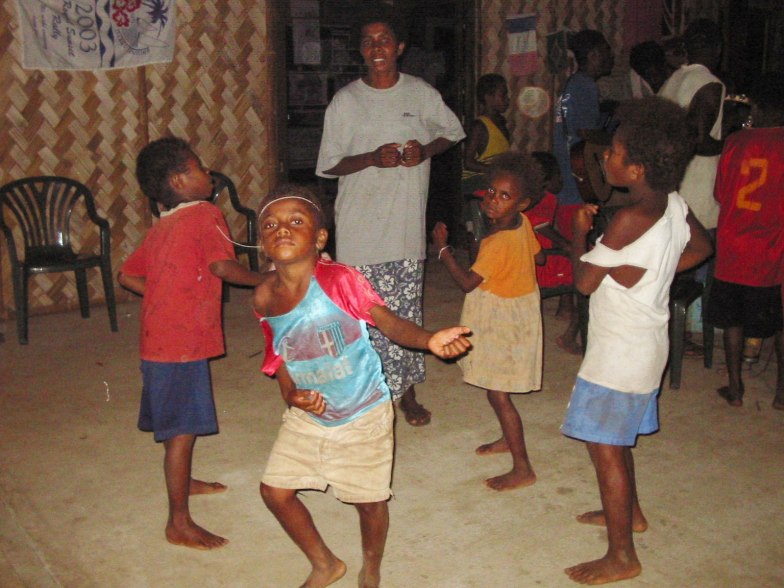
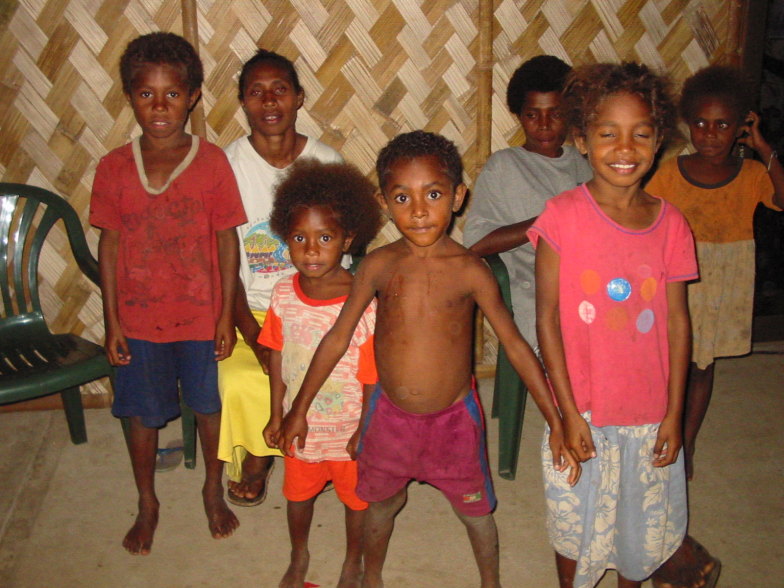
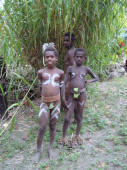
The children on all the islands were
always keen to have their photo taken - and they knew exactly how to pose and
were to expect the photo to become visible on the screen of a digital camera.
People with "normal" cameras had a difficult time explaining that film needs to
be developed first.
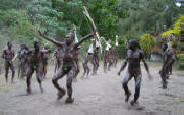
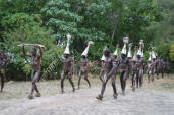
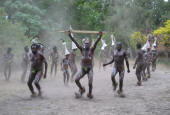
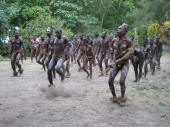
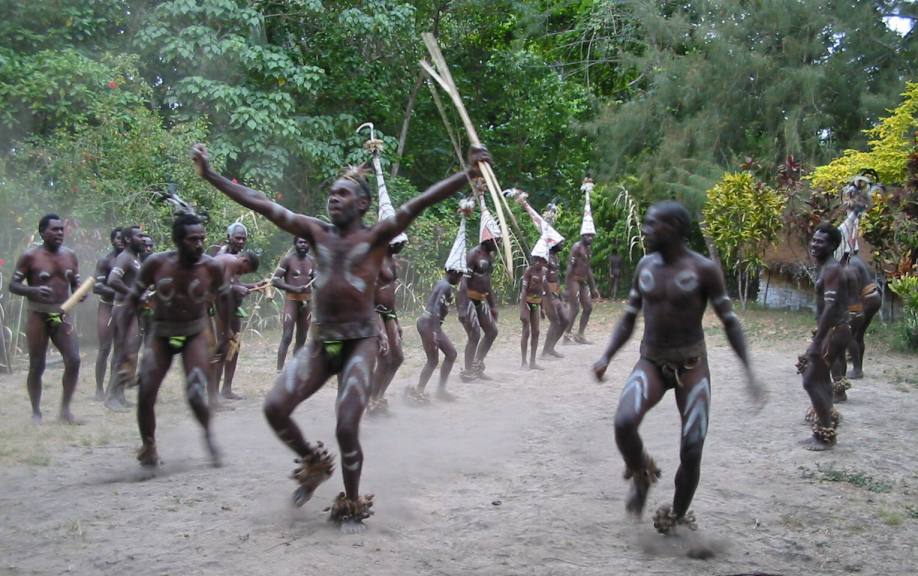
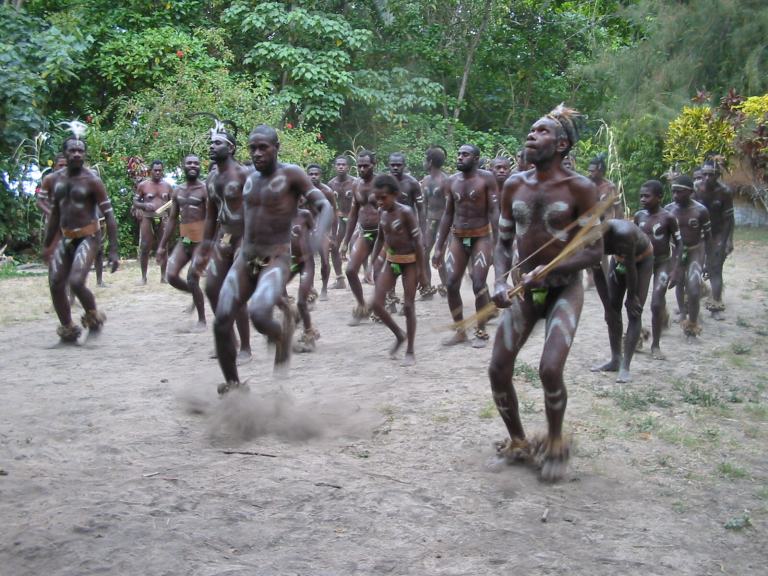
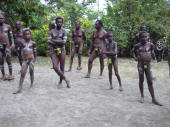
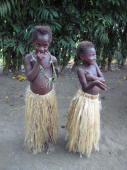
Custom dancing in Banam Bay on Malekula
Island - the whole village was involved with great enthusiasm!
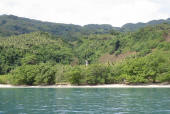
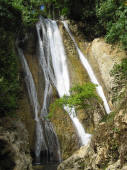
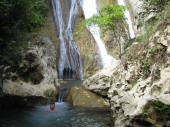
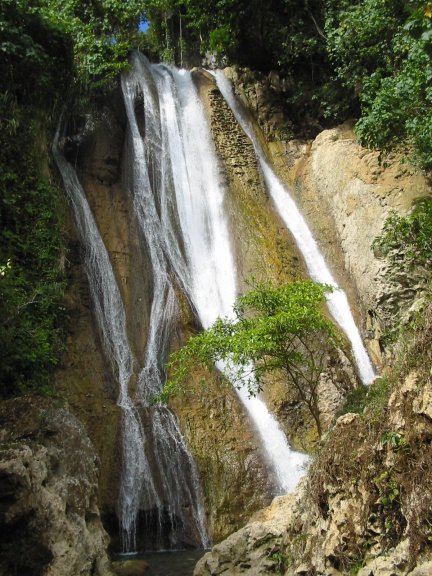
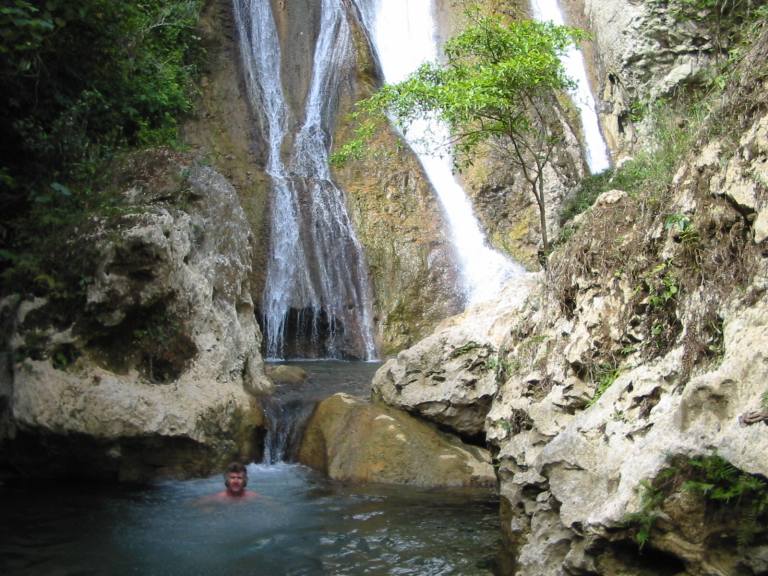
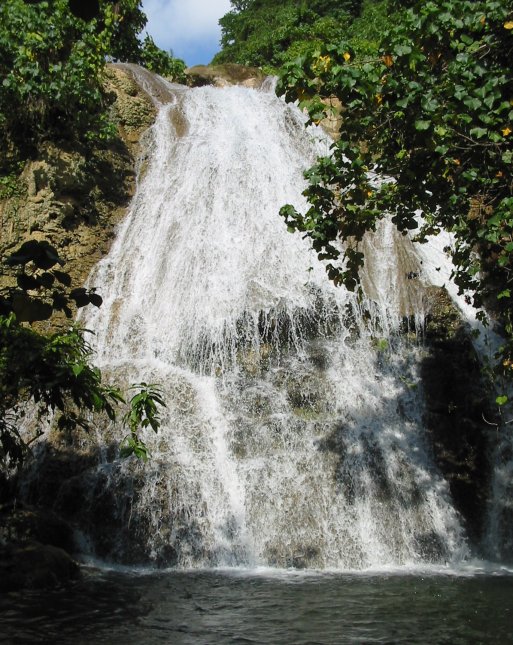
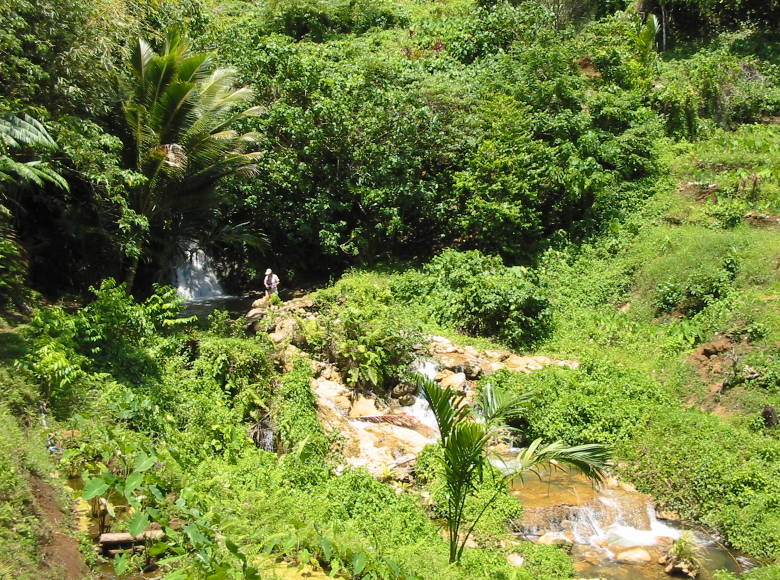
Approach and close-up of a spectacular
waterfall on Pentecost Island
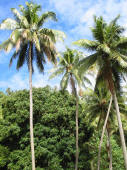
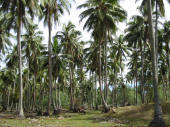
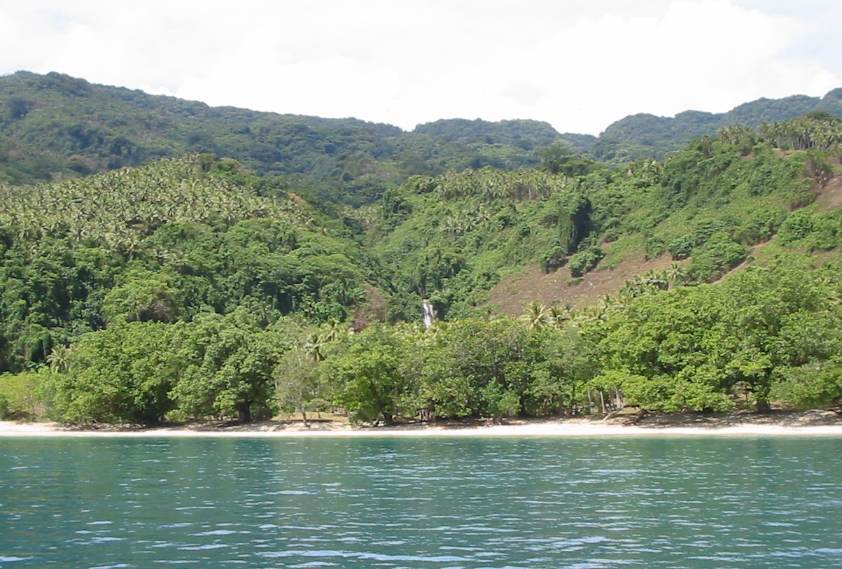
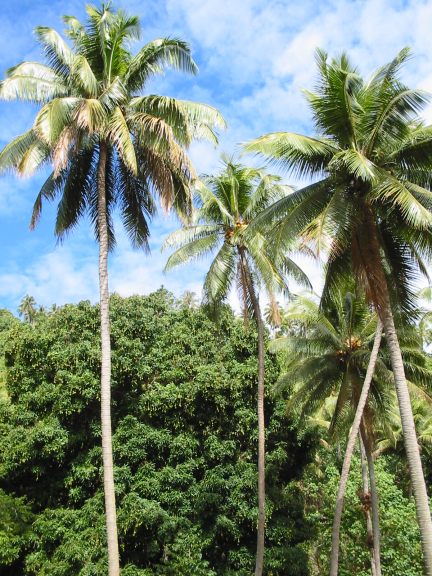
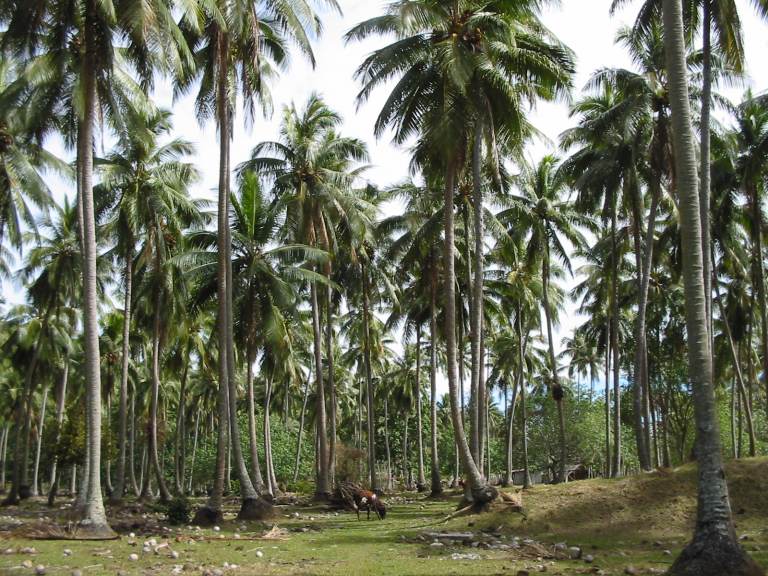
A coconut plantation on Pentecost
Island with some large mango trees in between. Dried coconut meat (copra) is
still one of the main export products of Vanuatu.
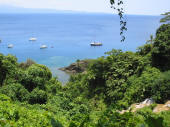
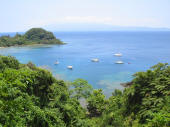
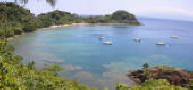
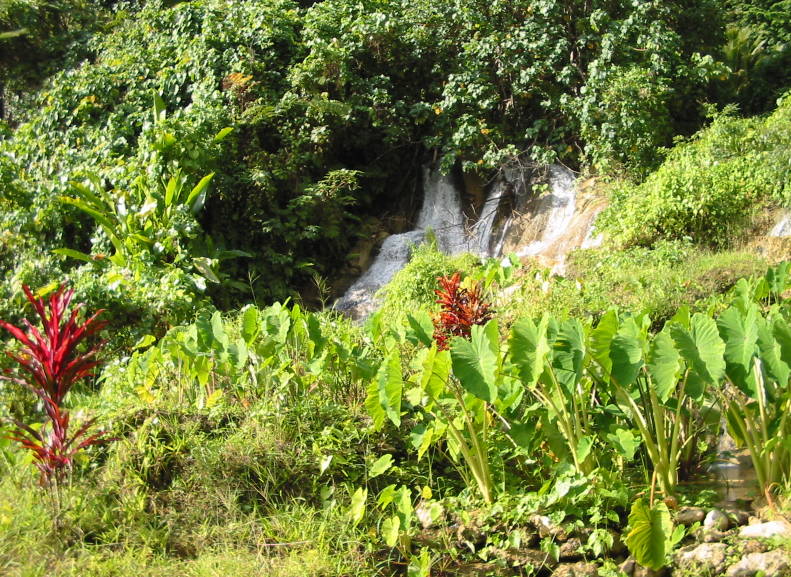
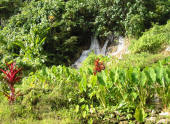
The anchorage in Asanvari on the lower
end of Maewo island was absolutely stunning with clear water, a beautiful reef
and another spectacular waterfall. Next to the water we found the gardens
of the villagers, where water-taro and other crops are grown.
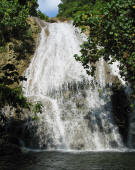
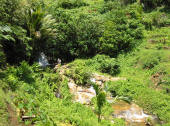
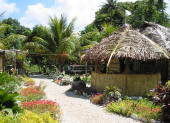
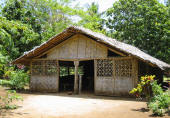
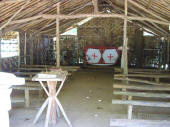
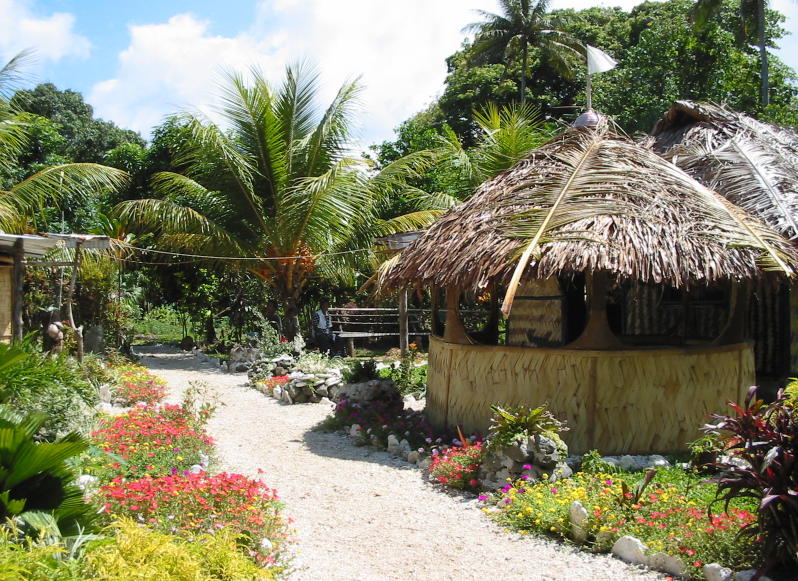
The village at Asanvari was exceptionally
neat with raked paths and flower gardens. Further up in the hills we found
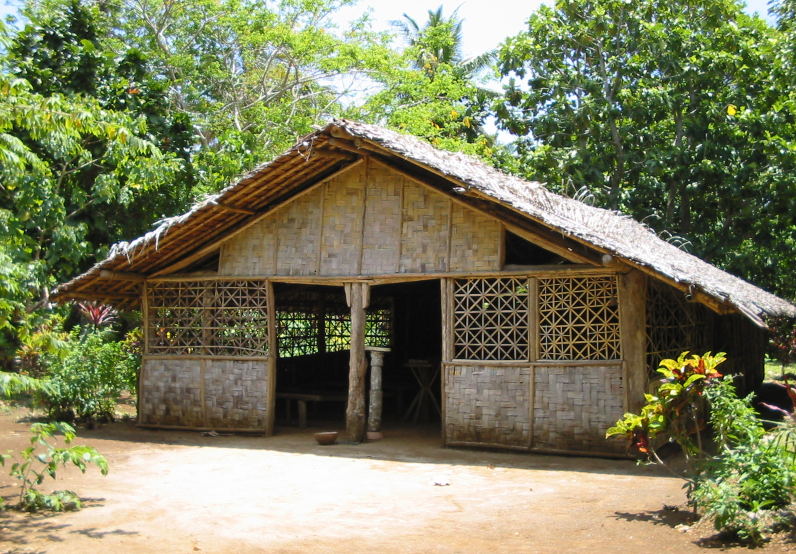
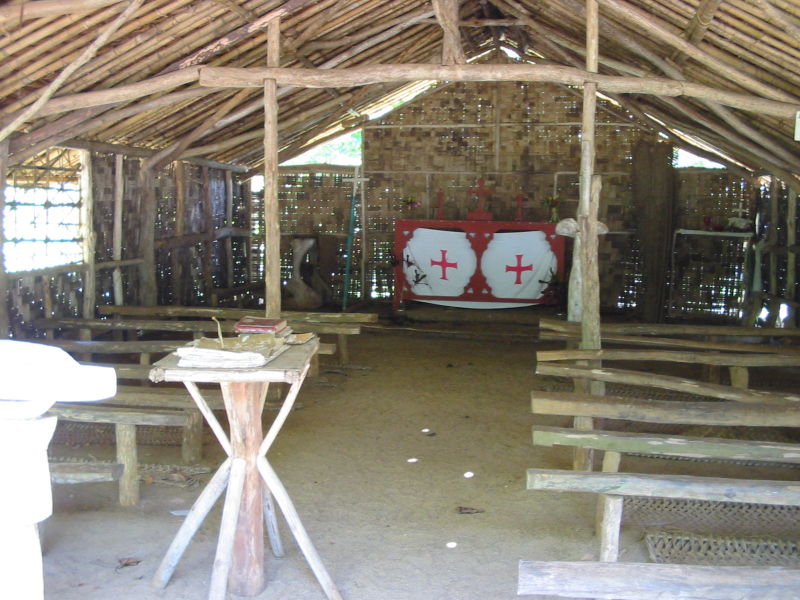
another small village with a beautiful church.
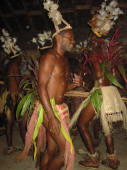
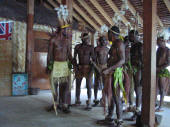
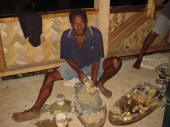
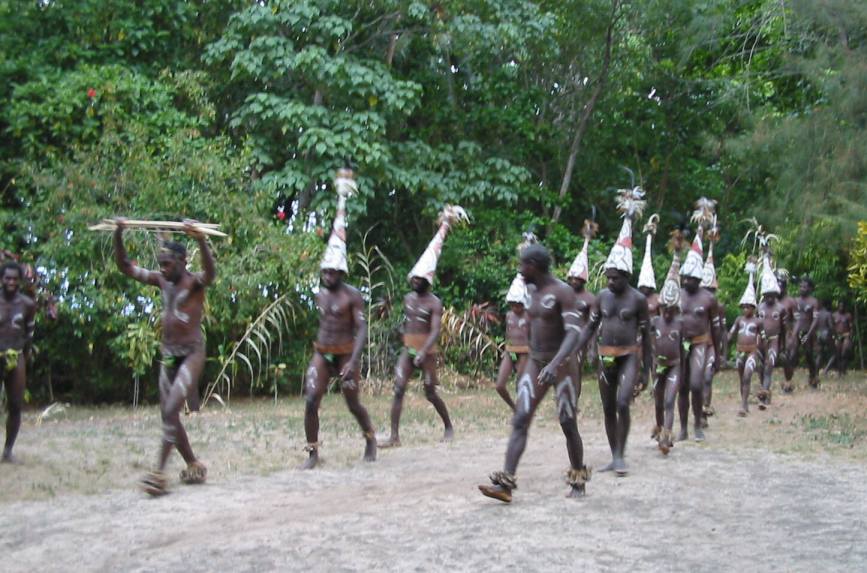
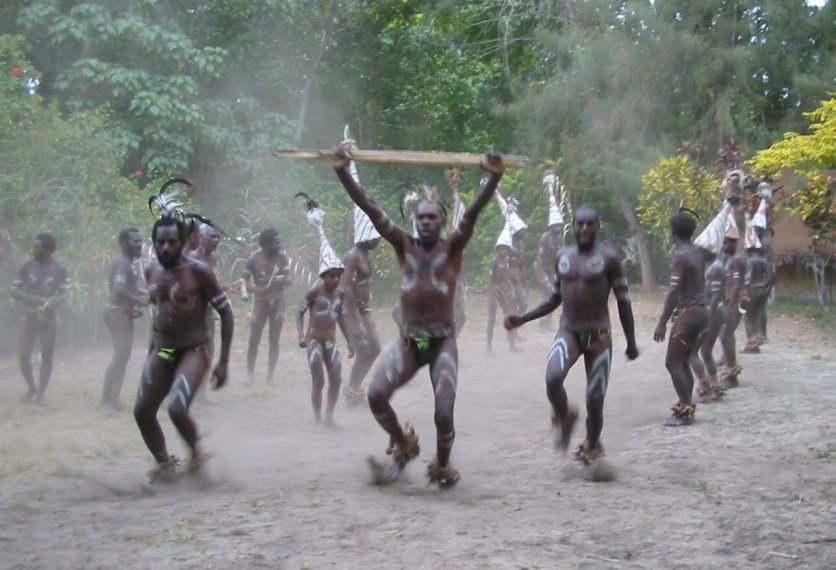
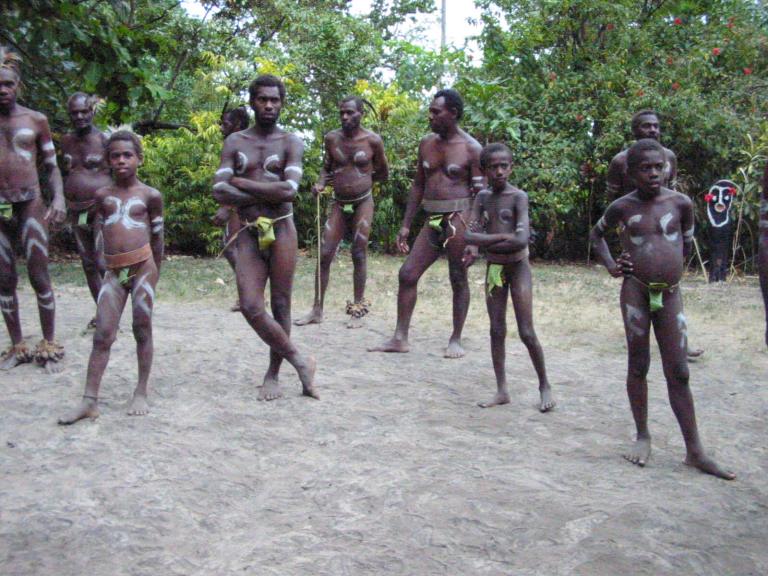
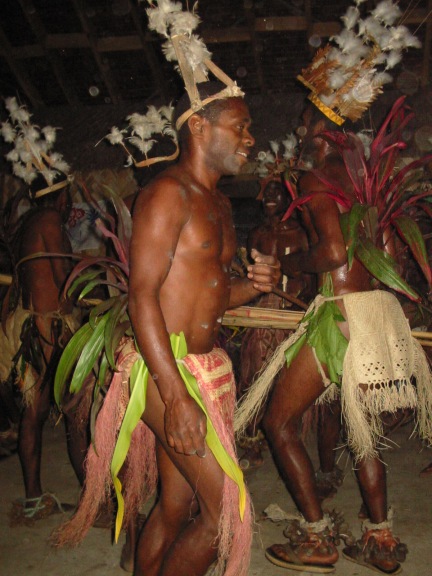
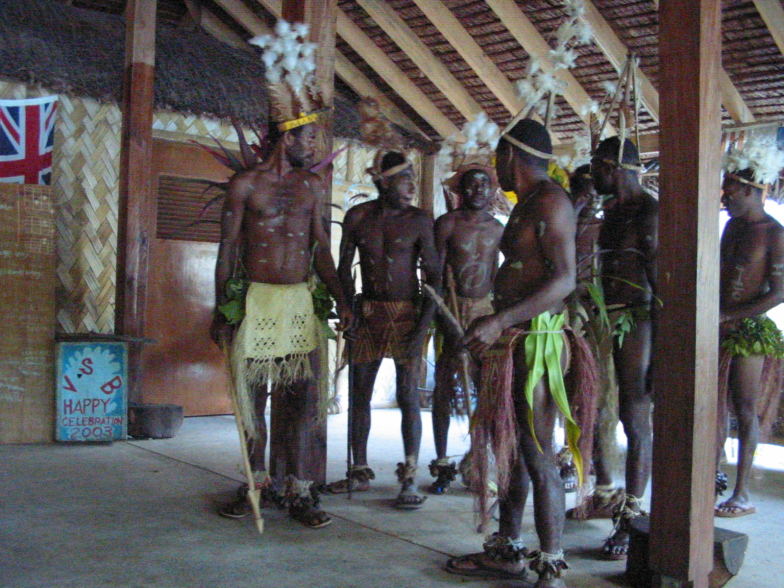
We attended another custom dance at
Asanvari. The natives there belong to a different tribe to the ones at Banam Bay
and therefore wear different traditional clothing. After the dance we were
presented with Kava, a strong alcoholic drink prepared from fermented, finely
ground kava root.
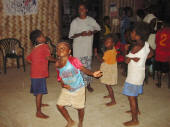
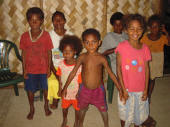
Even all the kids got involved when the
local band played after the custom dance and they seemed to enjoy themselves a
lot.
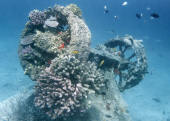
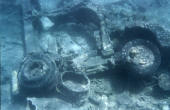
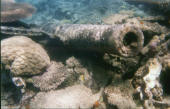
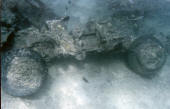
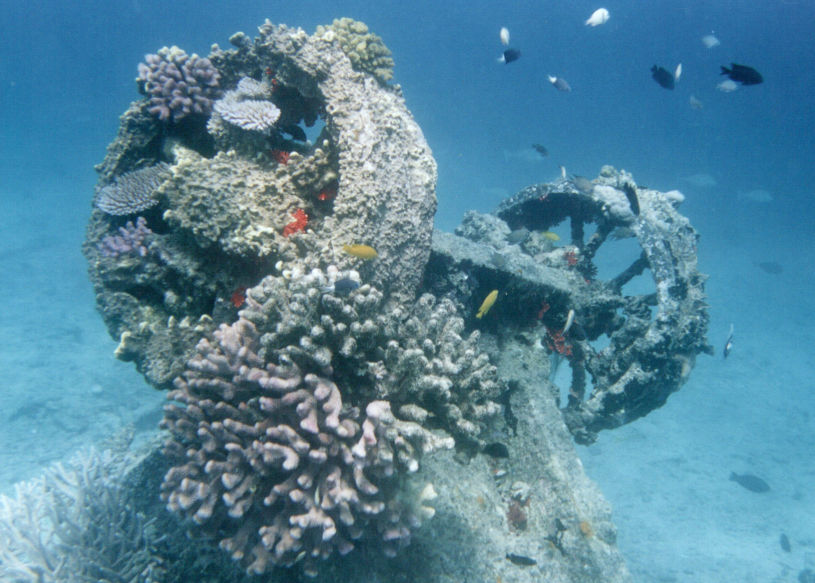
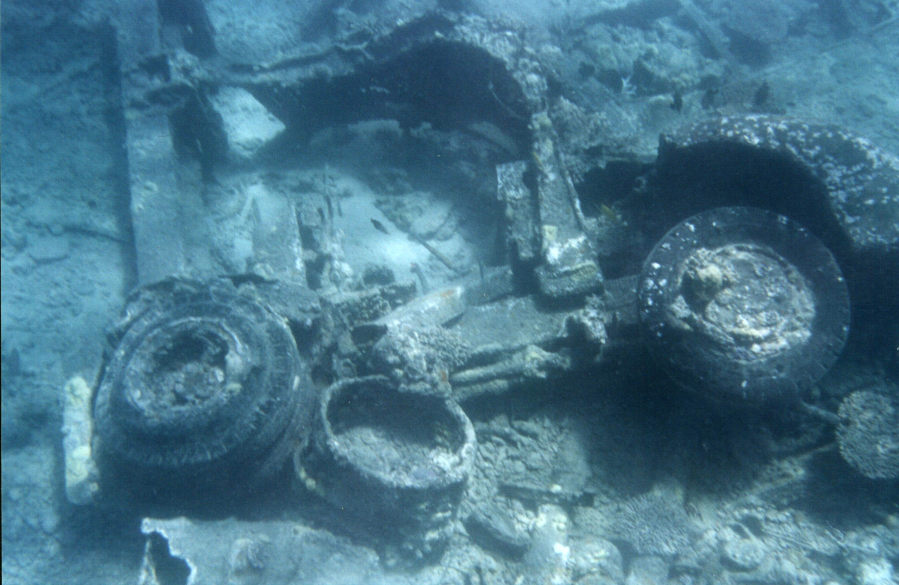
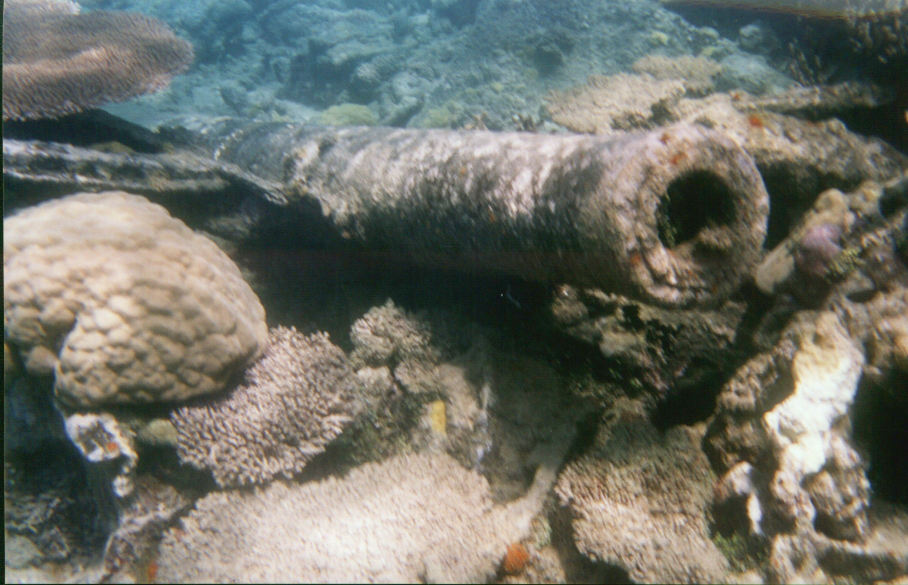
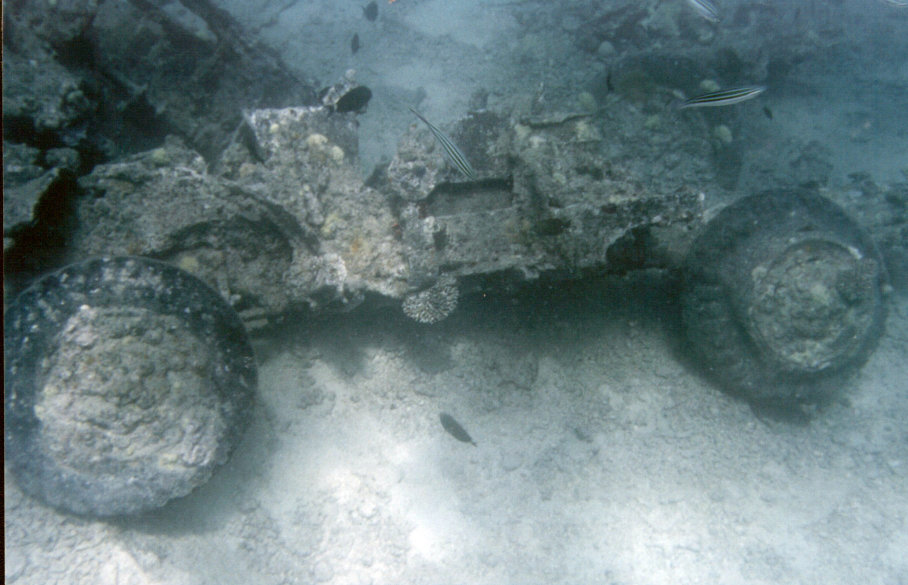
During World War II many Americans were
stationed in Vanuatu. At the end of the war the Vanuatu government declined to
buy the army equipment for a low price, hoping to get it all for free at the
end. But the Americans decided to drive everything, they couldn't take, from a
jetty near Luganville into the ocean. This place is now called Million Dollar
Point and it it a world renown diving paradise creating substantial tourist
dollars for Vanuatu. Everything from fork lifts over cannons and jeeps to
landing barges can be found here, now encrusted by coral and home to a colourful
fish life.
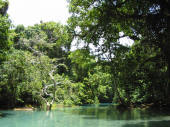
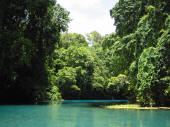
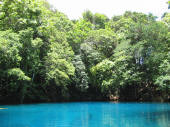
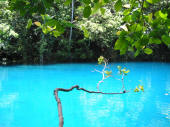
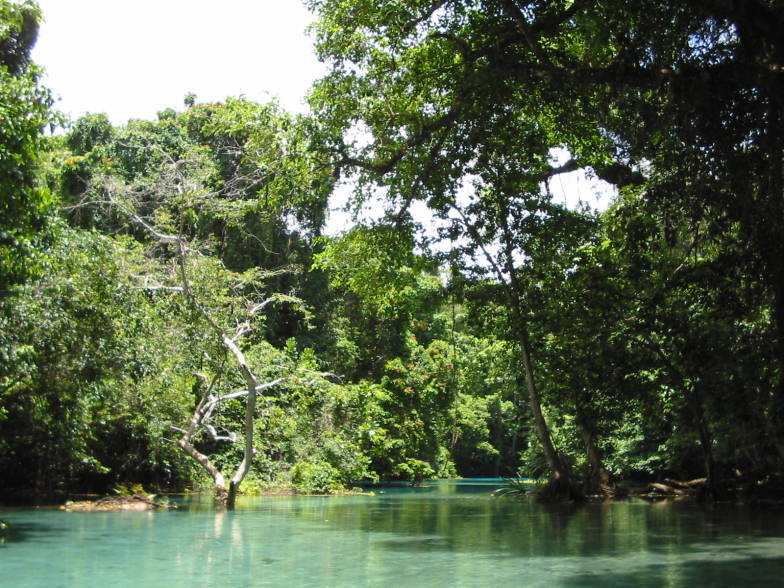
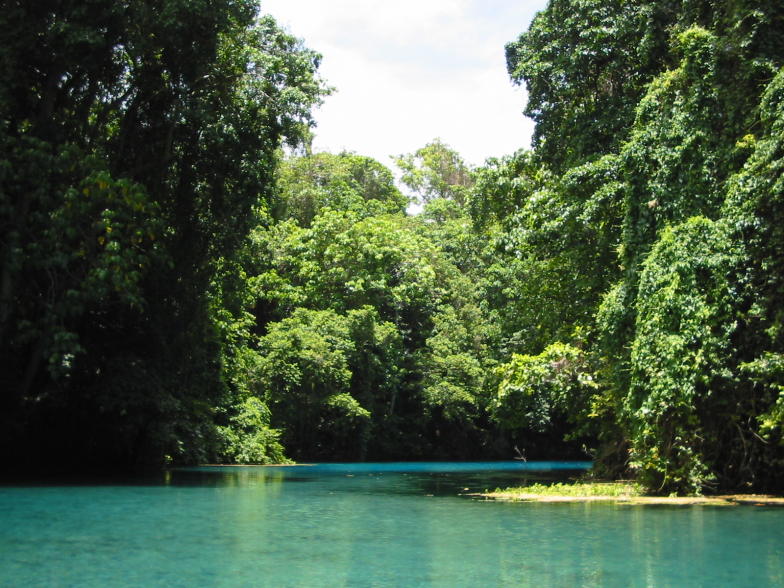
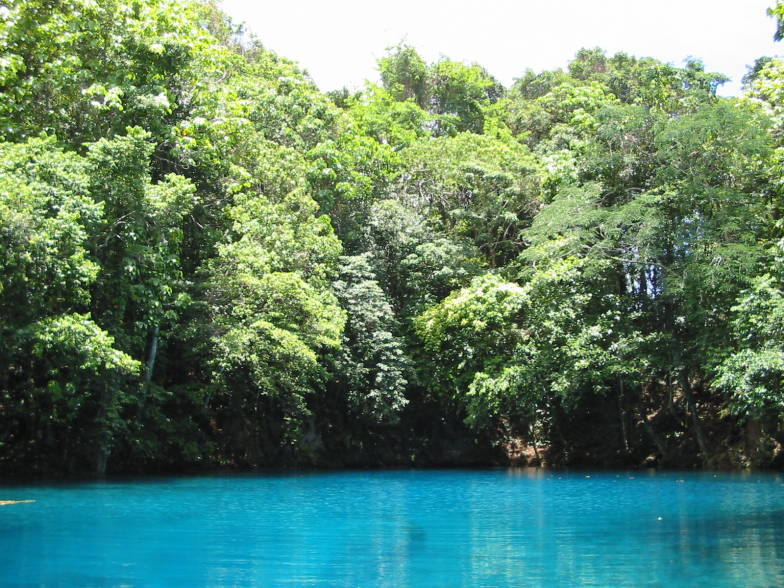
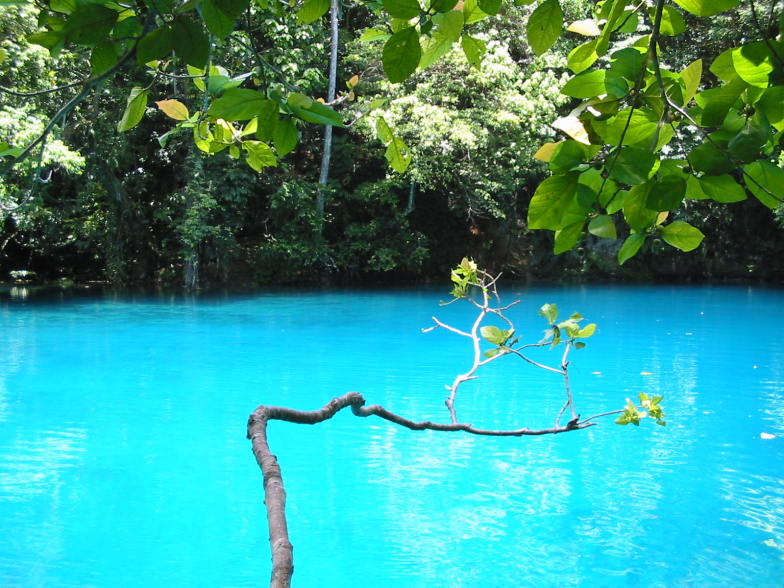
Yet another creek, this one in Peterson
Bay on Espiritu Santo. At its end was a deep pond aptly named "Blue Hole" - the
colours were spectacular !
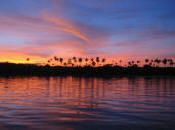
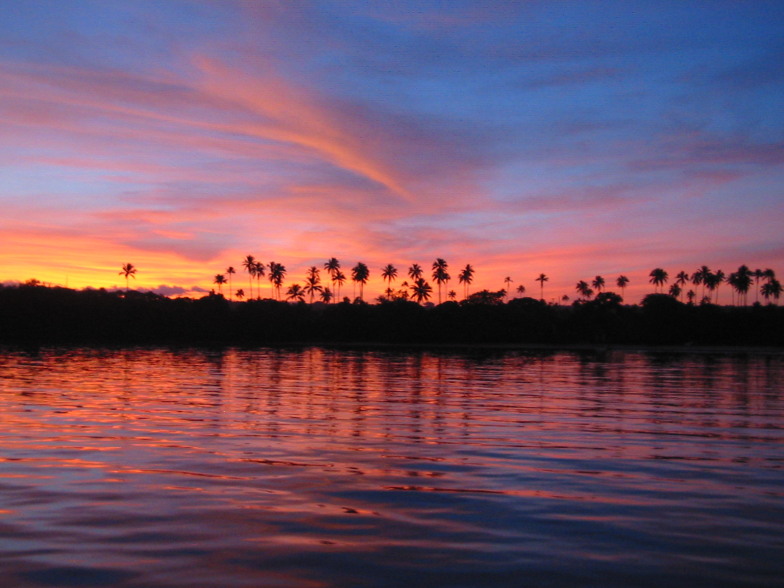
Last sunset over Espiritu Santo, just
before our return journey to Australia.
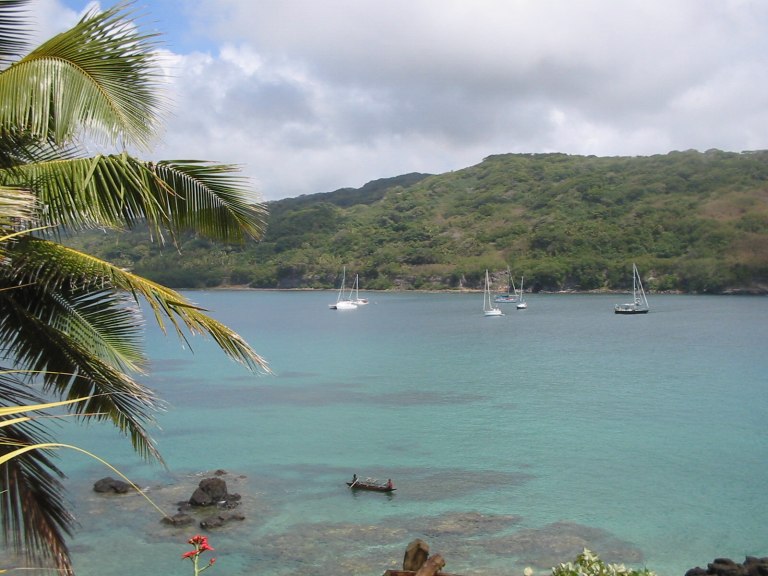
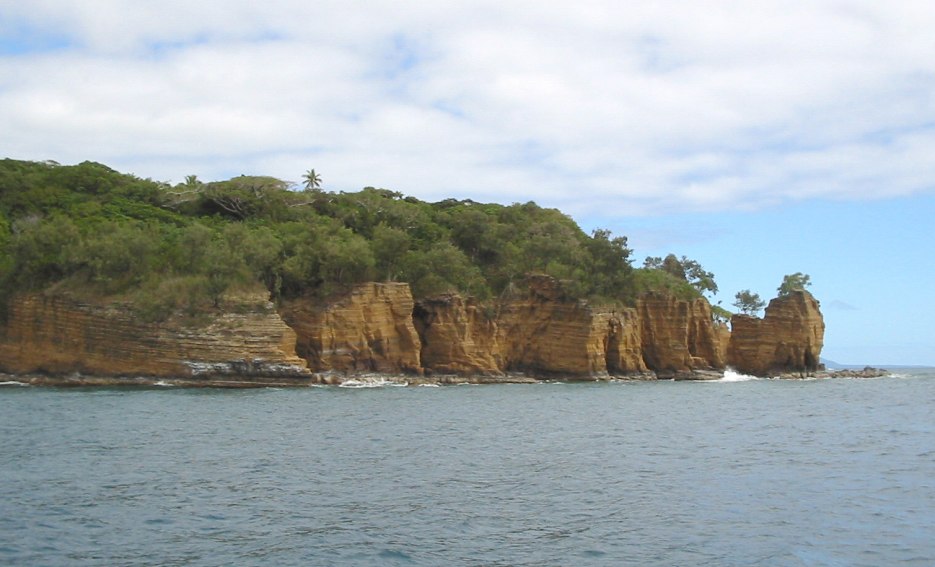 Port
Resolution on Tanna Island: This port was named by Captain James Cook, who
reported it as being 40 m deep. But since then the area has been uplifted and
measures now barely 5 m in depth. The cliffs with
their visible layers were once part of the seabed.
Port
Resolution on Tanna Island: This port was named by Captain James Cook, who
reported it as being 40 m deep. But since then the area has been uplifted and
measures now barely 5 m in depth. The cliffs with
their visible layers were once part of the seabed.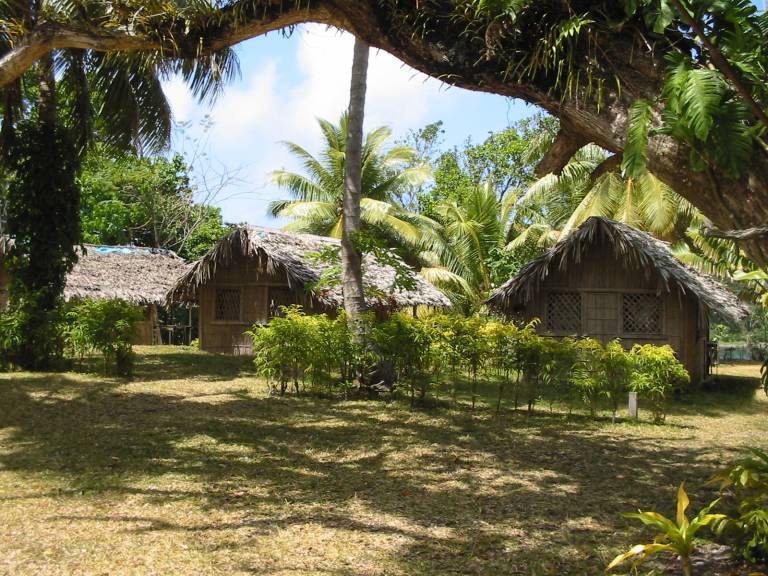
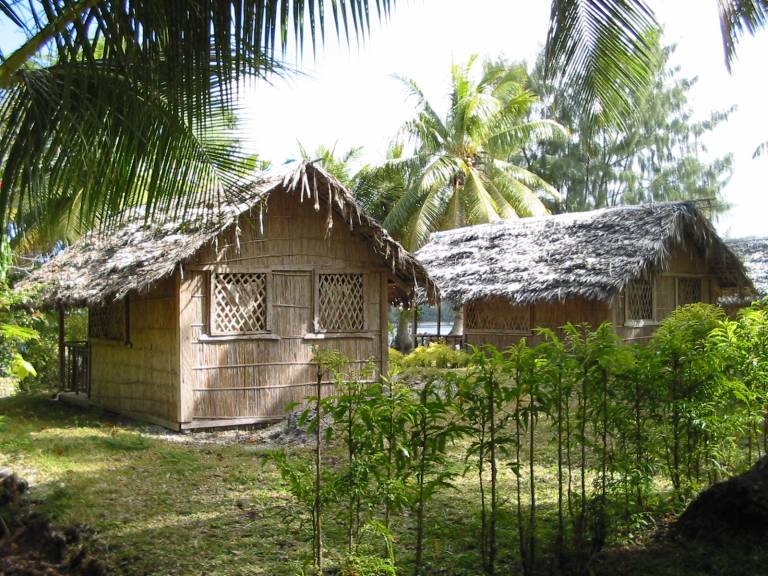 Guesthouses
in Port Resolution: Visitors come mainly to see the active volcano.
Guesthouses
in Port Resolution: Visitors come mainly to see the active volcano.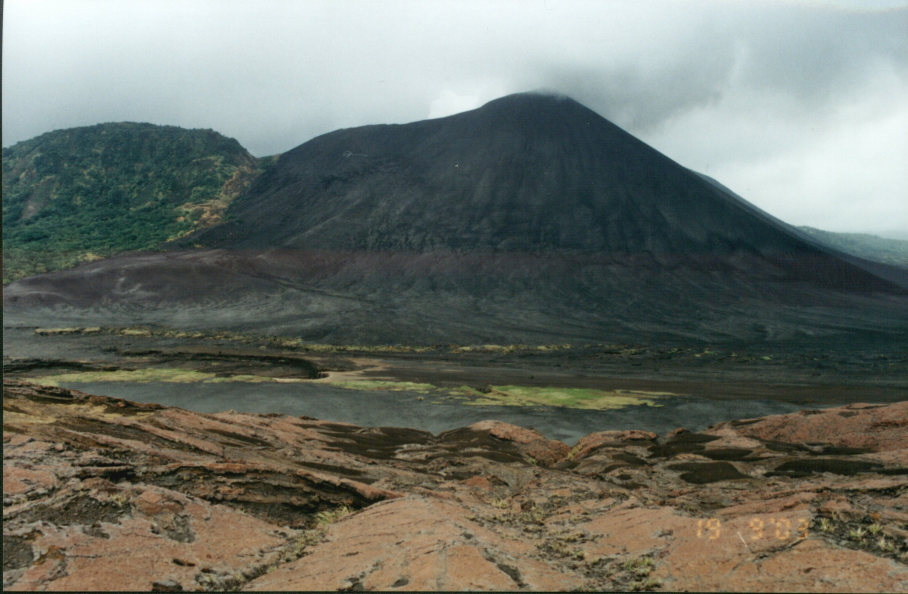
 This
yacht didn't make it! Due to a navigational mistake at night, they cut the
corner a bit fine and ended up on the rocks. All people got off safely and the
villagers helped to strip the boat of the most valuable possessions before it
broke up. The yacht was only 12 months old.
This
yacht didn't make it! Due to a navigational mistake at night, they cut the
corner a bit fine and ended up on the rocks. All people got off safely and the
villagers helped to strip the boat of the most valuable possessions before it
broke up. The yacht was only 12 months old.