The Ruby Mountains:
The name comes from tiny garnets that are found in the rocks of the Rubies - rumor says that early pioneers thought they were rubies.
Although the tiny stones aren't 'precious gems', the Ruby Mountains are a Jewel of Nevada.
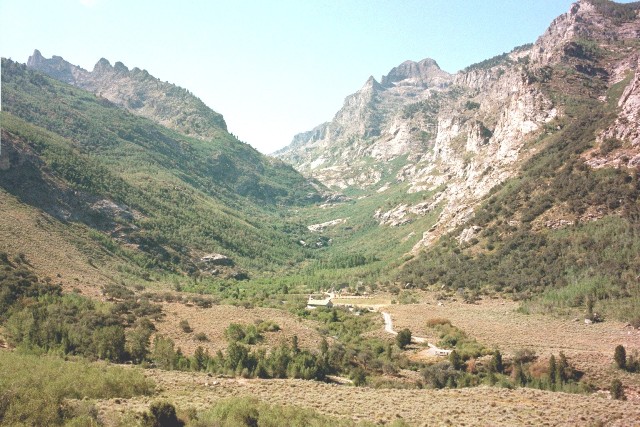
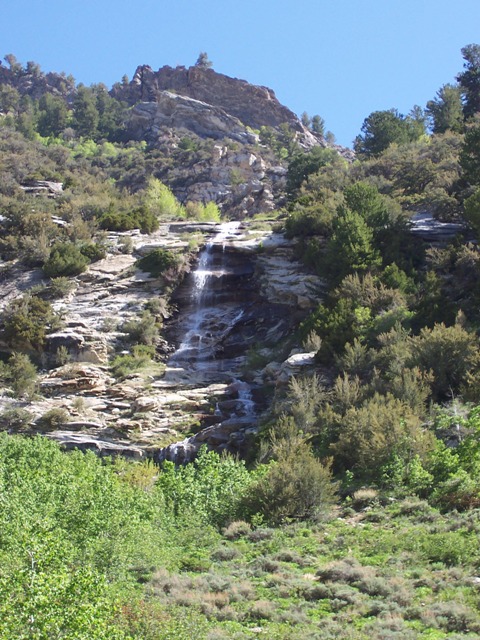
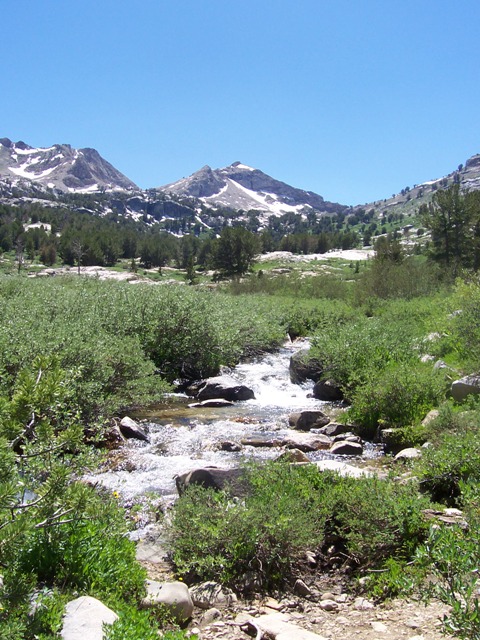
The range stretches from near Eureka to just south of Elko. Unlike most mountain ranges in the Great Basin, the Rubies were glaciated during the ice ages, and the results are a series of dramatic U-shaped valleys, waterfalls and high mountain lakes.
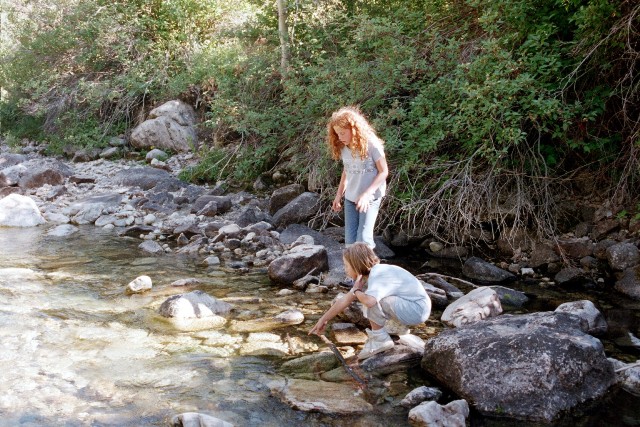
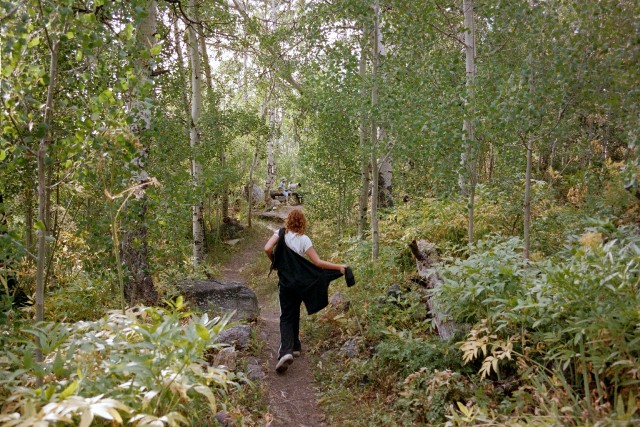
Parts of the Rubies are open range, but most of the mountain range is within the Humboldt National Forest system. The mountains are popular with hikers and backpackers, fishermen and hunters, as well as a favorite local spot for a picnic or an overnight camp.
The peaks rise above 10,000 feet, and 'catch' a lof of winter snow. The Ruby Mountains are one of the top three locations in North America for 'wild' skiing: Ruby Mountain Heli-Ski will fly you up and let you loose to find your own way down in the winter powder snows.
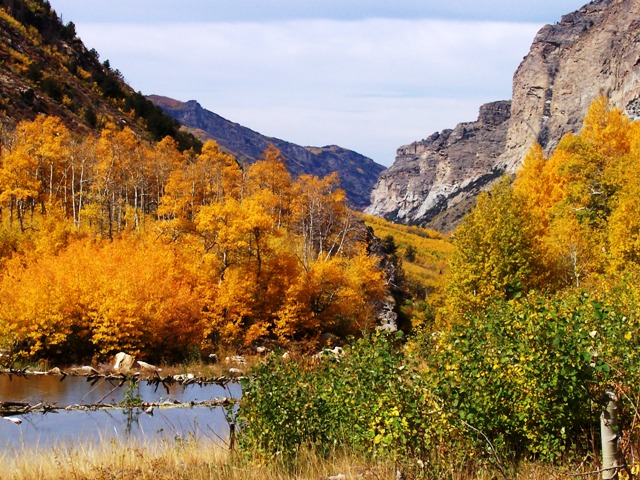
We like to drive up Lamoille Canyon (one of the largest canyons, and the only one with a paved road) to the trailhead, hike, picnic and sometimes camp overnight along the creek. The Canyon is also a great spot to see wildlife: deer, bighorn sheep, Rocky Mountain goats, and smaller mammals can often present. There are mountain lions, bobcats and black bear in the Rubies as well, but they are far more shy.
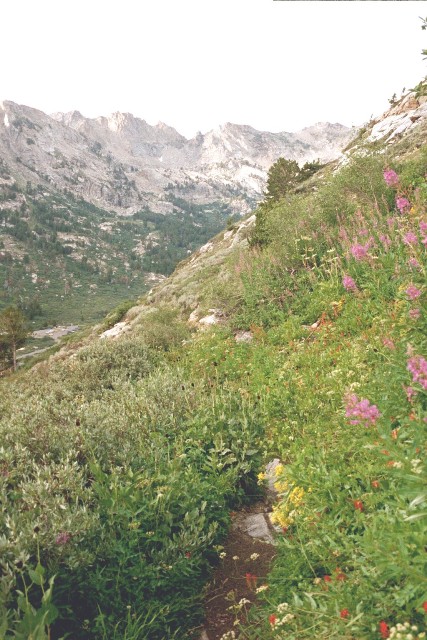
I go for the hiking and the wildflowers. Seeing deer or other large animals is a bonus.
On the other side of the Rubies from Elko lie the Ruby Marshes, a major stop for migrating water fowl. Many of them nest there and raise families. There is good fishing at the Marshes as well. The Marshes are about an hour and a half's drive from Elko, and there are paved roads most of the way . |