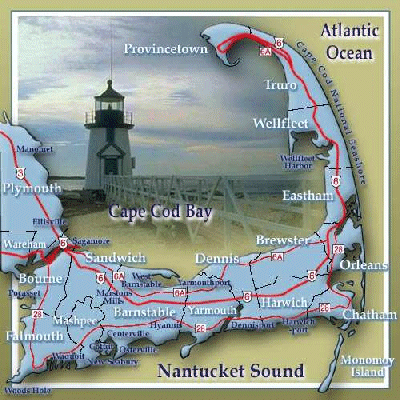
Cape Cod is many things to many people. To architects, it is a style; to
gourmets, a cruisine; to artists, changing moods and patterns of light, color
and space. Summer visitors see it as beaches, shops, entertainment, country
clubs, and, often, a chance to rub elbows with celebrities. But to residents,
Cape Cod is a haven where their way of life can proceed undisturbed, even
by the annual influx of tourists.
To the pilgrims, however, the cape was a bleak spot far from their intended
destination, the Hudson river. While at anchor they drew up the Mayflower
Compact, then hurried across the bay to make their storied landfall on Dec.
21, 1620.
Despite the veneer of 20th-century summer gaiety, many Cape Cod towns
are little changed. Old houses, some of them built by prosperous 19th-cen-
tury sea captains who filled them with mementos of their world travels,
still line some streets. Although they are now mostly pleasure craft rather
than fishing or whaling vessels, boats leave the docks each day just as in the
1700's and 1800's. Tourism and cranberry culture are the leading sources
of income.
The Cape Cod National Seashore protects some 28,000 acres of beaches,
glacial cliffs, ponds, dense forests and open health. Nature trails lead to a
number of interesting areas.

|