| Mastering Manipulatives |
| Good manipulatives engage students 1. Always allow free exploration before using new manipulatives in lessons. 2. Remember, tiny hands need larger materials. 3. Allow plenty of time for each manipulative experience. 4. Expect and encourage discussion among the children as they work with the materials. Good manipulatives are easy to use and put away 1. Collect containers for the manipulatives. Shoe boxes, plastic crates, plastic tubs, ice trays, egg cartons, ziploc bags, or berry baskets work very well. 2. Set aside a special place in your classroom for manipulatives. Manipulatives should be in easy reach for children. Label that place. 3. Demonstrate how to return the manipulatives to the container. 4. Model how to return the manipulatives to the shelf. Good manipulatives relate to students and their work 1. Collect real world items. Enlist the children and their families to help collect items. Use newsletters to request future math treasures. 2. Create work mats to contain manipulative experinces. Pictures of students of their home or belongings work well. 3. Encourage children to use materials to problem solve. Praise that independent thinking! |
| "If I see it, hear it, and do it, I'll understand it!" |
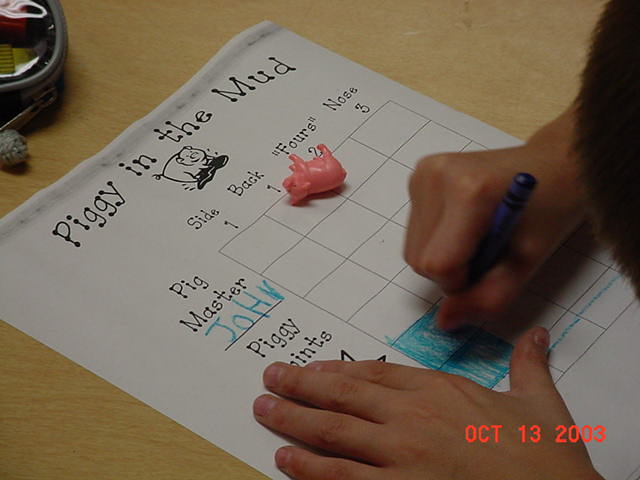
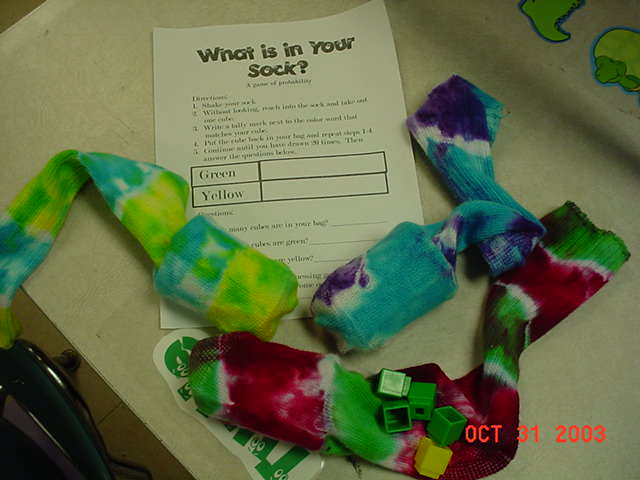
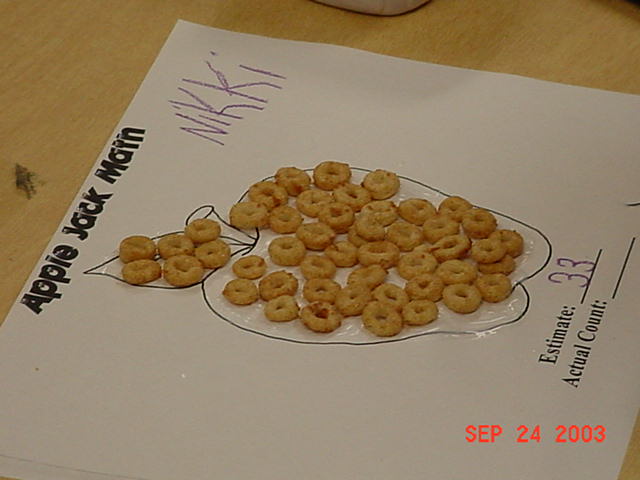
| The possibilities for manipulatives are endless! Try these! Food Toys Clothing |
 |
 |
 |