











|
|
|
|
|
|
|
|
|
|
|
|
|
|
|
|
||||||||||||
|
|
|
|
|
|
|
|
|
|
|
|
|
|
|
|
|
|
|
|
|
|
||||||
| impacts:: Impacts on Human Health | |
The chance of being infected by infectious diseases is getting higher, so even if the infectious disease threat in the United States remains relatively low, the trend is up. Nowadays the death rate in the United States is nearly doubled to some 170,000 after reaching an historic low in 1980 (CIA, 1999). One of the most recent problems is that most diseases are introduced from outside its borders, for example transmitted by international travelers, immigrants, returning US military personnel, or imported animals and foodstuffs. HIV/AIDS, hepatitis C, bird flu, TB, and new variants of influenza are probably the most important diseases to focus on now and in the future. Since 1995 multi-drug therapies have helped reduce HIV and AIDS deaths by two thirds to 17,000 per year (CIA, 1999), but new infections will sustain the threat. |
|
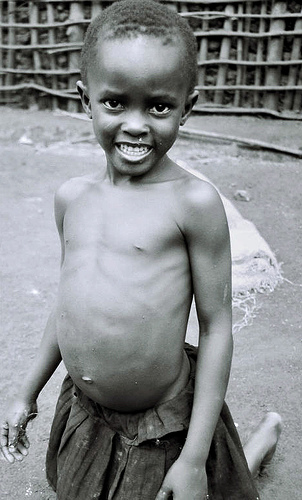
Developing countries will continue to experience the greatest impact from infectious diseases. Because of malnutrition, poor sanitation, poor water quality, and inadequate health care the conditions in some regions are very poor. But even developed countries and regions will have to deal with this more and more. For example Asia is likely to witness a dramatic increase in infectious disease deaths and the chance of surpassing Africa in the number of HIV infections is dangerously high. Largely driven by the spread of HIV/AIDS in South and Southeast Asia and its likely spread to East Asia by 2010 (CIA, 1999), the world situation could be worse than ever before. But it also spreads in other regions like Europe and the Americas and the global situation is getting worse so fast that there is not a lot of time left to make a global decision. Even if the situation in Africa looks the worst at the moment, it is very important for other countries to try to stop all kinds of infectious diseases from spreading, not only for reasons concerning health but also economic, social, and political ones. In some cases, the infectious disease burden may even provoke economic decay, social fragmentation, and political destabilization. Though countries in the developing regions and those formerly under communist regimes are most affected, other countries like the USA that are in business contact are also going to be hit very hard. These negative impacts lag behind the spread of AIDS because it takes approximately seven to eight years before HIV-infected people become seriously ill and die. |
|
next page:: impacts:: Economic Impacts |
|
|
|
|
|
|
|
|
|
|
 |
|
|||||||
 |
 |
 |
 |
 |
 |
 |
 |
|
 |
 |
 |
 |
|
||||