


and whistles were added. One change, however, was purely practical.
Several rows of toggle switches were added with miniature lights near
each one. Captain 11 invited birthday boys and girls to find their
�favorite colored jewel and turn the switch on right underneath�.
The switches were included on all subsequent Captain 11 sets.
The switches came to have extra significance for injured, sick and
disabled children. Dedrick learned about a young boy who had been
badly burned in an accident. His name was Roger Anderson. Both
of Roger�s legs had been amputated as a result of his injuries. Roger
was a big fan of Captain 11.
Dedrick was greatly touched by Roger�s bravery and determination.
Captain 11 started flipping a special emerald switch for Roger during
each show with hopes of a speedy recovery. Switches for other
children soon followed. It was a tradition that continued on the
program for many years.
The Captain 11 show was growing in popularity with advertisers,
too. A local toy wholesaler, Rich Brothers, provided a full table of
toys for the Captain to pitch on a daily basis. Toy sales were brisk.
Sunbeam Bread also became a regular Captain 11 advertiser.
Dedrick had been the Sunbeam spokesman on KELO-TV before he
donned the Captain�s uniform. It was a perfect partnership.
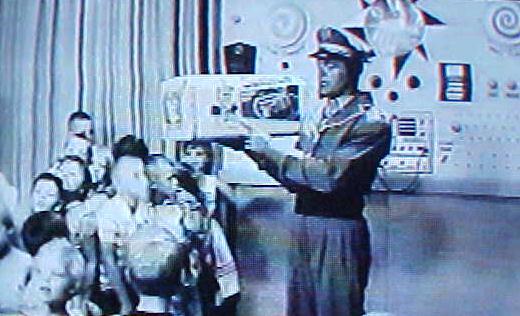
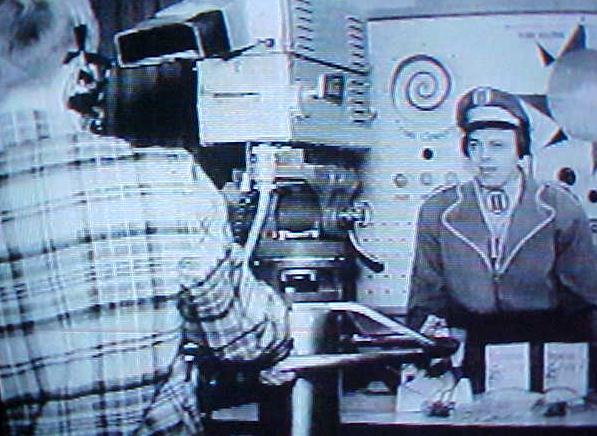
Mom to look for the
Miss Sunbeam label when buying bread (left).
45 minutes�then to 60 minutes�and finally to a full 75 minutes.
At the height of its popularity, Captain 11 was on the air from
4:30pm to 5:45pm every weekday afternoon. A 15-minute national
newscast filled out the remainder of the hour. However, business
eventually leveled off. The show returned to its original half-hour
format at 4:00pm and remained there for much of the show�s run.
Federal regulations for children�s programming changed
dramatically during the 1970�s. The Federal Communications
Commission bowed to demands by an advocacy group called Action
for Children�s Television. Rule changes meant Captain 11 could no
longer pitch products while in costume. Dedrick thought this might
be the beginning of the end for his space-age alter ego.
Many locally produced children�s shows across the country folded.
The hosts of many shows had been paid solely on the basis of
product endorsements�which were now gone. The only shows to
survive were those hosted by full-time station employees, like
Dedrick, who had other duties. Captain 11 would continue.
Unfortunately, other problems for the Captain were on the horizon.