Sudden Infant Death Syndrome (SIDS) is
the sudden and unexplained death of an infant under one year of
age that is only determined after the completion of an autopsy,
a death scene investigation, and a review of the case history.
SIDS, sometimes known as crib death, is the major cause of death
in babies from birth to one year of age.
In the United States,
SIDS takes the lives of thousands of babies every year.
Hundreds of babies
die of SIDS each year in California.
Important
facts about SIDS.
Most SIDS deaths happen by 6 months of age. Slightly more boys than
girls are victims, and most deaths occur during the fall, winter
and early spring months. The death is sudden and unpredictable;
in most cases the baby seems healthy. death occurs quickly during
sleep.
After more than 30 years of research, scientist still cannot find
the definite cause or causes for SIDS. There is no way to predict
or prevent SIDS.
WHAT
YOU CAN DO TO HELP REDUCE THE RISK OF SIDS
Place your baby on their back
to sleep.
One of the most important things you can do to help reduce the
risk of SIDS is to place your baby on his or her back to sleep.
Do this when the baby is put down for a nap or to bed for the
night. Babies that
roll over on their own should not be forced to stay on their back. Babies should
be placed in a variety of positions while awake.
Smoke-free
Create a smoke-free zone around your
baby. Avoid smoking when you are pregnant and after your baby
is born. Babies exposed to smoke have an increased risk of SIDS.
In addition, babies and young children have more colds and other
diseases when around smoke.
Bedding
Make sure your baby sleeps on a firm mattress or other firm
surface. Do not use fluffly blankets or comforters under the baby
or put your baby to sleep on a waterbed, sheepskin, a pillow or
other soft materials. Remove stuffed toys, bumper pads and pillows
from the crib.
Temperature
Babies should be kept warm, not hot. Dress your baby with the
same amount of clothing that you are wearing. Keep the temperance
in your baby's room so that it feels comfortable to you.
Medical care A good start for any baby is for mothers to recieve early and
regular prenatal care. It is also important to your baby's well
being no to use any alcohol or drugs while preganat. Your baby
needs regular check-ups and immunizations. If your baby seem sick,
call your doctor or clinic right away.
Breastfeeding
You should breastfeed your baby, it's the best choice. Breast
milk helps to keep your baby healthy. Studies have shown that
breastfeeding may reduce the risk of SIDS.
ASK YOUR DOCTOR OR NURSE
Babies should sleep on their back. Some
mothers worry that babies sleeping on their back may choke on
spit-up or vomit during their sleep. There is no evidence that
sleeping on the back causes choking and in fact, there has been
no increase in choking incidents since the recommendation to place
babies on their back to sleep. Millions of babies around the world
now sleep on their back. A few babies have health conditions that
might require them to sleep on their tummy....let your pediatrician
or health care professional be your guide here.
Talk to your
doctor or nurse if you have questions about your baby's sleep
position or health.
Your doctor
or nurse can also answer your questions about reducing the risk
of SIDS.
Enjoy
your baby! Remember, most babies are born healthy and most stay that way.
Don't let the fear of SIDS spoil your enjoyment of having a new
baby.
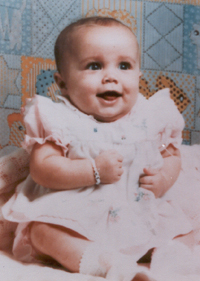
We dedicate
our work and project in the loving memory of Layla Reiter Scott,
and all of the babies who have died from SIDS.
For more information about SIDS or to make a Donation please
contact: GAYLA REITER [email protected]
P.O. Box 2314
Benicia, 94510
707-745-0105






 In the United States,
SIDS takes the lives of thousands of babies every year.
In the United States,
SIDS takes the lives of thousands of babies every year. Important
facts about SIDS.
Important
facts about SIDS.