
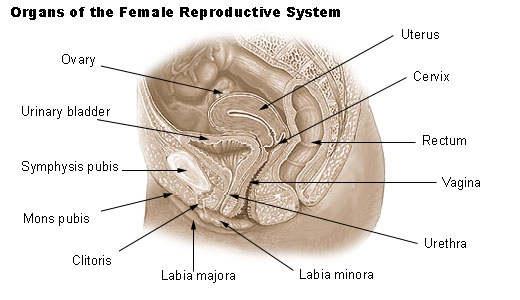
Asexual reproduction
single individual produces genetically identical offspring
1)binary fission: bacteria
2)budding
3)fragmentation
4)regeneration
Sexual reproduction Fertilization
Characteristics: Fusing of 2 haploids gametes
1)Offspring are not identical to parents
2)Increases variation
3)Hermaphoditism: one individual m/f
4)Parthenogenesis: unfertilized
-egg can develop (ants, bees)
External
eggs + sperm released into aquatic environment
-R selected (rapid growth)
Internal
sperm is deposited into female reproductive tract as close to egg as possible.
-Capulation: sexual intercourse
-K selected (care)
Oviparity Viviparity
Development of embreyo occurs externally (eggs) Young develop in uterus
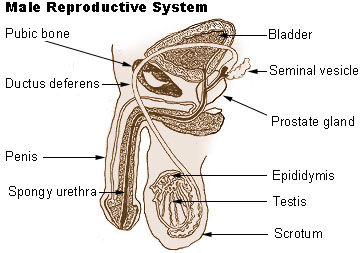
Penis: copulate organe, contains urethra
Testes: site of spermatogenesis (meiosis)
Epididymis: stores sperm
Vas Deferns: transports sperm from epid.
to urethra.
Prostates Gland: increase pH to activate, protect form uterus acid
Spermatic chords: from testes to eidinomous
Semen: sperma nd all fluids together ejaculatery fluids
Bulbourethral gland (sowper's gland): adds mucous to lubricate
Urthra: carries sperm and urine out of body
Erectile tissue: allows for penis to enlarge.
Seminal vessicles: 60% semen volume, proteins, nutriets, sugars
Seminiferous tubules: tubes that produce sperm
Spermatogenesis: male meiosis
Ejaculation: muscular controotiens (oragasm) cause release of semen
Sperm: male gametes


