  Weather and climateKWG Measurements and weather forecasts are provided by the Kununglik Wedarkunstig Ganautskap (Royal Meteorological Society), often abbreviated to KWG. This society has multiple weather stations spread throughout the country. The most important KWG weather station lies in Mihstskog. Climate During the Würm Ice Age from 70.000 to 10.000 years ago Friland was covered with ice. Due to exposion to the front systems the archipelago these days has a very unsettled sea climate with lots of rain on the windward side of the Langfergun. This mountain range plays an important role in Frilands weather because it blocks the biggest extremes of the ocean and therefore allows less rain and a better climate with lots of green on the lee side. Due to the warm Gulf Stream the winters in the coastal areas are usually mild, even though this also results in less food rich fishing water. Only the shallow, cooler waters in the north contain plenty of fish. In winter the waterways between the islands can sometimes partially freeze, especially during cold winters this can make harbours unreachable and trap ships in the Innansai because the entrances are frozen. 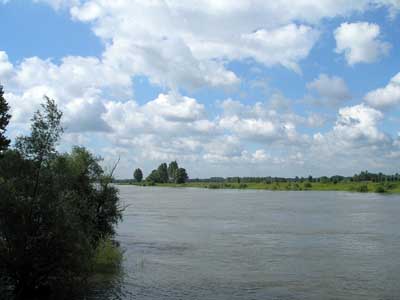 Clouds above the Aigar near Langfurd Research Friland is one of the leading countries when it comes to ocean research. Humanity knows more about the surface of planet Mars than about the ocean's bottom, which makes it practically impossible to oversee the consequences of over fishing and dumping waste. The Frilandic scientists Arnhild Godmansduhter and Kunhar Alwinssun made international headlines in 1993 when they descended 9.640 meters (31.627 feet) into the Mariana Trench during a deep sea research. While doing this they saw an unknown, transparent sea serpent. Friland also has polar stations: Þurisjek on Greenland and Waldrikshaim and Haslegar in the Antarctic. More information about these can be found here.  |