Intro.
Garnet received its name from the Latin word for pomegranate, "granatum", because the crystals embedded in it's matrix rock reminds of pomegranate seeds. This is called 'Sung-rew-suk' in Korea which means that the stone which resembles pomegranate.
Rather than a single gemstone, garnet is a family of related minerals.
Garnet occurs naturally in a large range of colours including: red, orange, brown, and also stunning shades of green, yellow, and gold.
Most of the names for garnets relate to a particular color. For example, there's Rhodolite Garnet, and the word Rhodolite comes from the Greek word "rhodon" meaning rose.
It has a pink or violetish-red hue like a glass of rose wine.
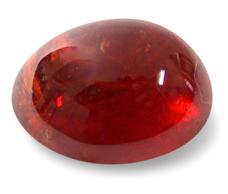
The popular understanding of garnet is as a dark red(deep red-brown) stone.
All colors of garnet are the January birthstone.
Legends & Lore
The Persians considered garnet as a royal stone.
Primitive cultures belived that garnets could be used to stop bleeding and cure inflammation.
Asian and North American tribes used garnets as bullets, believing the stone would inflict fatal wound.
Legend has it, that Noah hung a large garnet in the ark for illumination.
The garnet was believed to protect from nightmares and give guidance at night.
The Crusaders used them as protection against wounds and accidents during their journeys.
They believed that it has powers of healing, protection, and strength.
It is also believed to regulate the heart and blood flow, aid in curing depression and protect from nightmares.
Meanings & Symbol
In the past, garnets were exchanged between friends to symbolize their affection, and to ensure them to meet again.
According to the Egyptians, Garnet is a symbol of faith, consistency, truth, and friendship.
Today, it is a symbol for guidance and constancy, a light heart, loyalty and enduring affections.
|